Osaka’s leg injury derails Japan Open run

Under the lights of her hometown tournament, Naomi Osaka’s hard-court revival stumbles on a nagging left leg issue, handing a semifinal spot to Jaqueline Cristian and prompting questions about her physical resilience.
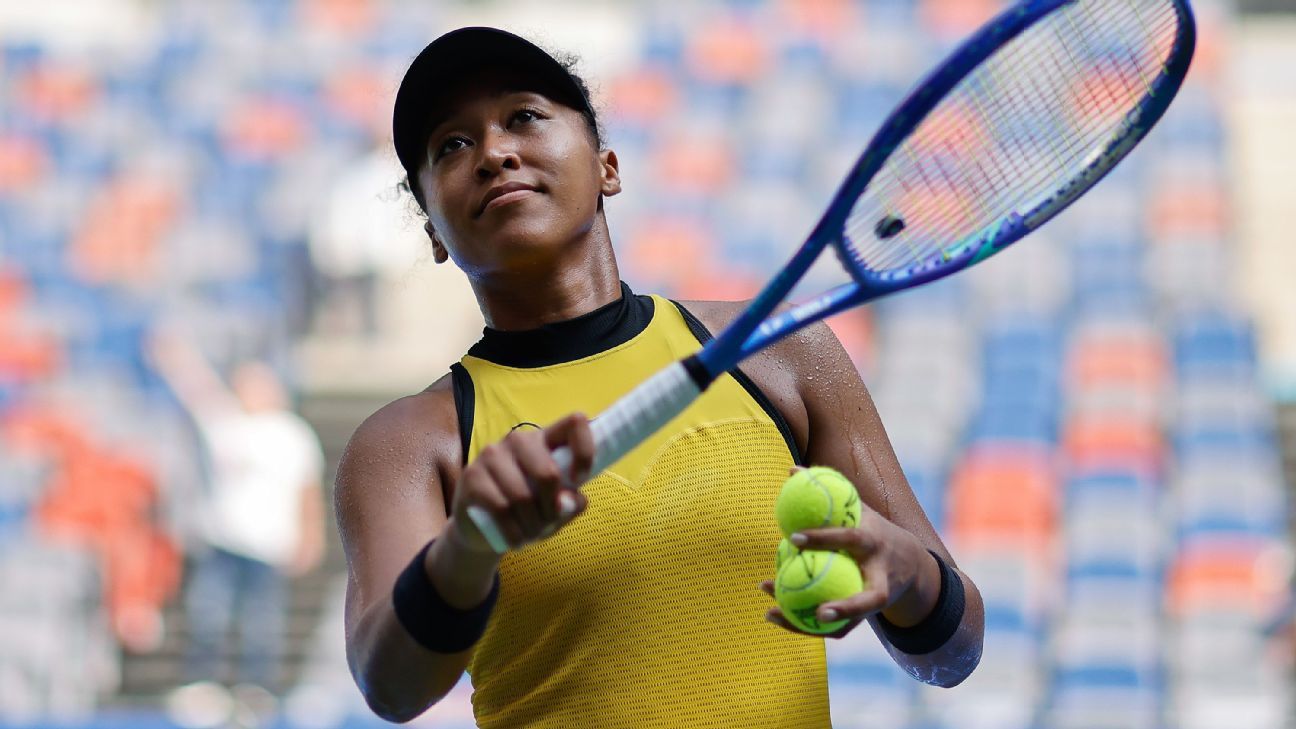
In the humid embrace of Osaka’s courts, where the air carries echoes of her past triumphs, Naomi Osaka’s push for consistency met a sharp reversal on Friday. The four-time major champion, chasing rhythm on a surface that once amplified her power, withdrew from her quarterfinal at the Japan Open due to a left leg injury that lingered from her previous match. This abrupt exit not only silenced the home crowd’s anticipation but reshaped the draw, amplifying the mental strain of her ongoing return.
Injury flares during decisive rally
The setback emerged late in Osaka’s second-round encounter with 2024 champion Suzan Lamens, following a straightforward win over Wakana Sonobe in the opener. After splitting the first two sets, she dominated with a 5-0 lead in the third, her deep groundstrokes forcing Lamens into defensive crosscourt loops. But in a prolonged rally, Osaka hesitated mid-stride, her left leg buckling slightly as Lamens’ backhand veered wide, clinching the point yet exposing vulnerability.
Tournament organizers explained that the issue persisted despite treatment, limiting her explosive movement essential for hard-court battles. She called for a medical timeout, returned with her thigh heavily taped, and adapted by shortening points with more underspin backhands to avoid lateral shifts. Though her strides lacked their usual fluidity, she closed out the match on her third match point, a testament to grit amid compromised tactics.
Cristian’s advancement eases hard-court test
Osaka‘s withdrawal propelled Jaqueline Cristian into the semifinals via walkover, as confirmed by the WTA Tour, marking the Romanian’s third last-four berth this year and her first on a non-clay surface. Cristian, known for her steady topspin from the baseline, dodged a formidable challenge; Osaka’s inside-out forehands often dismantle such patterns, turning rallies into one–two combinations of power and placement. Now, she enters the semis with fresher legs, potentially facing opponents who favor variety over outright pace.
This development highlights the tournament’s shifting tempo, where hard courts reward quick adjustments and punish any hesitation. For Osaka, the injury compounds recent frustrations, including second-round losses at the China Open in late September and the Wuhan Open last week, each exposing how mobility lapses disrupt her first-strike dominance. Organizers voiced optimism for her recovery, but the timing, amid rising end-of-season pressure, underscores the need for strategic tweaks like incorporating more down-the-line serves to preserve her body’s limits.
Fernandez outmaneuvers in parallel quarterfinal
Amid the day’s developments, 2021 US Open finalist Leylah Fernandez secured her semifinal spot with a composed 7-6 (2), 6-3 victory over Rebecca Šramková, blending tactical depth to counter the Slovak’s aggressive returns. Fernandez disrupted rhythm with slice backhands that skidded low on the hard surface, drawing Šramková forward before firing inside-in forehands for winners. The crowd’s energy built with each momentum swing, her poise turning potential tiebreak chaos into controlled baseline exchanges.
This win positions Fernandez as a resilient force in the draw, her ability to mix crosscourt lobs with penetrating groundstrokes thriving in the humid conditions. As Osaka steps away to rehabilitate, the Japan Open’s narrative pivots toward players like Fernandez and Cristian, who capitalize on openings born from misfortune. For the former world No. 1, the path forward demands not just physical mending but a recalibrated approach, ensuring her signature power endures the tour’s relentless demands.