Nadal’s Hand Surgery Signals Retirement’s Hidden Toll

Months after hanging up his racket, Rafael Nadal confronts a persistent right-hand injury with surgery, a move that peels back the layers of a career built on left-handed grit and unyielding physical demands.
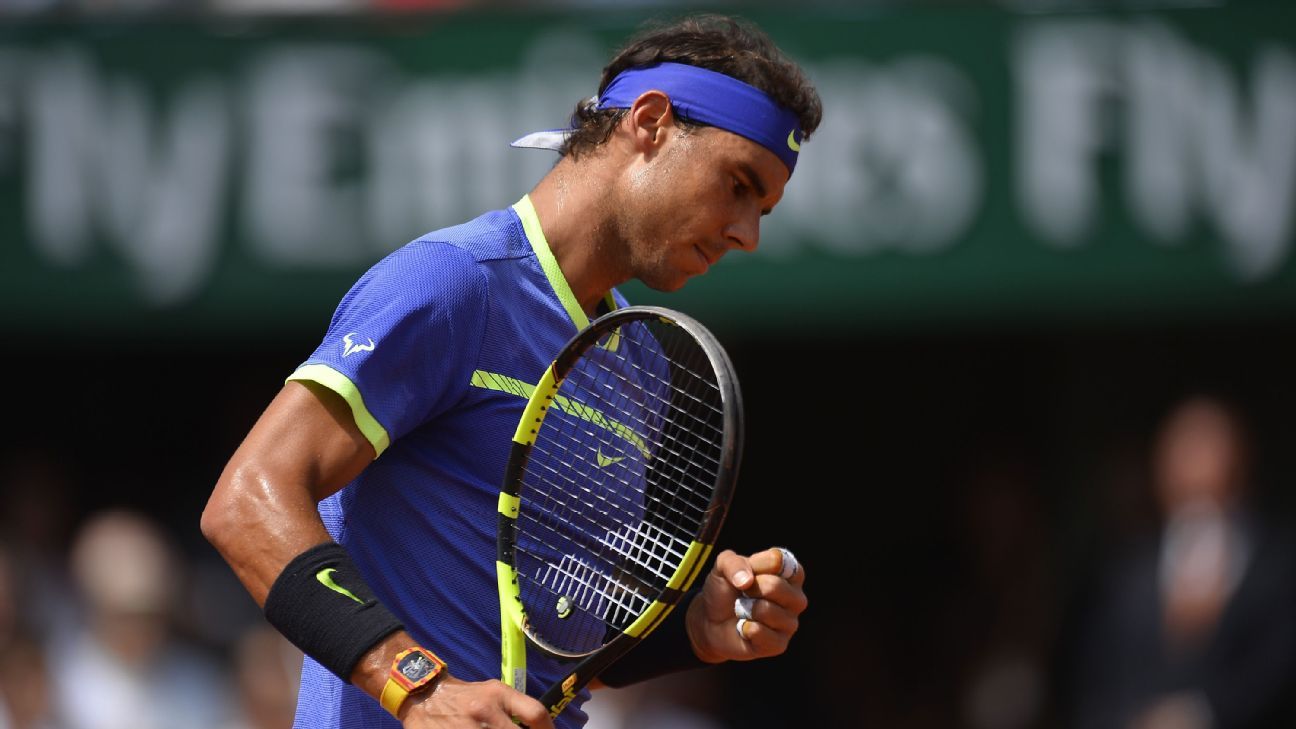
In Barcelona’s hushed medical suites, Rafael Nadal confronts the lingering scars of a lifetime on court. The 22-time Grand Slam champion, whose left-handed forehands terrorized baselines from clay to hard courts, underwent surgery on his right hand to ease chronic pain and reclaim mobility. At 39, just a year into retirement, this procedure at the base of his thumb joint reveals how the game’s relentless grip exacts its price long after the final point.
Pain’s quiet persistence beyond the baseline
Nadal Rafael Nadal shared the news on social media, posting a photo of his bandaged arm in a sling. He said in an X post the discomfort had plagued him for years, a silent companion through triumphs and setbacks. His representative explained the operation’s aim: to relieve that nagging ache and restore fluid movement in a hand that supported every serve toss and racket frame, even if it never fired the signature shots.
I had been dealing with the issue “for a long time.”
Retirement in November 2024 offered no instant reprieve; the body’s ledger demanded settling. On courts where he unleashed heavy topspin to pin opponents deep, the right hand’s subtle role—steadying the toss for a 1–2 punch or gripping during crosscourt retrievals—had worn thin over decades. Now, free from match pressure, he addresses what clay’s drag and hard courts’ bounce had quietly eroded.
Humor masks the weight of absence
Amid the sling’s confines, Nadal quipped he “won’t be able to play the Australian Open,” a wry nod to Melbourne’s hard-court crucible where his inside-out forehands once sliced through defenses under relentless sun. The jest lands with the rhythm of a player still synced to the tour’s pulse, even as 2026’s first major unfolds without him. It evokes the psychological tether: the crowd’s roar, the baseline grind, now replaced by recovery’s steady tempo.
won’t be able to play the Australian Open
In May, during a Paris ceremony honoring his record 14 French Open titles, he admitted avoiding the racket for six months after his last match—a Davis Cup loss for Spain 13 months earlier. That deliberate break signaled a mental shift from the one–two patterns that won majors to life’s off-court cadence. Yet the hand’s protest lingered, turning casual swings into reminders of tactical adaptations born from pain, like favoring down-the-line backhands to ease grip strain on faster surfaces.
Academy rallies hint at ongoing pull
Last month, video surfaced of him trading shots with pro player Alexandra Eala at his Mallorca academy, the island’s breezy courts framing tentative rallies. Her rising game met his measured strokes, the right hand gingerly supporting as underspin slices skimmed the net. These moments capture the emotional pivot: from grinding through injuries at Roland Garros to mentoring without the throb that once forced mid-rally adjustments, like shortening points to protect a faltering hold.
The surgery, performed at a private clinic in Barcelona, arrives as Nadal reshapes his post-career world. No longer chasing Grand Slams, he eyes a future where academy lessons flow unhindered—teaching young players to blend lefty power with right-hand stability for sustainable rallies. As recovery unfolds through 2025’s quiet months, this step promises not just physical ease, but a deeper freedom to influence tennis’s next generation from the sidelines.