Nadal Heads Back to Jeddah to Spark Next Gen Fire

Rafael Nadal’s return to Jeddah for the Next Gen ATP Finals blends his ambassador role with a drive to mentor rising talents, as Saudi Arabia’s tennis scene gains momentum on the cusp of 2026.
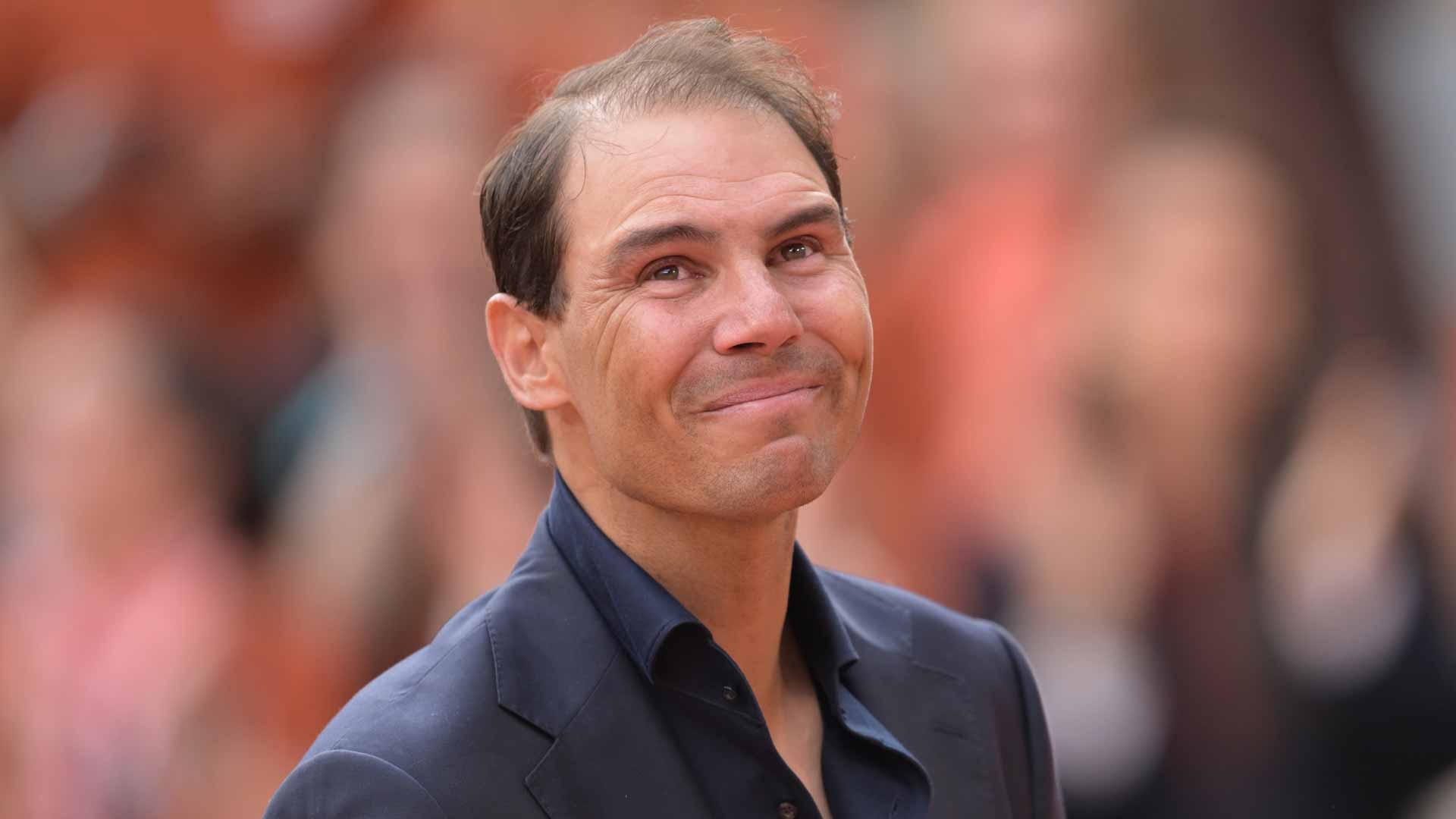
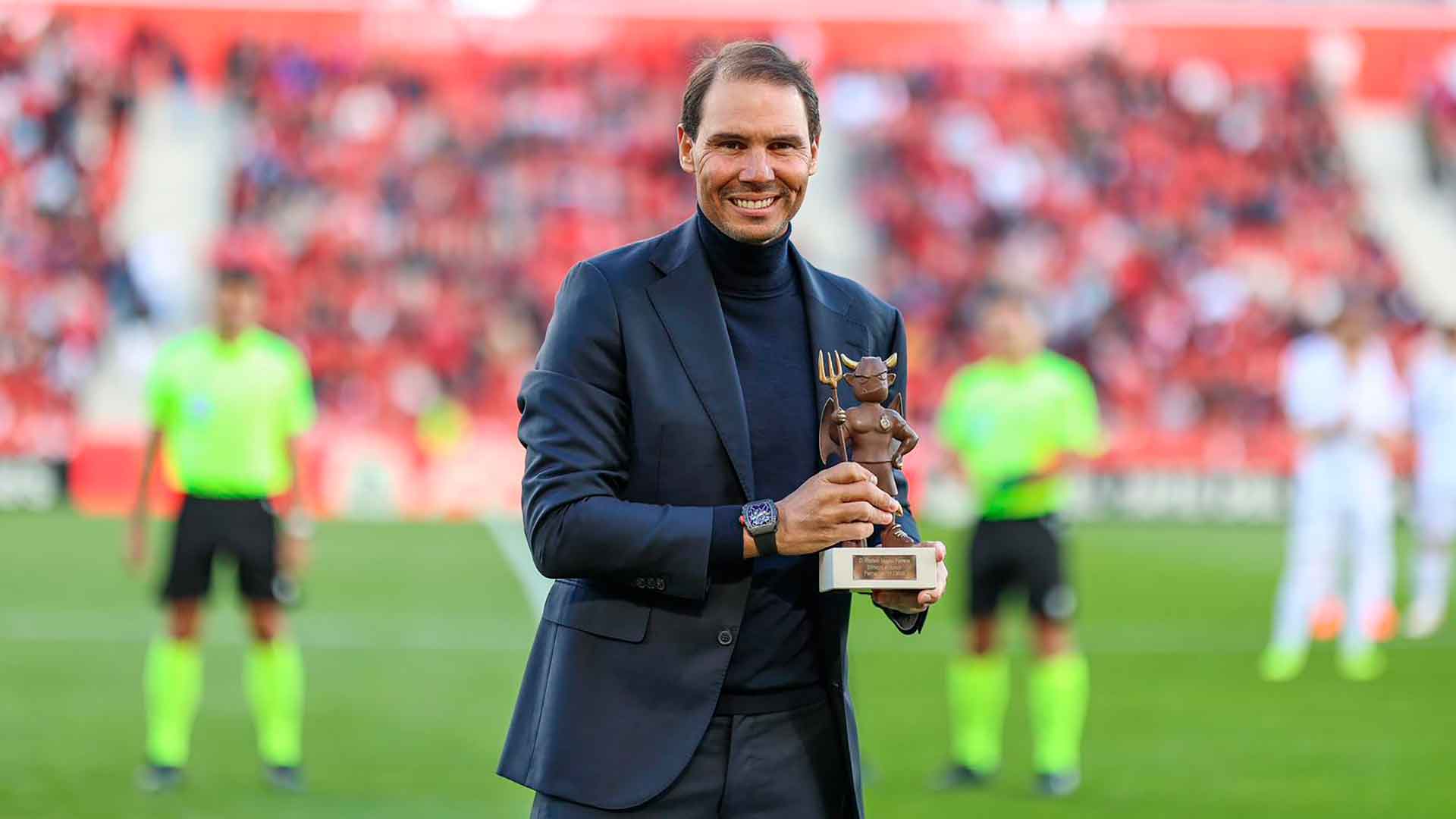
Rafael Nadal‘s boots touch down in Jeddah again, the desert air thick with the promise of fresh rallies. The Next Gen ATP Finals presented by PIF ignite from December 17 to 21, pulling the Spanish icon into a whirlwind of events designed to bridge eras. As ambassador for the Saudi Tennis Federation, he arrives not to chase points but to stoke the fire in players still honing their inside-out forehands and down-the-line returns.
His schedule kicks off with a meet-and-greet at King Abdullah Sports City’s fan zone on December 19, where the crowd’s hum will echo last year’s electric exchanges. Nadal’s visits here have always carried weight, turning casual chats into tactical blueprints for handling pressure-packed tiebreaks. The Kingdom’s courts buzz with progress, from junior clinics to pro-level buzz, and his presence sharpens that edge.
“Coming back to Jeddah for the Next Gen ATP Finals is something I am looking forward to,” Nadal said in a press release. “I’ve been given the warmest of welcomes in Saudi Arabia and I feel there is a real energy for tennis. “As I have been saying, it’s my goal to help inspire the next generation, in Saudi Arabia and around the world. Working together with the STF [Saudi Tennis Federation] to develop the huge potential of tennis in the Kingdom that has already made impressive progress is one key element. The reason for me to come back is to see the development at all levels and to help towards that goal. I’m very proud to help more kids pick up a racquet, compete, or simply discover something new that they love.”
Mentorship turns pressure into purpose
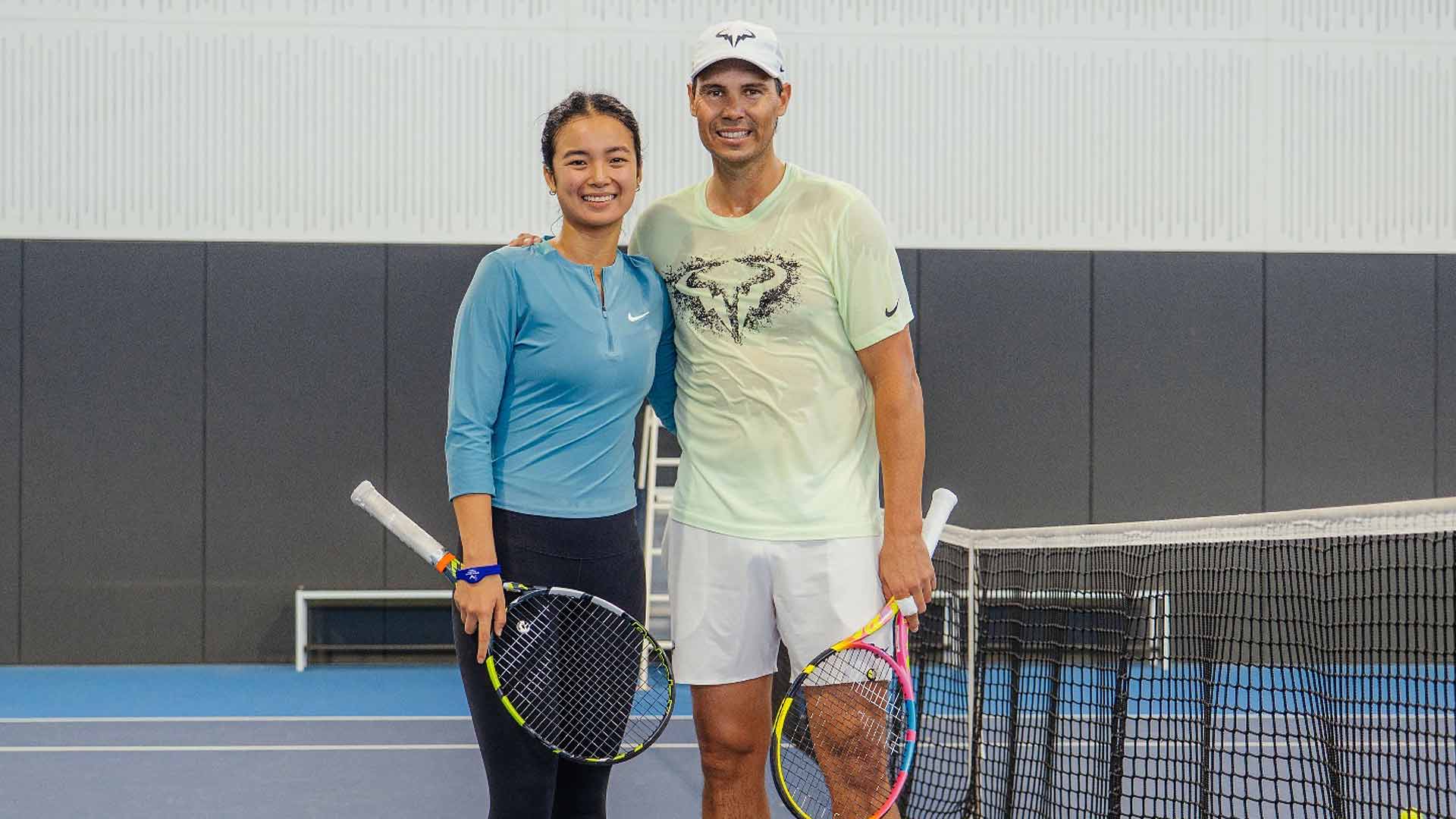
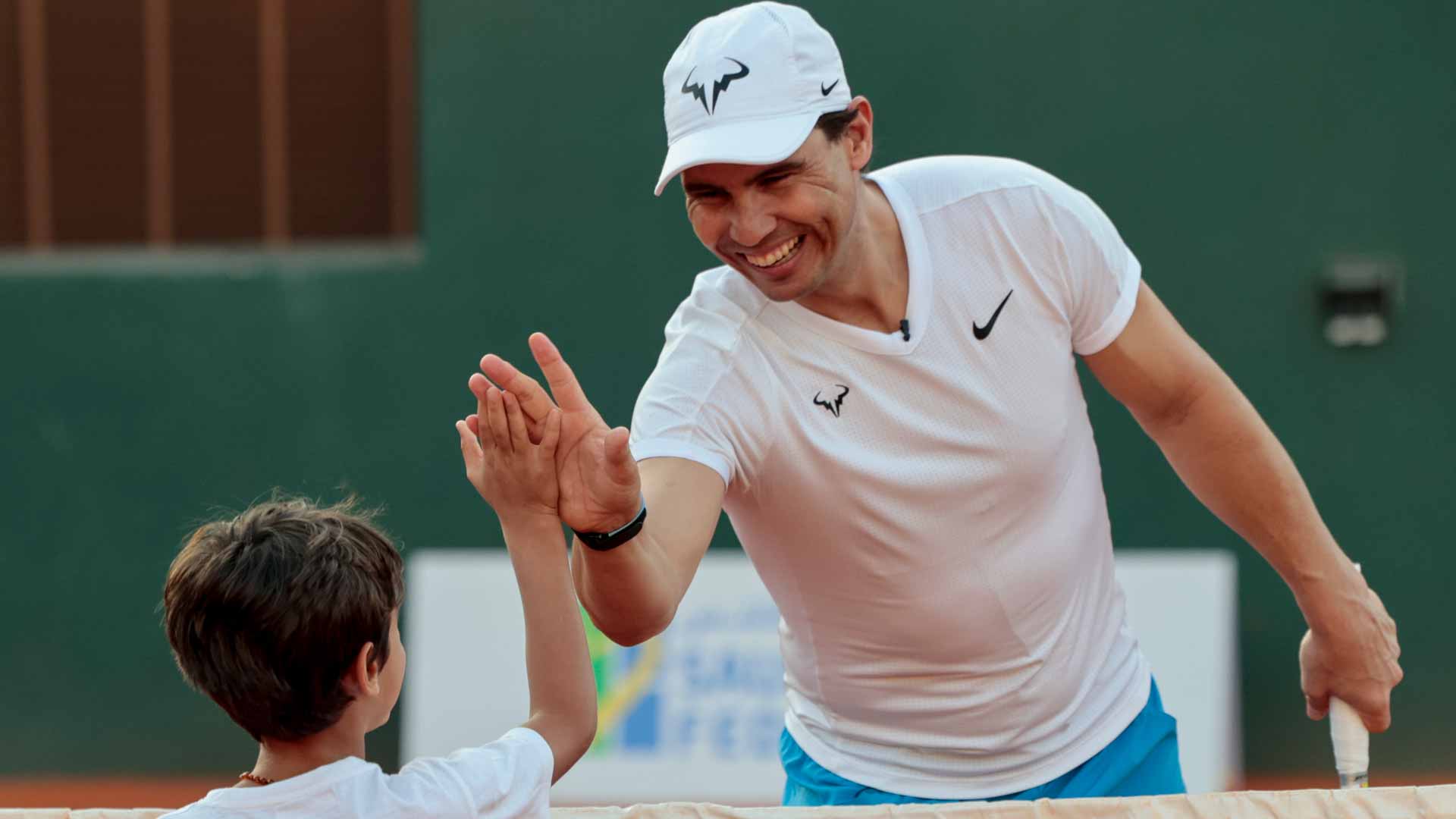
Last year’s Jeddah stint unfolded like a well-orchestrated one–two: Nadal hosted a meet-and-greet, handed out prizes at an under-14 Saudi Tennis Federation tournament, and guided a clay-court clinic at The Racquet Space. Those sessions peeled back the layers of elite play, showing how a deep underspin approach shot can disrupt an opponent’s rhythm on faster surfaces. For him, after seasons defined by injury battles and comeback surges, these moments replace solitary grind with collaborative sparks, easing the mental load of constant adaptation.
He swung by the Onyx Arena to connect with athletes in Saudi Arabia’s first wheelchair tennis event, where quick lateral shifts mirror the precision needed in any high-stakes rally. Chats with Team Saudi’s Davis Cup players wove in national fervor, much like his own quests for Spain in packed arenas. This year, lighter on the comeback front, Nadal steps in ready to absorb the energy, his insights on varying spin to counter aggressive returns landing with fresh resonance.
Roundtable fuels tactical breakthroughs
The roundtable from last December crackled with raw ambition, as Nadal traded notes with ATP Tour stars Jakub Mensik, Alex Michelsen, and Joao Fonseca—the Brazilian who seized the 20-and-under crown through sharp crosscourt winners. Discussions zeroed in on surface tweaks, like flattening heavy topspin for indoor hard courts where low bounces punish overhitting. For these prospects, his breakdowns of reading an opponent’s 1–2 pattern turned abstract nerves into actionable edges, the room alive with the tempo of shared breakthroughs.
That exchange’s momentum carries forward, promising more unscripted dialogues amid the tournament’s pulse. Nadal’s approach—probing how to loop forehands high against net rushers—highlights the psychological pivot from doubt to dominance. In Jeddah’s vibrant atmosphere, where chants build like rising tension in a fifth set, these talks forge connections that outlast the final ball.
Young field tests indoor adjustments
This year’s lineup throbs with potential, led by last year’s finalist Learner Tien alongside Alexander Blockx, Dino Prizmic, Martin Landaluce, Nicolai Budkov Kjaer, Nishesh Basavareddy, Rafael Jodar, and Justin Engel. These under-21s face the indoor hard’s demands, where big serves invite inside-in returns and quick points reward those who mix underspin slices with flat backhands. Watching them, Nadal spots echoes of his early days, the need to adjust angles against low-bouncing balls sharpening their games.
His role lets him orbit the action, perhaps advising on deep lobs to reset aggressive baselines or drop shots to exploit rushed approaches. Saudi Arabia’s tennis surge—from grassroots rackets to this global stage—gains from his quiet authority, blending inspiration with practical tweaks. As the finals unfold, expect Nadal’s shadow to nudge these talents toward resilient patterns, scripting the sport’s next chapter under Jeddah’s lights.