Maaya Revathi’s Mumbai Loss Fuels Quiet Resolve

A year after her breakthrough semifinal, the 16-year-old Indian talent exits early at the Mumbai Open but uncovers layers of growth in body, mind, and game amid the tour’s relentless demands.
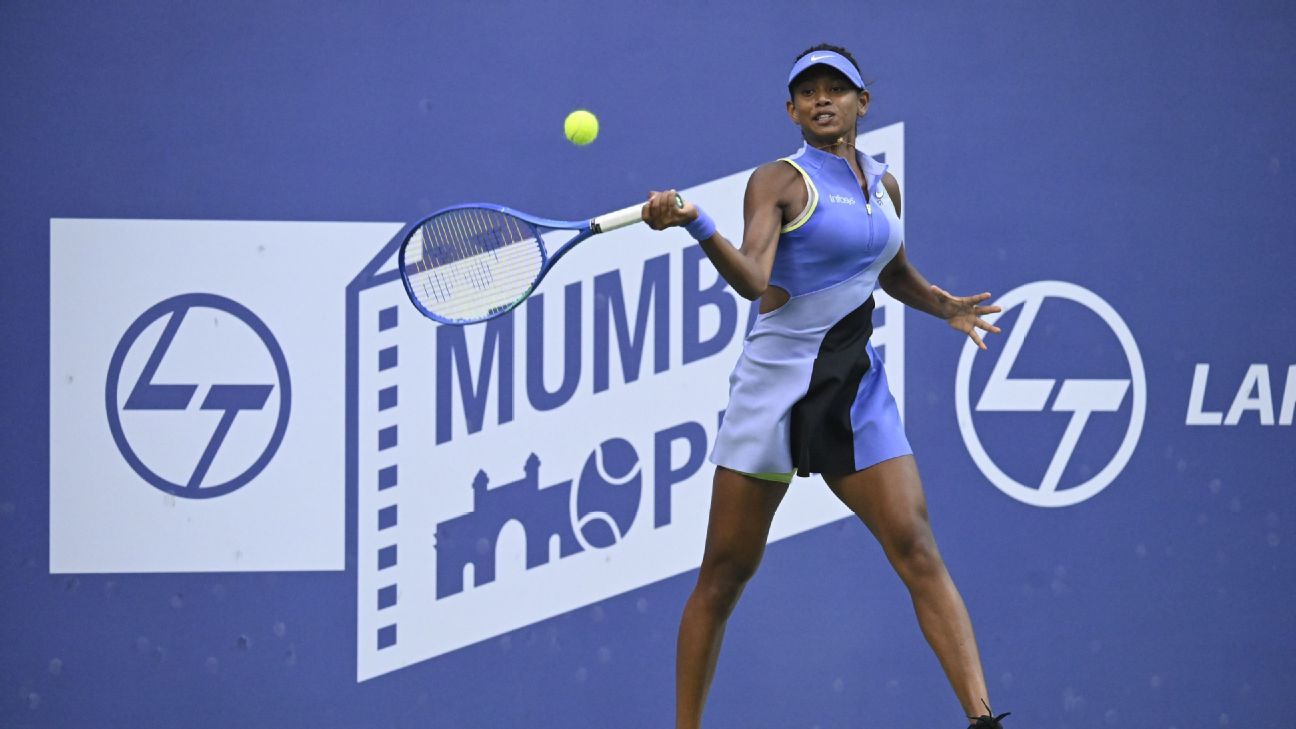
In the sticky heat of Mumbai’s Krishna Menon Tennis Centre, Maaya Rajeshwaran Revathi stepped back onto the court that launched her pro dreams a year ago. Now 16, she carried a sharper edge—taller frame packed with gym-earned muscle, fresh Nike kit from her Australian Open run, and a coach from the Rafa Nadal Academy at her side. But against Thailand’s fifth seed Lanlana Tararudee, the magic faded fast in a 3–6, 2–6 defeat, leaving the junior ranked 56 to sift through the rubble for progress amid the crowd’s murmurs.
Maaya’s aggressive baseline game, fueled by heavy topspin forehands, clashed with Tararudee’s unyielding retrievals on the outdoor hard courts. She chased every crosscourt reply, her inside-out attempts pulling wide but rarely finishing points cleanly. The loss stung after last year’s semifinal surge that delivered her first WTA points, yet she emerged courtside with a maturity that belied her age, eyes already scanning for adjustments.
“Lots of lessons learned in terms of what I’ve been working on recently. To be honest, I wasn’t very happy with the way I was playing in November-December. But I think I started pretty well here, looking at progress and things that I’ve been working on, I do see a bit of improvement,” Maaya said after the match.
That reflection captured the season’s undercurrents, from late-2025 slumps to glimmers of revival. Tararudee’s style—no freebies, just endless running—mirrored the pro tour’s demands, forcing Maaya to confront her reliance on quick 1–2 patterns. In patches, her serve held deeper, buying time for down-the-line backhands, but unforced errors in prolonged rallies betrayed the work still ahead.
Strengthening core for aggressive play
A year prior, at 15, Maaya’s preparation skimped on physical conditioning; gym sessions were brief, her slight build no match for drawn-out exchanges. Now, hours in the weight room have sculpted her legs and upper body, channeling the Nadal Academy’s intensity despite visa delays that shortened her Spanish immersion. This evolution shows in her movement—quicker slides on Mumbai’s hard courts, absorbing pace to redirect with inside-in forehands that pin opponents back.
Coach Polina Radeva tempers the gains, pushing for more without risking bulk that slows her natural speed. Surrounded by touring pros and occasional oversight from Rafa or Toni Nadal, Maaya absorbs elite habits, blending clay-honed footwork with hard-court power. Her height spurt aids high-bouncing balls, but it’s the added torque that could unlock varied spins, like underspin slices to disrupt flat hitters like Tararudee.
“We don’t build a lot of mass at the moment obviously, but it’s one of the biggest objectives that we have for Maaya, because she’s a very aggressive player and to maintain that style, she needs to gain more strength, both in the legs and the upper body as well. Right now, we’re competing a lot, but hopefully when we get the chance to have a proper training block, we could focus on those things,” Radeva explained.
This targeted build addresses vulnerabilities exposed 10 days earlier in Melbourne, where early exits highlighted the tour’s physical grind. With a packed schedule eyeing Pune’s ITF next week, the focus sharpens her one–two punch—serve into a deep forehand approach—against retrievers who turn defense into counterpunches. Radeva’s guidance ensures the changes sustain her fighter’s instinct without burnout, positioning her for deeper runs on surfaces that reward penetration over persistence.
Weathering the mental tempests
Maaya’s voice cracked with a sigh too heavy for 16 when she unpacked 2025’s chaos—a whirlwind of junior Grand Slam disappointments clashing with pro-level highs. The overwhelm hit hard, transforming a pragmatic teen into one grappling with isolation on the road. Early losses bred a three-month fog of avoidance, confidence shattered until her circle pulled her back with reminders of past triumphs.
Against Tararudee, that inner turmoil surfaced in hesitant net approaches, volleys floating long under pressure. Yet mid-match, she mixed crosscourt angles to stretch the court, a sign of growing tactical awareness amid emotional strain. Her junior ranking at 56 reflects the highs, but the lows—from November’s dissatisfaction to this Mumbai stumble—forge resilience, turning reactive frustration into proactive shifts.
“The last year was a huge roller coaster for me,” she smiled. “There were moments where I was a bit overwhelmed because, as a 16-year-old, to be honest, I didn’t expect an athlete’s life to be too much like this, you know? I had good ups and then I hit the rock bottom a lot of times, which was tough to accept.”
Radeva values this introspection, watching Maaya dissect errors on court rather than dwell in defeat. The coach quips about her strength gaps to keep hunger alive, but praises the mental pivot: thinking through mistakes builds the edge needed for top-50 junior contention. As wildcards beckon for home events, these tempests teach point construction—varying serves to open angles, following with slice backhands that force errors from patient foes.
“I had a period of three months in between where I felt like I was not doing well... I was not calling anyone, I lost my confidence. But there were so many people around me who helped me. I am very lucky and very grateful that there were so many people who were pushing me, saying you’ve done it before, you can still do it again. Without the people around me, it would have been very difficult.”
Maaya frames her current state as a shell waiting to crack, one more matches and experience will shatter. This vulnerability, raw after Tararudee’s low-error game, underscores her growth—learning to run down shots without free finishes, adding volleys to finish at net. The Nadal Academy’s pro aura accelerates it, instilling discipline to handle scrutiny and travel’s toll.
Adding layers to conquer defenses
Tararudee’s flat groundstrokes and patient returns demanded Maaya evolve beyond aggression, constructing points with spin variation on Mumbai’s skidding hard courts. She’s unaccustomed to such walls, where every inside-out forehand meets a redirected crosscourt, stretching rallies into endurance tests. Post-match, she pinpointed the gap: needing weapons to break through, like sharper second serves or underspin lobs that disrupt rhythm.
“I’m not used to playing someone like Lanlana today. She’s not someone who’s going to give me opportunities to finish the point, I have to run down every shot. But at the higher level, players are not going to give you those points. So, I think this was a step where I could learn about finding more weapons to beat them, to add more weapons to my game.”
Her team’s strategy aligns with this, prioritizing training blocks to refine patterns against retrievers—deep serves setting up down-the-line forehands, mixed with slice approaches to draw short balls. The 2025 junior Slams loomed large as goals, their early setbacks fueling a drive for efficiency over power alone. Radeva sees the promise in Maaya’s on-court problem-solving, a skill honed through the year’s circuitous path.
As Pune approaches, this loss recalibrates her arsenal, blending physical gains with mental fortitude. Maaya’s natural talent, amplified by a supportive circle, hints at breakthroughs beyond WTA 125Ks—perhaps cracking senior ITF fields with a game that dictates rather than chases. In the quiet aftermath of Mumbai’s courts, her resolve hardens, the shell thinning with each hard-fought point ahead. For more on her journey, see the full story at ESPN Tennis.