Kokkinakis’s Shoulder Derails Adelaide Return

Thanasi Kokkinakis’s gritty comeback at the Adelaide International crumbles under a familiar shoulder ache, handing Valentin Vacherot a free pass and stirring doubts just weeks from the Australian Open.
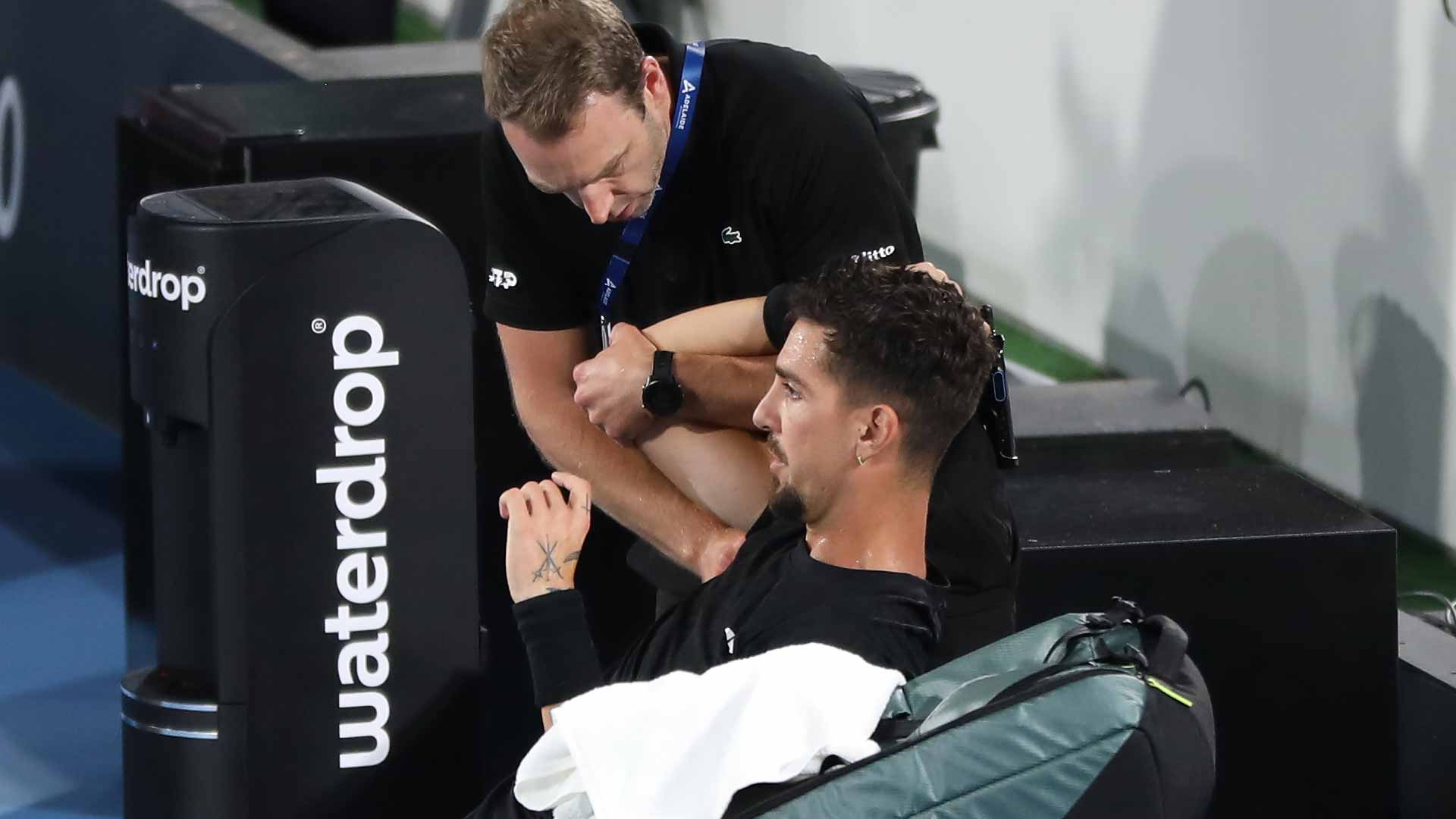
In the sweltering Adelaide heat, Thanasi Kokkinakis‘s first singles match in nearly 12 months ended with a hard-earned win over Sebastian Korda, but the cost lingered in every swing. The Australian, fresh off pectoral surgery last February, taped his right shoulder through the final-set tie-break, his crosscourt forehands landing with the old fire yet pulling grimaces from his face. By Wednesday, that same shoulder forced his withdrawal from the Adelaide International, cutting short a campaign meant to rebuild his momentum on home soil.
Kokkinakis had leaned on slice backhands to set up inside-out winners against Korda, conserving energy on the fast hard courts while the crowd urged him on. His serve, though, betrayed the strain—shorter tosses yielding flatter trajectories that invited deeper returns. The victory felt hollow even then, a fleeting high before the pain sharpened overnight.
“it’s tough. Obviously my right arm caused by serving has plagued me my whole career. There’s a lot of what ifs, especially in my mind, if I wasn’t struggling with that. I know little niggles are normal here and there, but I feel like kind of what I’ve gone through is a little bit out of the normal,” Kokkinakis said after his match.
“it’s tough mentally. I spent all year rehabbing, trying to get it right. I had a surgery. It was a slightly different pain to last year. I’ll see how I wake up tomorrow. But, yeah, it’s tough. It puts a dampener on the win for sure.”
Shadows over the comeback trail
The psychological toll hit hardest in those quiet moments after the Korda match, where Kokkinakis confronted the ‘what ifs’ echoing through his rehab year. He had arrived in Adelaide eyeing a deep run to shake off the rust, his heavy topspin forehand slicing through rallies with renewed bite. Yet the shoulder’s betrayal turned celebration into caution, the centre court lights casting long shadows on his resolve as he pondered the road to Melbourne.
This isn’t the first time arm troubles have sidelined him; they’ve woven through his career like persistent crosscourt loops. Against Korda, he shortened points with net rushes to ease the load, but the effort drained him faster than expected. Now, with the Australian Open looming, Kokkinakis must recalibrate, perhaps tweaking his 1–2 pattern to favor flatter serves over the spin that taxes his joint.
Rehab battles resurface sharply
Twelve months of grueling sessions—analyzing toss heights, strengthening rotator cuffs—had prepared Kokkinakis for the physical demands, but not this variant ache. The pain differed from last year’s, sharper during overheads and persistent in groundstroke follows. On Adelaide’s outdoor hard courts, where bounce aids aggressive patterns, the limitation forced defensive shifts, his usual inside-in forehands giving way to safer down-the-line chips.
Mentally, the setback chips at the confidence rebuilt in quiet gym hours, turning every practice into a test of endurance. He spoke of niggles as normal, yet this felt beyond, a reminder that recovery demands more than tape and ice. As he steps away for assessment, the focus narrows to bridging rehab gains with on-court proof, his home tournament now a pivot point rather than a springboard.
Vacherot gains ground unearned
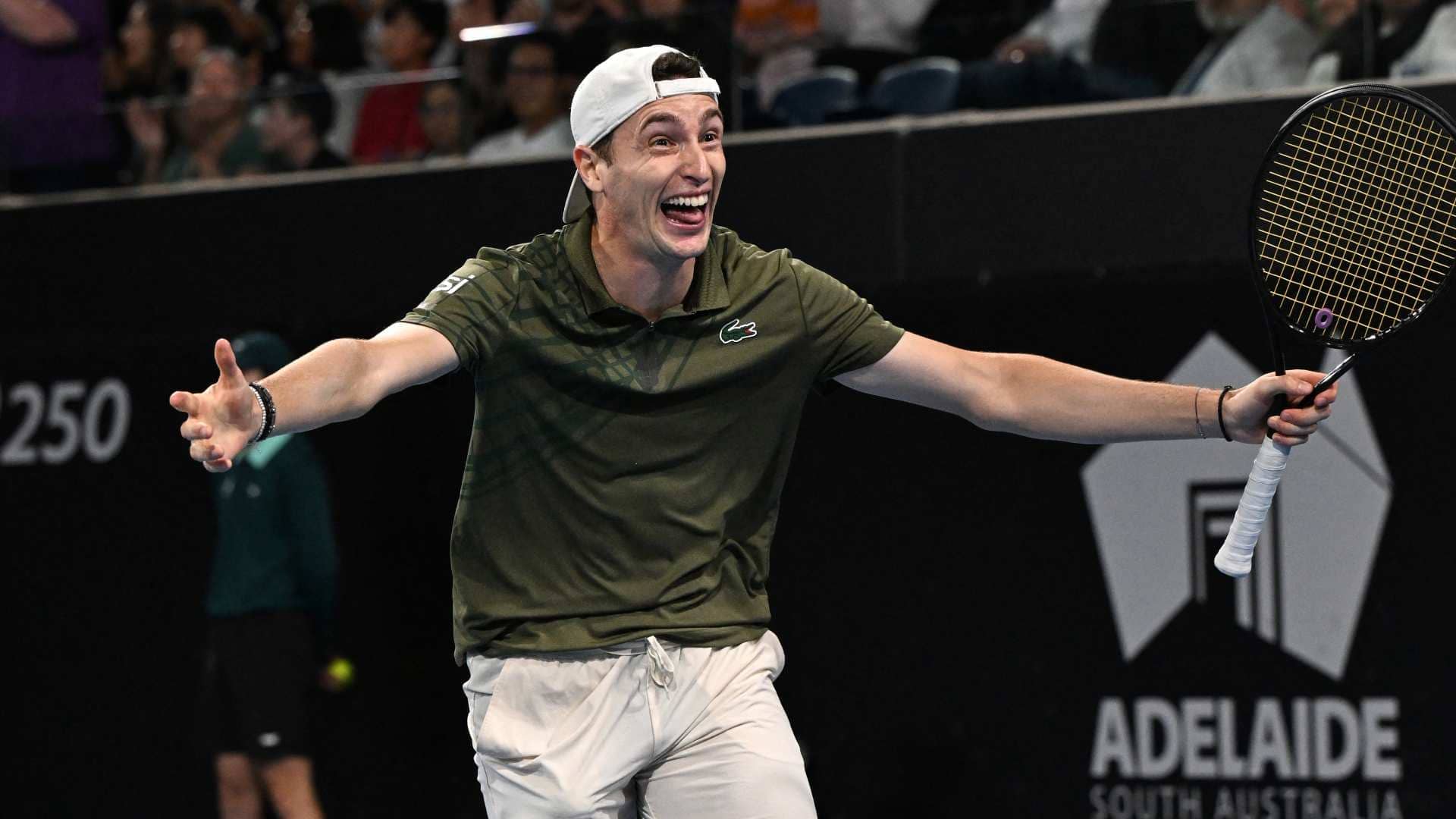
While Kokkinakis retreats, Valentin Vacherot, the 2025 Shanghai champion, slips into the quarterfinals via walkover, preserving his energy for tougher tests. The Monegasque’s flat groundstrokes thrive on these surfaces, and the breather lets him scout his next foe without fatigue. He awaits the winner of top seed Alejandro Davidovich Fokina against Rinky Hijikata, a matchup blending Spanish versatility with Australian tenacity under Wednesday evening lights.
Davidovich Fokina’s explosive inside-in shots could overpower Hijikata’s steady returns and occasional slices, but the local’s net instincts might disrupt the rhythm. For Vacherot, this path eases pressure, allowing a measured build toward semifinals. Adelaide’s draw tightens, the injury ripple underscoring how one player’s absence can accelerate another’s surge, with the tournament’s hard-court pulse beating on toward deeper drama.