Jodar’s Defiant Run Ends Against Sinner’s Steel

On Madrid’s high-flying clay, 19-year-old Rafael Jodar stared down world No. 1 Jannik Sinner, trading fierce rallies that exposed his raw talent and the steep climb ahead in a season thick with promise.

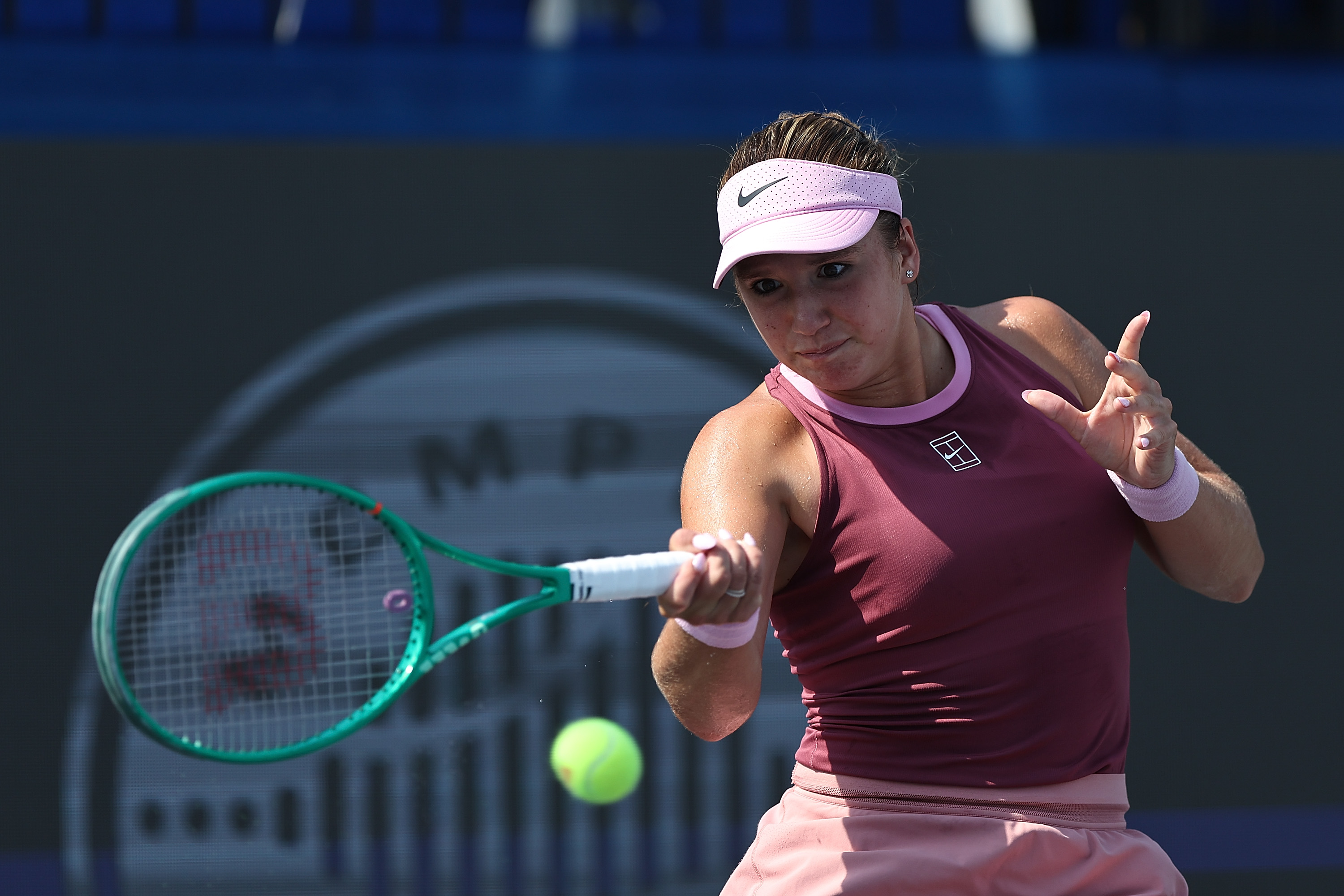
Rafael Jodar stepped into the Manolo Santana Stadium with the weight of a breakout spring on his shoulders. The 19-year-old Spaniard, fresh from his first ATP title in Marrakech and a semifinal push in Barcelona, faced Jannik Sinner in the quarterfinals of the Mutua Madrid Open. Madrid’s altitude sent balls soaring, turning every heavy topspin into a weapon, and Jodar met the challenge with crosscourt forehands that tested the Italian’s footing on the slick red surface.
The match unfolded as a baseline grind, Jodar’s aggressive 1–2 patterns clashing against Sinner’s precise down-the-line returns. He forced seven break points, sliding into position to unleash inside-out backhands that kept sets level through long exchanges. Yet Sinner’s variety—mixing slice approaches with topspin lobs—slipped away those chances, his confidence peaking in the deciders as the crowd’s cheers echoed off the stadium walls.
“It was a tough match,” Jodar said. “Jannik played really well throughout. I take away a lot of positives, I’ve learnt a lot from this match. There were times in which I competed head to head with him. I have a long road ahead to keep proving my level. I will take those positives with me. I’ve played a lot of matches here in Madrid and Barcelona. I’ll try to rest, recover well and think about the next tournaments.”
Facing elite pressure head-on
As the final point dropped, Sinner signed the camera with “What a player!” before telling reporters to give the young Spaniard breathing room amid his rapid rise. Jodar absorbed the gesture, his post-match words steady in the buzzing arena. This clash etched the mental demands of the tour into him, where hometown support amplified every swing but also the sting of falling short.
The defeat came after Jodar’s first Top-10 win over Alex de Minaur, a breakthrough that drew eyes to his clay-court prowess. Against Sinner, though, the Italian’s completeness shone, redirecting pace with inside-in forehands to turn defense into counters. Jodar reflected on those moments, noting how Sinner’s poise in tight spots demanded sharper focus from him next time.
“Jannik is a very complete player and he shows that in the key moments of the match. He knows how to demonstrate a lot of confidence,” said Jodar, who watched Sinner slip from his grasp time and time again. The Italian fought off seven break points on his way to victory. “I had the opportunity to play with him in a match that was equal in many moments. I have to analyse how I played those points and change it next time I play against a player of this level or against him.”
Sinner’s backhand slice pulled Jodar wide, opening the court for passing shots that exploited any lapse in rhythm. The Spaniard countered with deep returns to jam the second serve, but Madrid’s quicker bounce favored the world No. 1’s cleaner striking. In the aftermath, Jodar emphasized handling the hype, his voice calm as he mapped recovery before the next clay stops.
Extracting wisdom from tight battles
Jodar’s campaign through the Caja Magica blended defensive underspin with bold net rushes, tools that nearly unraveled Sinner’s game. The loss highlighted clay’s endurance test, where sustaining intensity over sliding rallies separates contenders from breakthroughs. Now 18th in the PIF ATP Live Race to Turin, he carries this momentum into Rome and Roland Garros, where slower surfaces might amplify his grinding style.
The psychological edge sharpened here—early successes bred belief, but Sinner’s masterclass reminded him of the tour’s unrelenting pace. Jodar plans to refine his serve variation, targeting higher first-strike rates to hold under pressure on high-altitude courts. As the crowd’s energy lingered in his ears, he turned the quarterfinal into fuel, dissecting break-point executions for future duels.
“I agree,” Jodar said, continuing on from the World No. 1. “It’s my first year on Tour, there are a lot of tournaments left this season and many seasons in the future. I have to try to improve and make sure I learn from this. I have to try and handle it in the best way possible. Knowing that everyone plays well, these results don’t make me better than I am. Everyone has the desire to win, I have to keep my feet on the ground and be aware that everyone can beat you.”
Beating Joao Fonseca earlier hinted at rivalries brewing among the next wave. Yet Jodar stays grounded, viewing the match as calibration for majors ahead. His topspin loops, already heavy, need bolder inside-in angles to crack elite defenses more consistently.
Navigating a tour of giants
The circuit bends under the weight of Sinner and Carlos Alcaraz, both carving paths through clay with unmatched consistency. Jodar, qualified for the 2026 PIF ATP Next Gen Accelerator, sees extra matches as a chance to build that same reliability. Talk of a ‘Big 4’ with Fonseca feels distant, but his level-headed take underscores the long view in a sport that rewards patience.
“I don’t think I’ll change, I’ll keep being the same person,” he said of the spotlight’s pull. Reaching quarters in his hometown event pulsed with electric energy, the stadium syncing with his strides. But he knows the road winds on, each tournament a step in negotiating a future bright with possibility.
“Time will tell. Both Carlos and Jannik are great players,” said Jodar. “They have proved they have a great level and consistency in all tournaments. Joao and I are very young, we have to learn and keep improving a lot if we want to reach that level.”
As Rome’s draw looms, Jodar eyes tactical tweaks—more slice to vary attacks, stronger retrievals against lefty spins like Alcaraz’s. The clay odyssey tests spirit as much as strokes, and this Madrid stand tempers him for the surge. In a tour of titans, his ascent feels measured yet inevitable, one resilient rally at a time.