Tennis players wed in the lone post-Wimbledon week

The calendar squeezes weddings into one narrow slot after Wimbledon, forcing players to lock venues and fittings while chasing points across continents and surfaces.
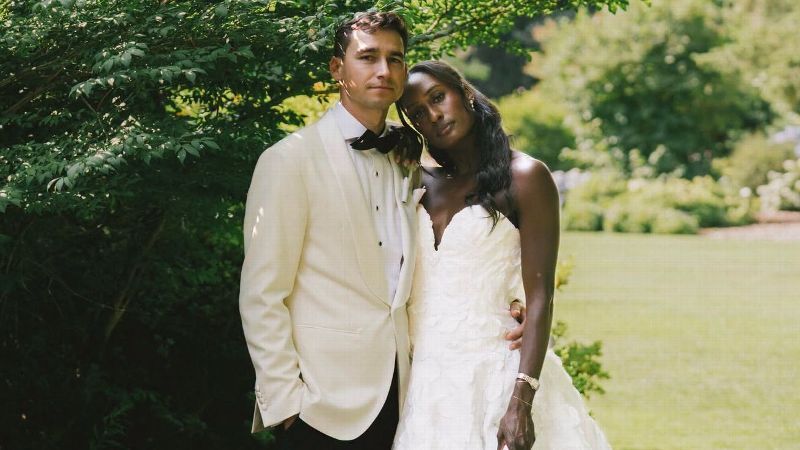
The tennis calendar grants almost no breathing room once the Australian swing opens on January 2, yet last week several players carved out space for weddings in the single week after Wimbledon without surrendering ranking math or surface-specific preparation.
Calendar pressure shapes every choice
Asia Muhammad began scouting venues before the ring arrived because the Vancouver summer slot was fixed. The 35-year-old doubles specialist knew any delay would push the date into the November break or force a clash with the 2026 Australian Open start. Daria Kasatkina opted for a Greek beach setting to keep logistics contained. Tommy Paul and Tereza Mihalikova followed similar logic, choosing dates that aligned with the post-Wimbledon lull rather than fighting the schedule later.
Katie Boulter and Alex de Minaur combined an English registry with a Tuscan reception, compressing two ceremonies into days that would otherwise have been recovery blocks. The 13-time champion Muhammad faced the added layer of family travel from Las Vegas, requiring her to coordinate flights while still competing at the All England Club. Menu tastings happened in February between matches. Dress adjustments were squeezed into the final week after a round-of-16 exit alongside Fanny Stollar.
The 4,700-mile return from London to Vancouver left no margin for error on the 6 a.m. flight that landed the morning of the first fitting. Erin Routliffe and Alexa Guarachi kept the bachelorette details secret until the lake outing, yet locker-room leaks still occurred. Muhammad limited alcohol intake to protect skin hydration ahead of the ceremony, a detail most brides never weigh against match recovery.
Jessica Pegula attended both Paul’s New York event and the Vancouver reception, illustrating how tightly the week’s social calendar overlapped with the tour’s 500-level stop in Washington. The psychological shift from match-point focus to seating charts and back again demands rapid mental resets that few outside the locker room witness. Relief arrives only after the final guest departs. Muhammad walked into the reception space without a final walkthrough, trusting the planner who had reserved details across continents.
Mental load of fittings and flight connections
The moment the doors opened produced an immediate release described as a weight lifting after months of remote decisions. De Minaur told the ATP the entire experience felt like a private movie before the flight to the next event forced everyone back into tournament mode. Muhammad skipped the Mubadala DC Open to absorb the change in status, acknowledging the traditional go-go-go mindset still tugged at her even as she chose rest. The November honeymoon in South Africa now sits after the season’s final push, turning what could have been another rushed trip into a genuine pause.
For players who live the year-round circuit, that single week of personal time remains the rarest luxury the calendar allows. Surface and travel math shape every choice. Muhammad, ranked No. 40 in doubles after a career-high No. 8 peak and holder of 13 WTA titles, handled menu tastings in February while still competing on the US Open hard courts, treating the compressed timeline like an accelerated 1–2 pattern that locked logistics before the grass season even began. The 4,700-mile return from Wimbledon forced Muhammad to drop mixed doubles and monitor her doubles quarter with Fanny Stollar so a potential final would not collide with the first dress fitting.
Losing in the round of 16 freed the Wednesday flight to Las Vegas for hair and nails before the Sunday return for the second fitting. Routliffe and Guarachi kept the bachelorette details secret during locker-room conversations at tournaments, yet the quick turnaround still required Muhammad to limit alcohol to maintain skin hydration ahead of the ceremony. Pegula attended both Paul’s New York wedding and Muhammad’s Vancouver event inside the same week, illustrating how the single free window clusters multiple personal milestones around the same surface-transition period.
Muhammad ultimately skipped the Mubadala DC Open to absorb the week without the traditional go-go-go mindset, preserving freshness for the Canadian Open the following week on home-soil hard courts. De Minaur told the ATP that the two-day honeymoon after Tuscany felt like a brief reset before the flight to Washington, where the group immediately shifted focus back to match preparation on the 500-level surface. The 35-year-old Muhammad, who bought two dresses after an initial purchase failed to match her vision, completed accelerated fittings in the final week and still described the reveal as a relief that lifted months of remote coordination pressure. The same rigid calendar that forced these choices also ensured that roughly ten WTA players could gather in one room, turning the lone available week into both a logistical challenge and an unexpected gathering point before the hard-court swing resumed. Planning slots mirror one-two patterns. Muhammad had already scouted Vancouver botanical gardens before the proposal arrived because the narrow window after the All England Club forced early venue commitments to avoid clashing with the clay-to-grass transition and the subsequent hard-court build-up. She skipped mixed doubles at Wimbledon to secure an earlier flight home, treating the decision like a calculated inside-out adjustment that preserved energy for the reception setup rather than risking a deep doubles run that would have compressed fittings and travel. Paul and the other players who married that same week faced identical constraints, with the 2026 schedule opening January 2 in Australia and running nonstop through Middle East, South American clay, and European grass events that left only the post-Wimbledon gap for traditional-season weddings. We really just didn’t have too many dates to choose from, so that helped. We have a packed schedule, so it ultimately came down to when we had a second for ourselves. That’s how we made all of our decisions. Kasatkina selected a Greek beach setting that aligned with lighter training loads after the grass season, while Mihalikova followed the same narrow calendar lane. Boulter and de Minaur layered an intimate English ceremony before their Tuscany reception, calculating the short hop as a way to manage jet-lag recovery ahead of the hard-court resumption and protect the 500-level points available the following week in Washington.