Timed suspension draws a line for captains: Hewitt sidelined, Australia steadies the playbook

Lleyton Hewitt received a 2-week suspension for making contact with a 60-year-old anti-doping chaperone, running Sept. 25–Oct. 7 and paired with a fine of around $20,000. The window notably avoids Australia’s Davis Cup tie vs Belgium on Sept. 13–14.
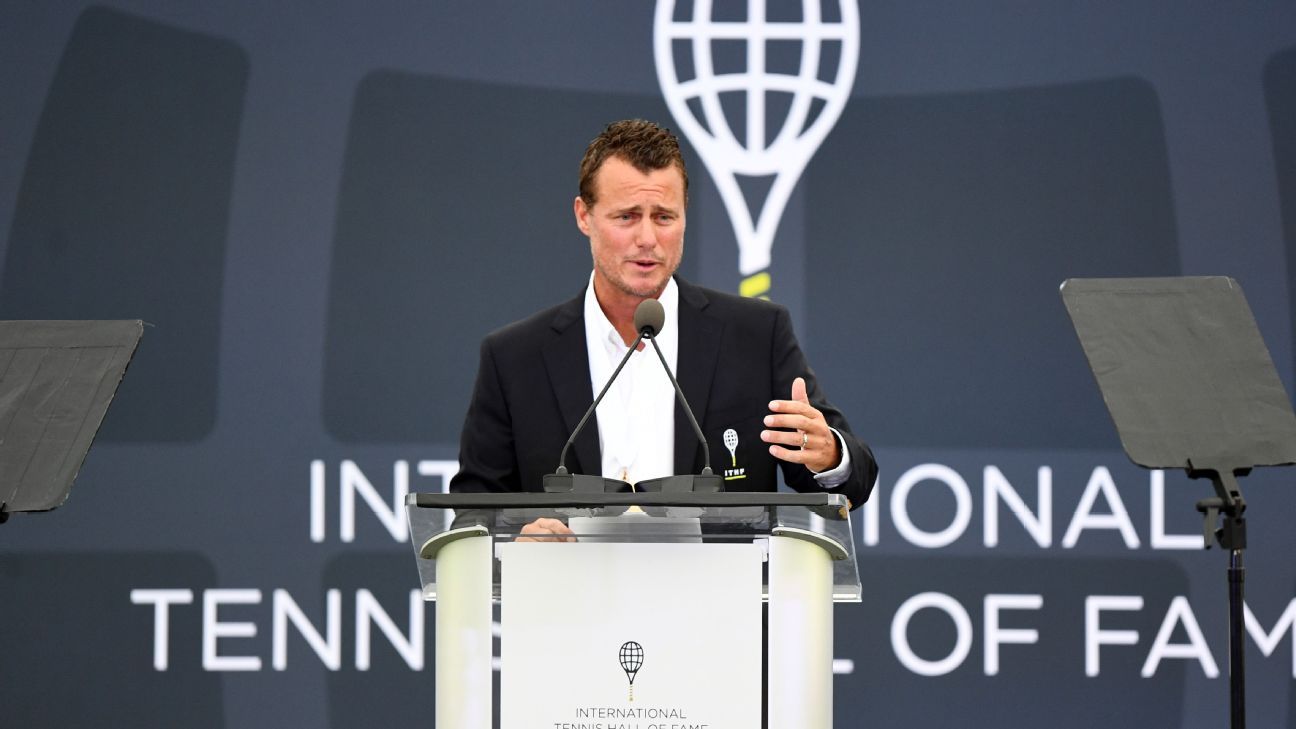
Lleyton Hewitt has been suspended from all tennis activity for 2 weeks, a period that spans Sept. 25 through Oct. 7 and includes his work as Australia’s Davis Cup captain. The sanction follows a post-match confrontation last November and carries a financial penalty of around $20,000. As of Oct. 1, the ban is active and limits his involvement to off-site, non-team-facing channels.
The episode centered on contact with a 60-year-old anti-doping chaperone in a tightly controlled area after Australia’s semifinal defeat to Italy. Hewitt, 44 and a former No. 1, denied wrongdoing while arguing self-defense. His competitive legacy—US Open champion in 2001 and Wimbledon winner the following year—has shaped a sideline identity built on urgency, structure, and sharp tactical cues.
The International Tennis Integrity Agency said an independent tribunal upheld a finding of offensive conduct and calibrated the dates so the punishment would not be “unduly punitive” to national-team obligations. As first relayed by ESPN, Hewitt retains the right to appeal and must remain off the bench through Oct. 7.
The tribunal concluded his actions “did not meet the requirements of self-defense” and were “not reasonable and proportionate.”
Calendar calculus and what it changes
Australia’s Davis Cup qualifier against Belgium in Sydney on Sept. 13–14 fell outside the punishment window. That sequencing avoided immediate disruption on the most visible stage while still removing the captain’s live presence between ties. The blackout between the 25 and the 7 affects the connective tissue of a national program: debriefs, session design, video study, and the micro-adjustments normally filtered through one voice.
Under Hewitt, Australia’s tactical signature has emphasized clear first-ball directives—serve patterns that open the forehand inside-out, a firm crosscourt backhand base to pin patterns, then timely down-the-line changes or inside-in accelerations. Doubles has benefited from compact formations and disciplined poach triggers, while the singles group has leaned on one–two combinations that keep points front-loaded. Those habits won’t evaporate for two weeks, but the marginal gains—tweaking return depth, deciding when to float a defensive slice to reset height—often hinge on courtside interpretation.
Safety culture in compressed spaces
Team tennis funnels athletes, staff, and volunteers through corridors, mixed zones, and fitness areas where adrenaline lingers. Modern governance leaves little ambiguity in those environments: no contact with officials, especially volunteers who underpin anti-doping logistics. The rationale is straightforward—clear rules protect people and processes, and consistency prevents context from being weaponized in the heat of a moment.
The timing here signals a dual message: safeguard the integrity of anti-doping personnel while calibrating competitive impact where possible. That approach has become more common across sports—discipline that defends the operational spine without turning the calendar into a blunt instrument.
Biomechanics and the modern sideline
There is a human factor to these flashpoints: post-match physiology keeps heart rate and cortisol elevated, narrowing peripheral awareness. In confined back-of-house lanes, even small misreads of spacing can translate to unintended contact, which is precisely why strict buffer protocols exist. The standard is set low by design to keep pressure from overtaking judgment.
On court, the same physiological intensity is converted into constructive patterns—short backswings on returns to take early contact, torsional unwind that drives the inside-out forehand, and posture control that stabilizes the crosscourt backhand before a down-the-line release. The sideline asks for the opposite alchemy: deceleration, restraint, and clear de-escalation habits that respect proximity rules.
What Australia manages without the captain
In the short term, assistants and analysts shoulder the rhythm work: opponent study, doubles pairings, training blocks, and messaging cohesion. The blueprint is intact—return height management, selective use of underspin to change pace, and structured 1–2 patterns that front-load pressure—but the conduit is altered. In tight rubbers, the difference between timely guidance and delayed feedback can be a couple of points; that’s where depth of staff and player-led leadership matter.
Squad composition also plays a part. Australia’s recent success has come from defined roles and surface-agnostic cues that travel: own the centerline with proactive feet, build with crosscourt tolerance, and choose the down-the-line release only when court position is earned. Without a courtside captain through Oct. 7, those heuristics need to be self-sustaining.
Re-entry and reputation
When the restriction lifts on Oct. 7, reintegration should be straightforward if Australia’s calendar demands it: step back into briefings, restore live patterning cues, and reconnect the analysis loop. What endures is the reputational layer. A former No. 1 known for intensity now faces a contemporary non-negotiable—demonstrating that passion and protocol can coexist in the same narrow corridors that never make the highlight reels.
The broader takeaway, underscored by the tribunal’s language and the ITIA’s framing, is less about one captain and more about where the sport draws its lines. Consequences are targeted, calendars are considered, but the red line around officials and volunteers is bright—by choice, and for good reason.