Harrison and King Ignite American Fire in Turin Doubles

With a season of hard-won titles and tactical grit, Christian Harrison and Evan King secure their Nitto ATP Finals debut, reviving all-American dreams in a field stacked with champions and contenders.
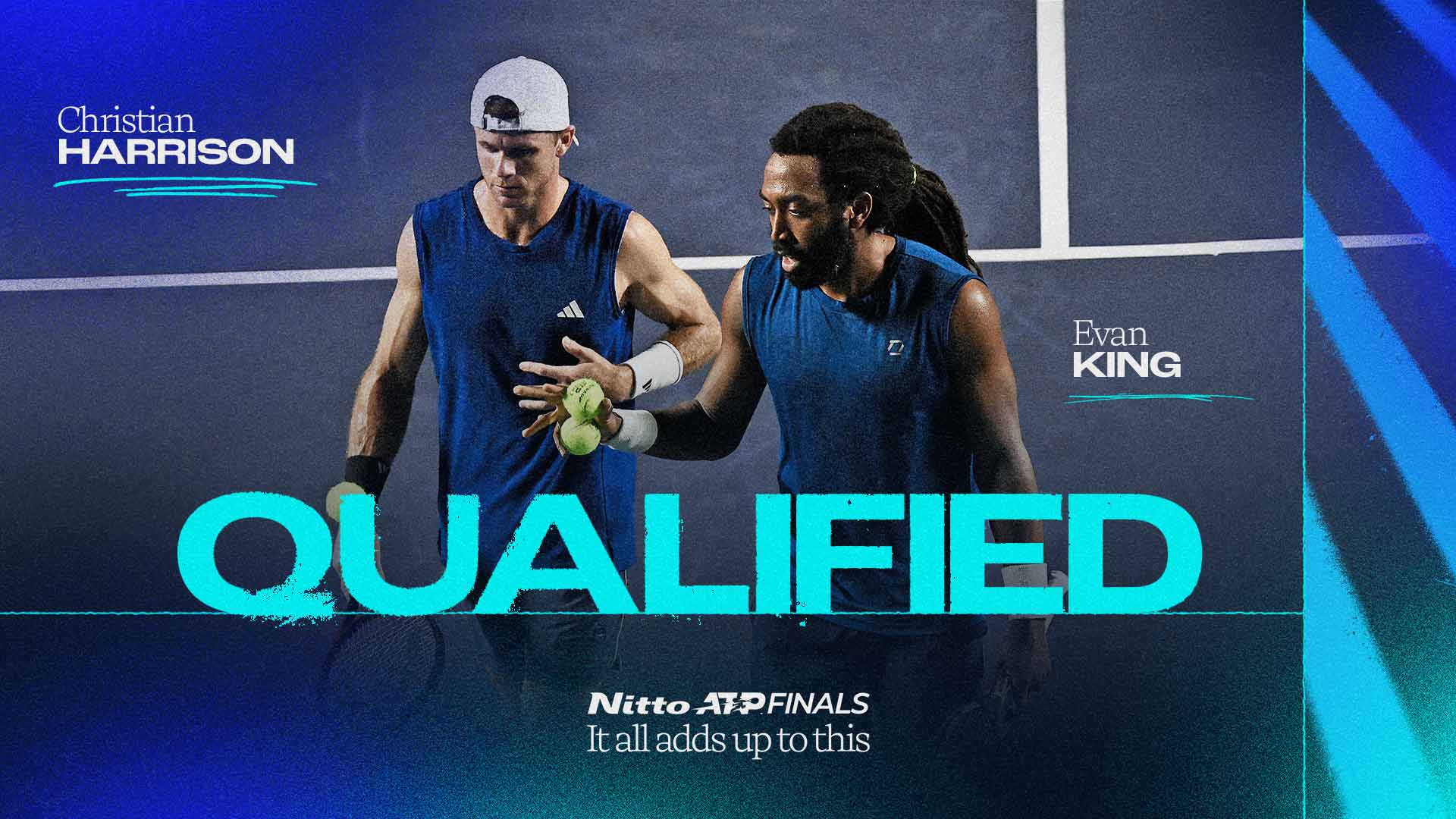
In the fading light of October’s final days, the doubles lineup for the Nitto ATP Finals locks into place, drawing Christian Harrison and Evan King into Turin’s electric arena from November 9-16. This all-American pair, embarking on their first full season as partners, steps into a draw brimming with seasoned duos, their breakthrough run a testament to relentless adaptation on courts from sun-baked hard to red-clay grind. As the Inalpi Arena prepares for indoor swiftness, their story pulses with the quiet thrill of underdogs who have already toppled giants, now facing the season’s ultimate test of nerve and net play.
Qualifying spark lights breakthrough path
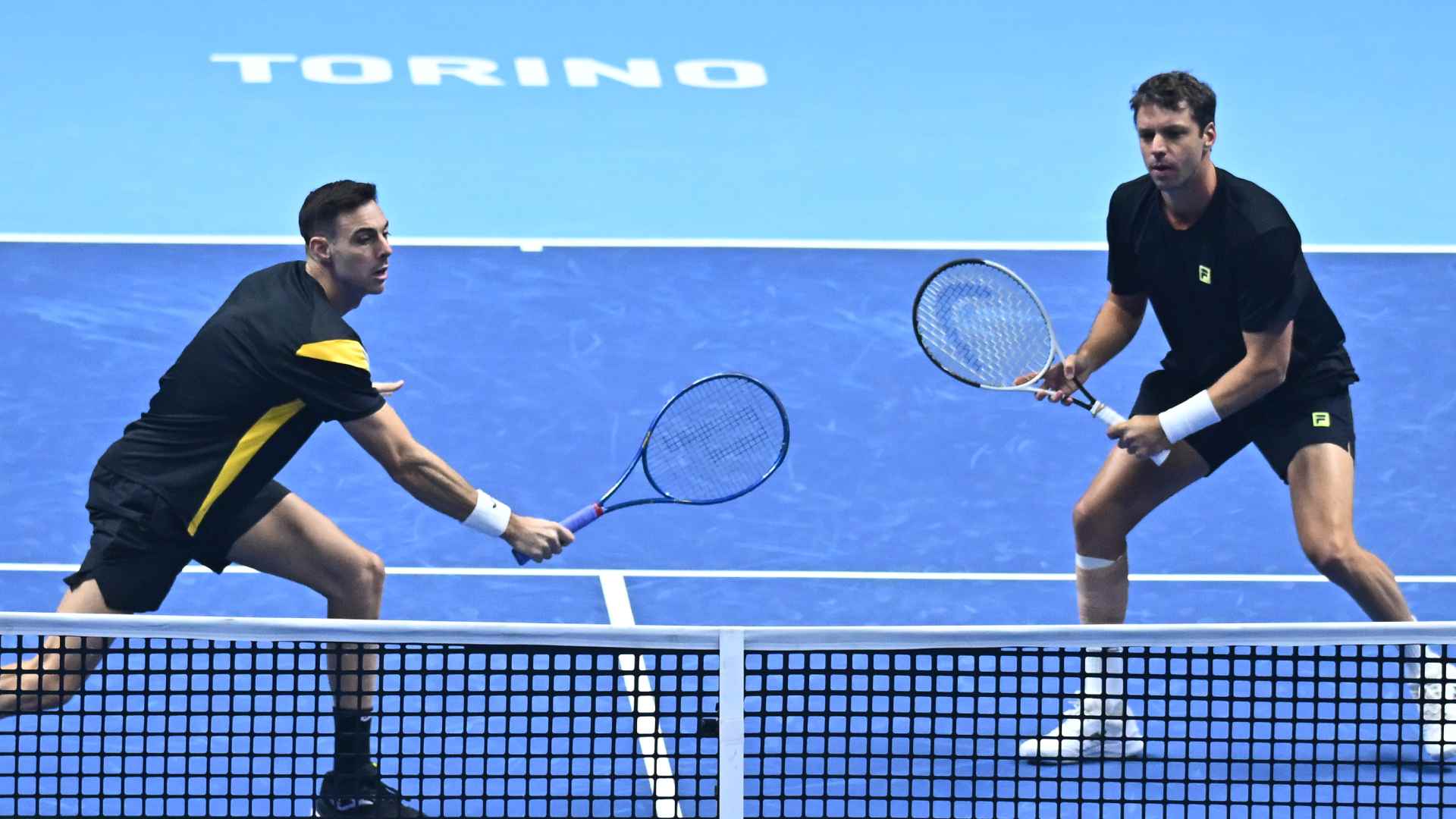
The duo’s ascent ignited in the qualifying rounds at the Dallas Open, where they stormed through 14 wins in 15 matches, flipping early doubts into undeniable momentum. This surge carried them to titles in Dallas, Acapulco, and Brussels, alongside a runner-up finish in Delray Beach, each triumph sharpening their one–two combinations that pinned opponents with deep crosscourt returns. Harrison’s baseline depth meshed seamlessly with King’s net instincts, building a partnership that turned transitional moments into scoring chances, all while navigating the tour’s escalating demands.
Their form held firm across surfaces, yielding semi-final runs in Indian Wells, Madrid, and Tokyo, where inside-out forehands exploited weak returns and underspin lobs disrupted aggressive volleys. Yet the qualification race added layers of tension, every match a high-wire act amid rivals’ pursuits. Relief arrived on a Thursday at the Paris Masters, when Hugo Nys and Edouard Roger-Vasselin‘s early exit clinched the Americans’ spot, unleashing a wave of validation after months of synchronized precision.
Clay semis showcase tactical depth
At Roland Garros, their deepest major venture reached the semi-finals through four straight-sets victories, capped by a quarter-final ousting of fellow qualifiers Harri Heliovaara and Henry Patten. The clay’s slower tempo demanded patient rally building, with Harrison‘s low-skidding underspin forcing errors in prolonged crosscourt exchanges, while King‘s poaches down the line sealed points amid rising crowd murmurs. This run, blending defensive resilience with opportunistic net rushes, mirrored the psychological edge they honed all season, transforming pressure into poised execution.
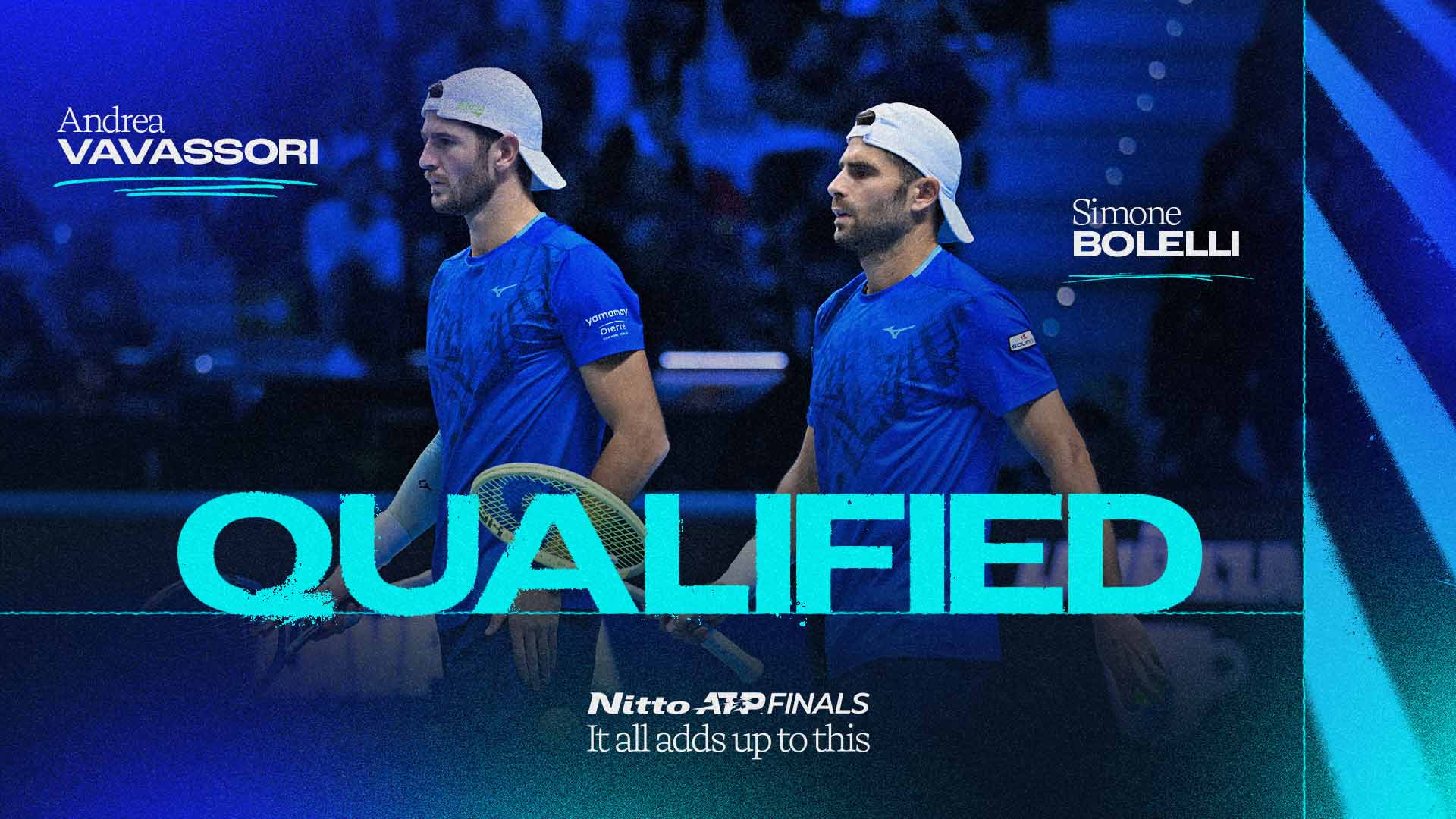
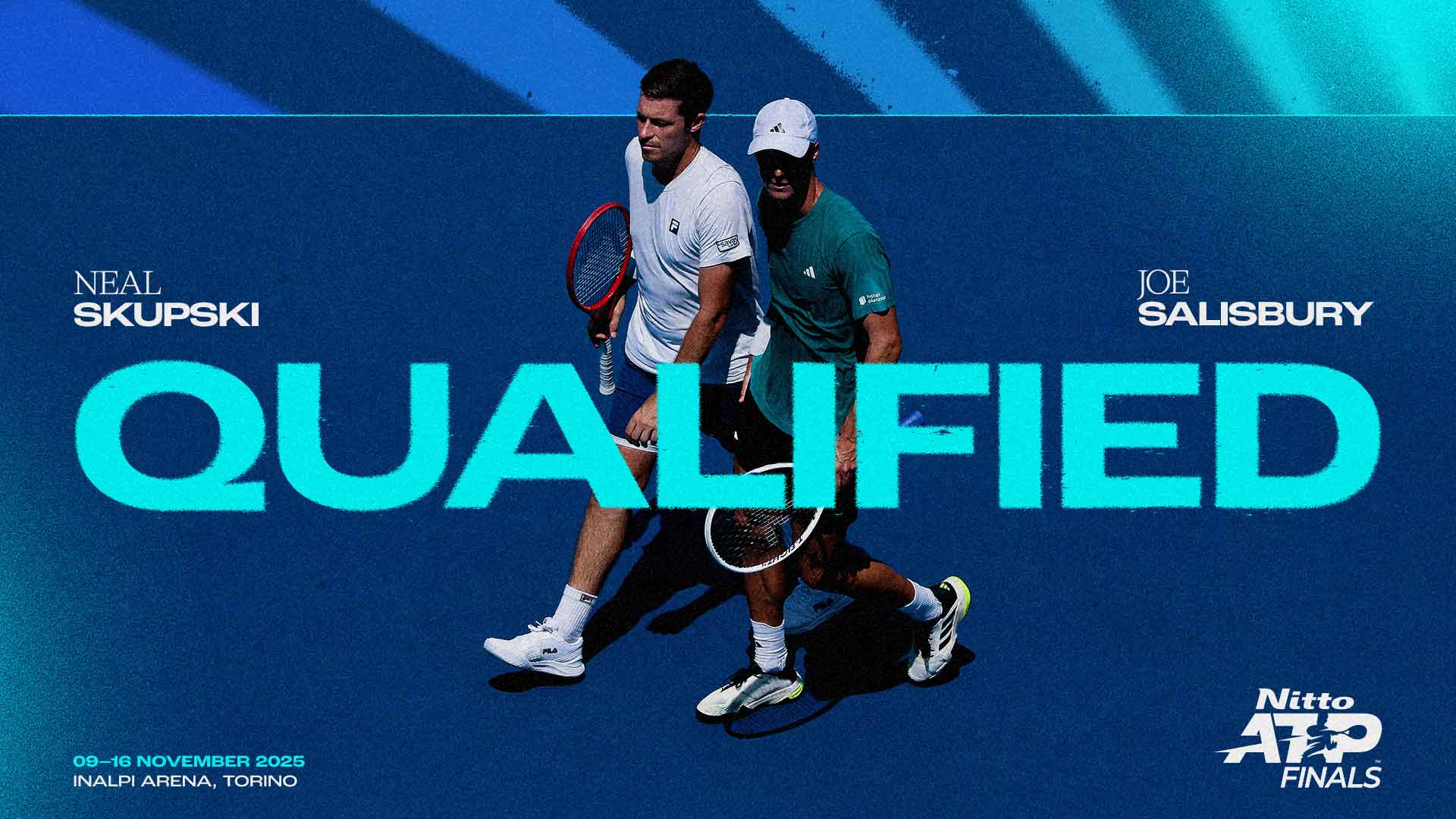
Off the red dirt, their versatility shone on faster hard courts, adapting serve patterns to draw short balls for inside-in finishers that kept foes retreating. The Americans’ evolution marks them as the first all-American team in the Nitto ATP Finals since 2018, when Mike Bryan and Jack Sock claimed the title, a legacy now within reach. As they join Julian Cash and Lloyd Glasspool, Marcel Granollers and Horacio Zeballos, Marcelo Arevalo and Mate Pavic, Joe Salisbury and Neal Skupski, Kevin Krawietz and Tim Puetz, plus Simone Bolelli and Andrea Vavassori, the draw pulses with rivalries ripe for disruption.
Indoor arena demands fresh adjustments
Turin’s swift indoor hard will test the newcomers against defending champions Krawietz and Puetz, whose title defense thrives on precise tramline serves and immediate volley pressure, echoing the 2024 final intensity faced by Arevalo and Pavic. Harrison and King, fresh from their Paris-securing vigil, plan to counter with varied slice approaches that slow the pace, inviting down-the-line poaches against lefty-righty pairs like Granollers and Zeballos. Salisbury and Skupski’s round-robin experience looms large, potentially forcing longer points that probe the duo’s transitional speed with inside-out lobs over high balls.
Cash and Glasspool’s baseline solidity could extend rallies, demanding the Americans’ endurance in baseline duels, while Bolelli and Vavassori’s home-crowd energy adds flair through counter-punching slices. Yet this pair’s season of surface shifts—from Dallas hard to Roland Garros clay—equips them to thrive, using momentum to chase upsets in the unforgiving round-robin. Under the arena’s roar, their unbreakable bond positions them to not just compete, but to redefine American doubles with a victory that echoes through the event’s storied courts.