Harris Ignites Britain’s United Cup Fire in Perth

Amid Raducanu’s sudden withdrawal, Billy Harris delivered a gritty straight-sets win over Shintaro Mochizuki, turning turmoil into triumph at the 2026 United Cup in Perth’s RAC Arena.
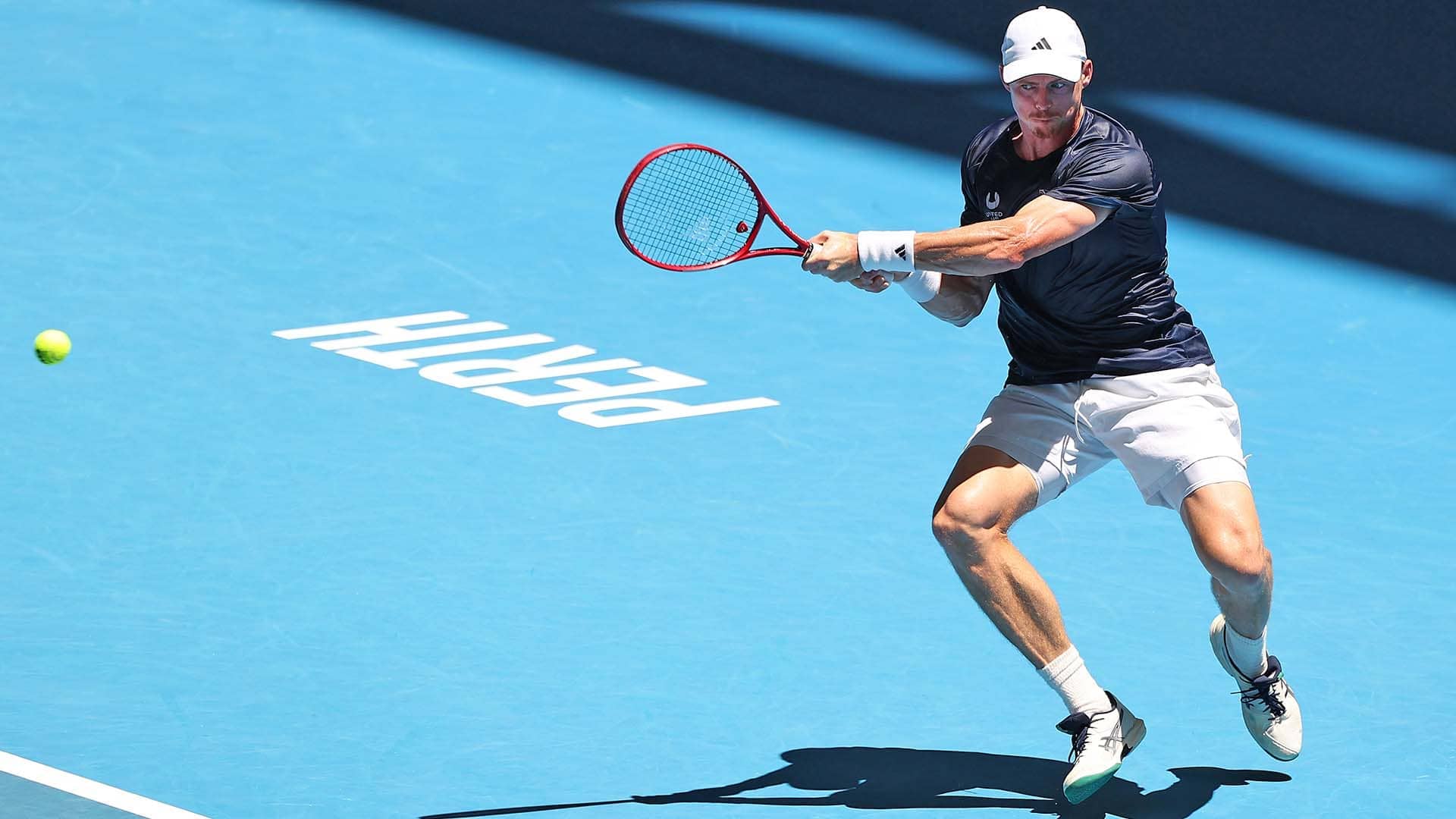
On January 4, 2026, Perth’s RAC Arena crackled with unease as Great Britain launched their United Cup campaign against Japan. Emma Raducanu, the 2021 US Open champion, had withdrawn from her women’s singles match against Naomi Osaka, paving the way for Katie Swan to step in. Billy Harris, though, transformed the morning’s disruption into resolve, grinding out a 7-6(4), 6-3 victory over Shintaro Mochizuki—a player ranked 29 spots higher—to give his team an essential edge.
The 30-year-old Briton faced immediate pressure on the indoor hard courts, where the ball’s quick skid demanded sharp reflexes. Mochizuki’s probing returns tested Harris early, but the crowd’s British contingent injected energy, their cheers punctuating every point. This marked Harris’s first tour-level win since defeating Dusan Lajovic at Wimbledon last July, a hard-earned step forward in a season defined by close calls.
“Great atmosphere… It got me through the match,” said Harris in his on-court interview. “A lot of Brits out here. Great to get the first win for the team. Some shaky bits in there, but I managed to close it out there in the end, so I was happy with that.“
Impressive start for Team Great Britain as Harris defeats Mochizuki in straight sets. pic.twitter.com/66t4GiCSSF
— United Cup (@UnitedCupTennis) January 4, 2026
Rising through tiebreak tension
Harris fell behind 3-5 in the opening set, Mochizuki‘s aggressive 1–2 patterns forcing him deep behind the baseline. He rallied to level at 5-5, then held firm despite a wobble at 6-5 that handed set points to the Japanese player. In the tiebreak, Harris capitalized on Mochizuki’s lapses, firing inside-out forehands that skimmed the line to secure a 7-4 edge and shift the match’s momentum.
The 22-year-old Mochizuki, seeking Japan’s first win after a 0-3 defeat to Greece the previous day, struggled with consistency, amassing 19 unforced errors in that first set. His first-serve rate hovered at just 40 percent overall—27 out of 68 attempts finding the mark—leaving openings for Harris to attack with deep returns and underspin chips. This tactical patience turned the set’s chaos into a platform for the Briton’s growing command.
Henman’s calls spark the break
Captain Tim Henman provided steady guidance from the bench, his changeover advice honing Harris’s positioning against Mochizuki’s slice serves. In the second set’s fourth game, Harris broke with a lunging crosscourt forehand, exploiting the hard court’s true bounce to pull ahead. Henman’s experience, bridging decades of high-stakes play, helped the 30-year-old maintain poise through the 50-minute frame.
“Having Tim on the bench, it’s great having advice from someone like that, so you are listening every changeover and those little bits of advice can make a difference,” Harris noted afterward. The victory, clocking one hour and 50 minutes, blended endurance with smart adjustments, as Harris varied paces to disrupt Mochizuki’s rhythm and force errors. With Swan now facing Osaka at No. 276 against a former World No. 1, Harris’s resilience bolsters Britain’s quarterfinal push on these demanding courts.
Crowd energy sustains the surge
The Perth atmosphere, alive with British flags waving under the arena lights, fueled Harris’s recovery from early jitters. Mochizuki’s baseline power faded against the surface’s speed, his heavy topspin sailing long as Harris redirected with flat backhands down-the-line. This win not only eases the pressure from Raducanu’s absence but signals a team ready to grind through the group stage.
As Japan eyes revival through Osaka’s response, Harris’s straight-sets statement echoes: in the United Cup‘s pressure cooker, composure and crowd lift can bridge any ranking gap. Great Britain’s opener sets a defiant tone, with mixed doubles looming to test this newfound steadiness.