Anisimova dismantles Gauff in Beijing semifinal

Beijing’s hard courts witnessed a swift unraveling of Coco Gauff’s title defense, as Amanda Anisimova’s baseline firepower secured a 6-1, 6-2 victory and a spot in the China Open final.
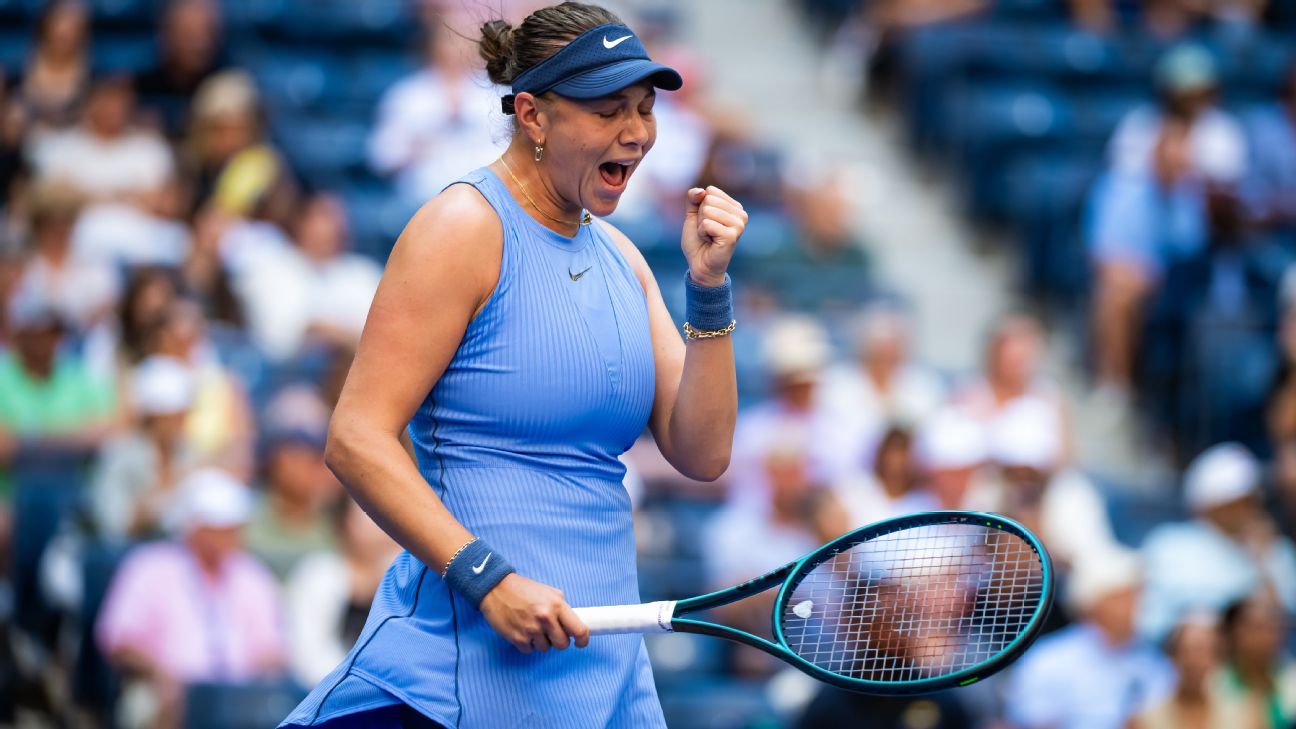
Under the glare of Beijing’s evening lights, Coco Gauff’s campaign to repeat as China Open champion dissolved in a brisk 58 minutes, felled by the unyielding precision of third-seeded Amanda Anisimova. The 6-1, 6-2 scoreline masked a deeper mismatch, where Anisimova’s flat groundstrokes exploited the medium-paced surface to pin Gauff deep and force errors from the baseline. What began as a promising all-American semifinal devolved into a display of one player’s resurgence against another’s creeping exhaustion, the crowd’s initial buzz giving way to quiet acknowledgment of the shift.
Gauff bears the season’s toll
Entering the match, Gauff carried the weight of a grueling year, her explosive style tested by majors and relentless travel. Her serve, a cornerstone of past triumphs here, wavered under pressure, allowing Anisimova to return deep and disrupt the one–two combinations that once defined her aggression. Unforced errors piled up in the first set, a blur of inside-out forehands that lacked conviction, revealing how the hard court’s consistent bounce amplified her opponent’s counters while exposing her own fatigue.
The second set offered little respite, as Gauff’s attempts to redirect with crosscourt backhands met Anisimova‘s anticipatory down-the-line replies. The humidity hung heavy, mirroring the mental strain of defending titles across continents, and the American’s footwork slowed just enough to turn rallies one-sided. This defeat, though sharp, signals a need for recalibration as the season winds down, her youth a promise against the tour’s demands.
Anisimova unleashes refined power
Fueled by runner-up finishes at Wimbledon and the US Open this year, Anisimova arrived with a sharpened edge, her baseline game a blend of power and placement that overwhelmed from the outset. She targeted Gauff’s forehand flank with heavy topspin, following wide serves to the deuce side with inside-in forehands that converted breaks efficiently. Slice backhands dipped low to jam her rival’s rhythm, transforming the court into her domain and holding serve with clinical speed.
Anisimova’s movement absorbed the pressure, her flat strokes penetrating the medium pace to end points decisively, a far cry from earlier setbacks. The victory catapults her into the final against either fifth-seeded Jessica Pegula or 26th-seeded Linda Noskova, where her composure could finally yield a title. At 20, Noskova etches her name as the youngest Czech to reach a WTA 1000 semifinal since the format’s 2009 debut, her upsets adding layers of intrigue to the matchup.
Final sets up contrasting styles
The showdown ahead pits Anisimova’s aggression against Pegula’s steady retrieval or Noskova’s bold flat shots, the hard courts likely favoring those who dictate from deep. Beijing’s atmosphere, charged with late-season stakes, promises tactical chess—crosscourt exchanges testing endurance, down-the-line winners deciding momentum. For Anisimova, this stage offers redemption; for the tour, a glimpse of evolving rivalries before the break.