Alex Eala’s Miami Return Tests Her Staying Power

A year after her stunning semifinal run, world No. 29 Alex Eala faces the pressure of defending points at the Miami Open, where breakthroughs demand follow-through on unforgiving hard courts.
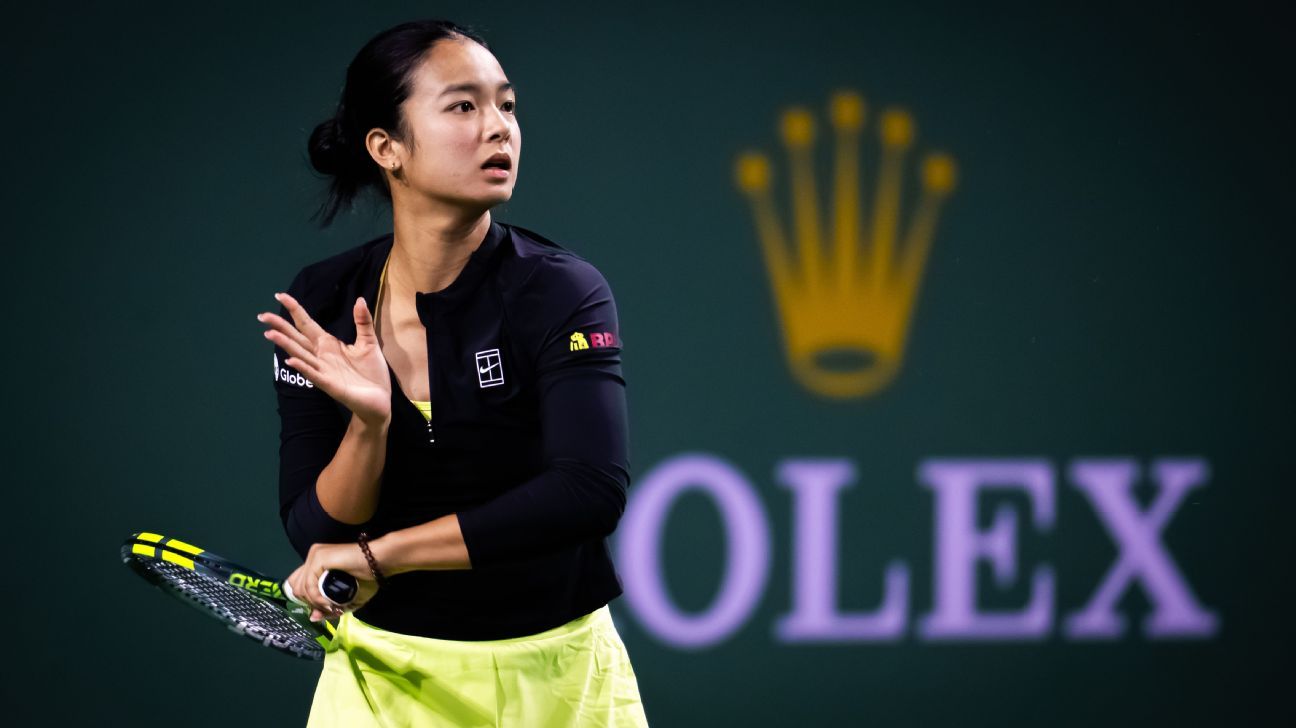
Under the humid glare of Hard Rock Stadium, Alex Eala steps back into the Miami Open on March 18, 2026, no longer the wildcard underdog but a seeded force at world No. 29. The 20-year-old Filipina carries the echo of last year’s electric surge, a semifinal breakthrough that vaulted her from No. 140 into the top 100 and reshaped her tour life. Now, those 390 points from that run hang in the balance, turning the Florida hard courts into a proving ground where aggression meets expectation.
Reliving a career-igniting surge
It began on March 20, 2025, when then-world No. 140 Alex Eala claimed her wildcard entry with a composed round of 128 victory over Katie Volynets. She unleashed controlled aggression from the start, stepping inside the baseline to redirect pace with heavy topspin forehands and crisp backhand inside-outs that disrupted rhythms early. The momentum built as she dismantled Grand Slam champion Jelena Ostapenko, outlasting the Latvian in crosscourt exchanges that forced errors under the evening lights.
Eala kept the pressure on, absorbing Madison Keys' power with deep returns before advancing past Paula Badosa via walkover. The run peaked with her signature stunner against world No. 3 Iga Świątek, flipping defense into offense as her lefty serve kicked wide to jam returns on the slick hard courts. That propelled her to the first WTA 1000 semifinal for a Filipina, just one match shy of the final against Jessica Pegula, and forced the tour to recalibrate around her rising game.
Defending points sharpens every rally
In the WTA’s rolling 52-week system, those Miami points expire this fortnight, making every swing a calculation for her top-30 standing. As the No. 31 seed, she earns a first-round bye, but her round of 64 matchup against Laura Siegemund arrives quickly—a veteran who mixes slice backhands and angled serves to pull opponents off the baseline. Eala’s path steepens from there, with a potential third-round rematch against Świątek looming, where flat groundstrokes punish any hesitation on these medium-paced surfaces.
Opponents now carry a year’s worth of film, dissecting her wide lefty serve on big points and backhand down-the-line in transition. Her 2026 form shows adaptation: tighter serve placement nets more free points, while rally tolerance stretches in extended crosscourt battles, letting her absorb and redirect with precision. She’s more selective too, waiting for the right setup to unleash a 1–2 pattern—deep approach shot into forehand inside-in—rather than forcing winners prematurely.
Evolving aggression under rising stakes
The Miami hard courts, with their grippy texture and consistent bounce, once amplified Eala’s first-strike mentality, turning early returns into opportunities. This time, familiarity breeds caution; she counters by varying her serve with kick to the body alongside slice out wide, keeping returners off-balance in the humid air thick with crowd anticipation. Psychologically, the shift from surprise contender to expected performer tests her resilience, as doubt can creep when patterns get exposed mid-rally.
Early season results hint at a more complete game, blending last year’s fearlessness with polished restraint to handle pressure like a heavy ball redirected crosscourt. A quarterfinal push would offset the points defense, securing seeded draws into the clay swing at Madrid and Rome, where her topspin could carve new edges. Here, where her breakout first flickered, Eala aims not just to hold ground but to dictate the next chapter, proving her fire burns steady amid the tour’s relentless churn.