Comebacks That Defined 2025’s Grand Slams

From the brink of defeat on Wimbledon’s grass to midnight marathons in Melbourne, 2025’s majors delivered raw drama in five-set battles that tested limits and forged legacies.
Five-set tennis in 2025’s majors unfolded as pure theater, where early dominance crumbled under waves of defiance and crowd-fueled surges. Taylor Fritz headlines the year’s most gripping reversals, his Wimbledon first-round escape against a record-breaking server setting a tone of unyielding resolve across the Slams. These moments, thick with tactical resets and emotional pivots, reminded everyone why the format endures amid packed schedules and surface shifts.
Fritz defies serving storm
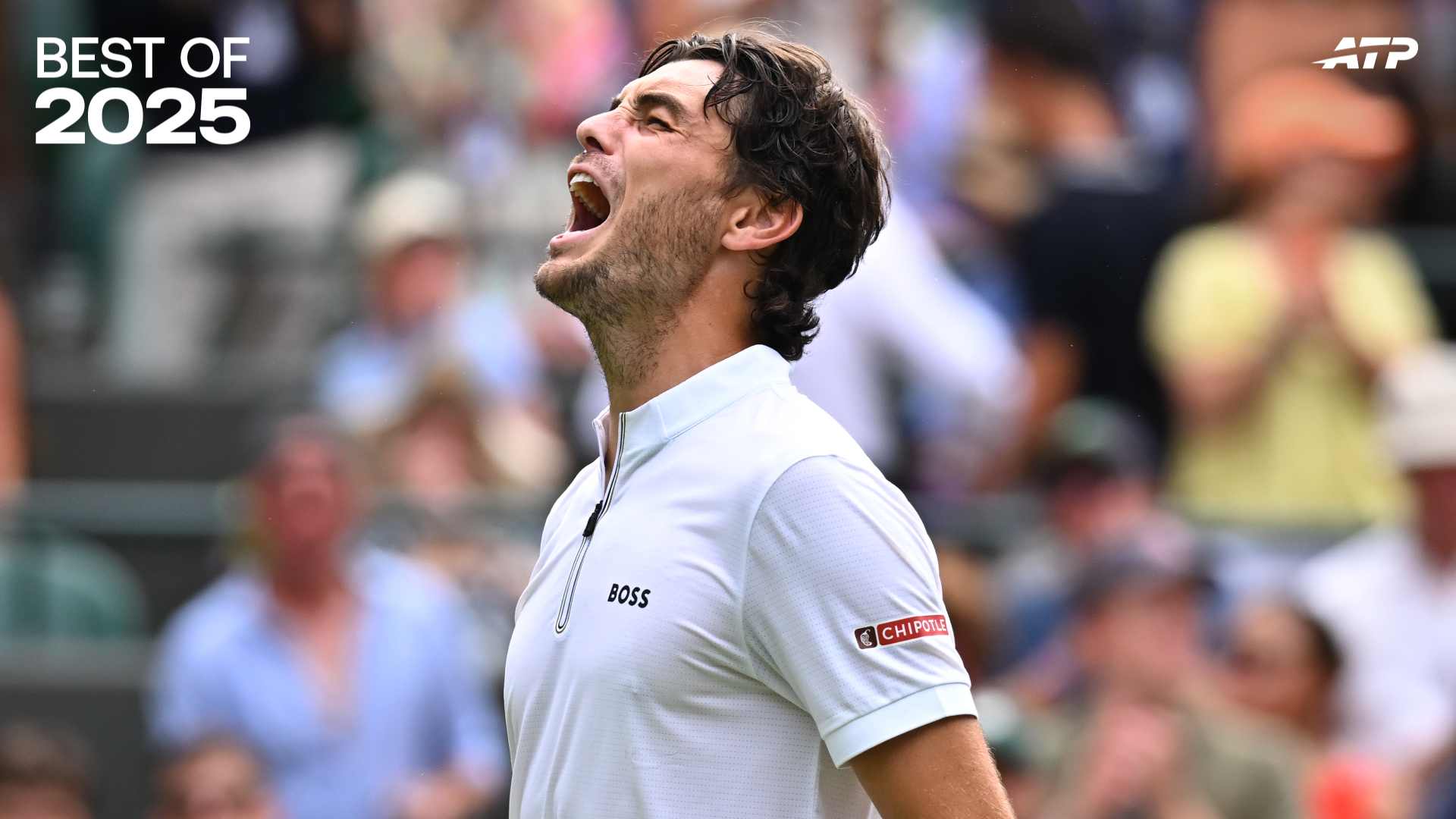
Trailing two sets to one and two points from elimination in Wimbledon’s opening round, Taylor Fritz faced Giovanni Mpetshi Perricard, whose 153 mph serve had just eclipsed Taylor Dent‘s 2010 tournament record. The 6-foot-8 Frenchman’s down-the-line bombs skidded low on the grass, drawing Centre Court gasps as he built a 5-1 lead in the fourth-set tie-break, holding two match points on his delivery. Fritz, drawing on recent Stuttgart and Eastbourne titles, stepped inside the baseline to chip returns with flat backhand slices, redirecting pace and forcing errors in a seven-of-eight-point rally that forced a decider.
The All England Club’s 11 p.m. curfew suspended play, but Fritz resumed with precision the next day, mixing kick serves wide to the deuce side with inside-in forehands to claim a 7-6(8), 6-4 finish in their first head-to-head. This survival propelled him to his debut semifinals at SW19, a mental anchor in a season blending hard-court defenses with grass dominance. The American’s roar after the tie-break turn echoed the belief that turned potential heartbreak into breakthrough.
“It was a really crazy match. I thought it was about to be all over in the fourth-set tie-break last night,” said Fritz. “He came back on me in the first two tie-breaks, so I thought I had one in me. I’m just super happy to get through.”
Nicolas Jarry, ranked No. 143 in the PIF ATP Rankings, clawed through qualifying at Wimbledon only to drop the first two sets 4-6, 4-6 to eighth seed Holger Rune, whose baseline lasers pinned the Chilean in early exchanges. The 6-foot-7 powerhouse adjusted by loading heavy topspin on his forehand, pushing Rune back and opening the court for a 1–2 pattern of wide serves followed by crosscourt winners. He unleashed 63 winners, including 31 aces, across the final three sets—7-5, 6-3, 6-4—for his first main-draw major victory since the 2023 US Open.
That spark ignited a run past #NextGenATP prospects Learner Tien and Joao Fonseca, ending in a fourth-round loss to home favorite Cameron Norrie, matching Jarry’s career-best Slam depth. On slick grass that amplified his artillery, the qualifier’s turnaround highlighted how a single tactical grip could ease ranking strains and fuel unexpected depth. The All England Club’s roar built with each escalating point, turning underdog doubt into defiant momentum.
Clay court awakenings surge
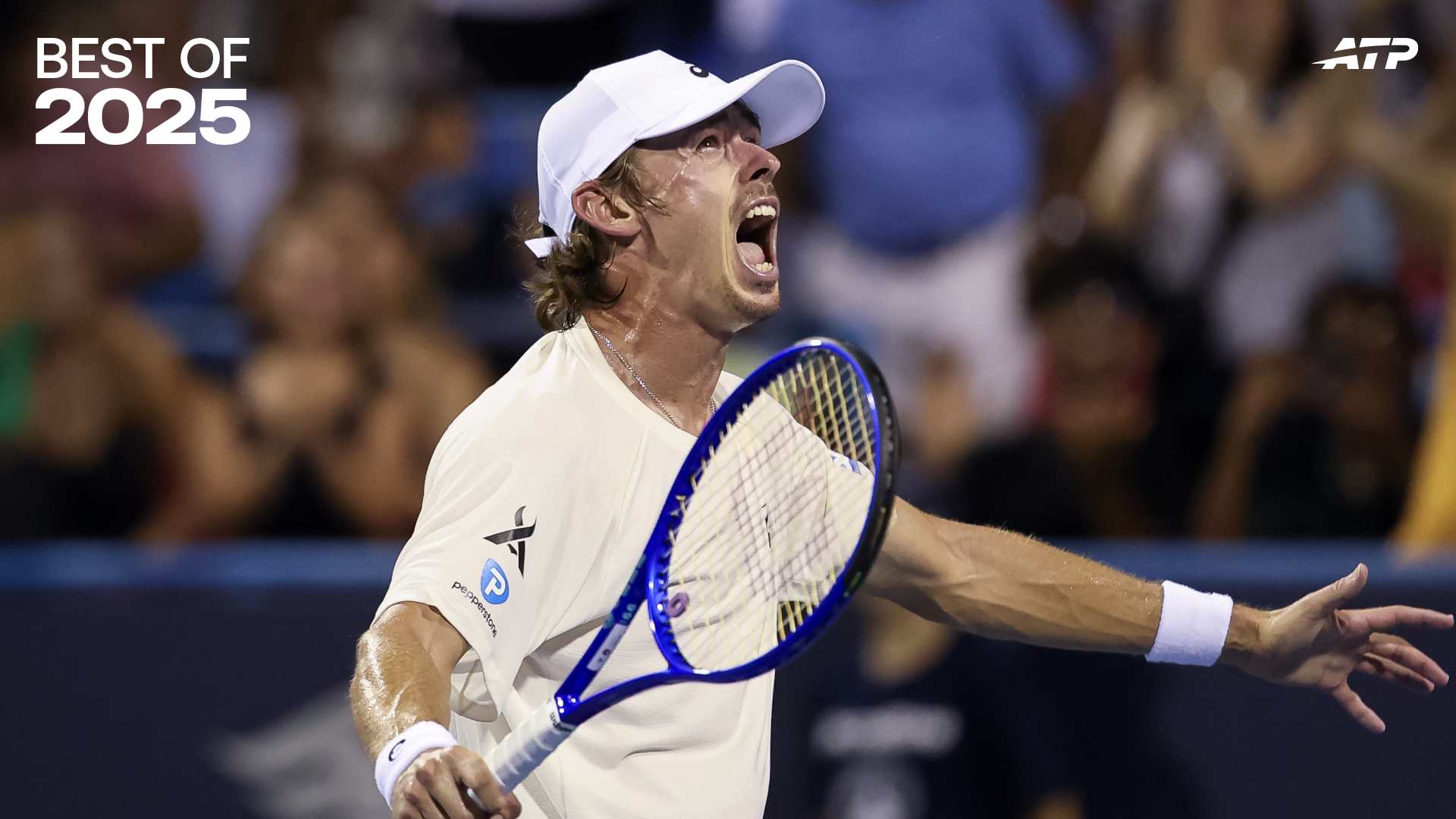
Alejandro Davidovich Fokina‘s Australian Open second-round clash with Felix Auger-Aliassime stretched four hours and 51 minutes under Melbourne’s night lights, interrupted early by a court switch from the thunderous Jacob Fearnley-Arthur Cazaux match nearby. Auger-Aliassime, after the relocation, locked in with explosive serve-volley combos on the medium-paced hard courts, snaring the first two sets 6-7(7), 6-7(5) via tie-breaks that neutralized the Spaniard’s one-handed backhand. Davidovich Fokina deepened his groundstrokes, using higher-bouncing topspin forehands to retreat the Canadian and carve inside-out angles for sets three and four: 6-4, 6-1.
A point penalty for a time violation at 3-2 in the fifth, plus a four-minute delay, tested his poise, but he reset swiftly, surging to a 6-3 decider finish at 1:15 a.m. This marked his first win from two sets down, building armor he deployed two days later against Jakub Mensik in another rally. The chaos of shifting venues and late hours amplified the grit, proving endurance on hard courts could forge satisfaction from sheer will.
“It was a match where we both played at a high level,” said Davidovich Fokina. “It’s definitely one of the matches of my career that has given me the most satisfaction. I had never been able to win from two sets down. The strength I have gained from this match is immense.”
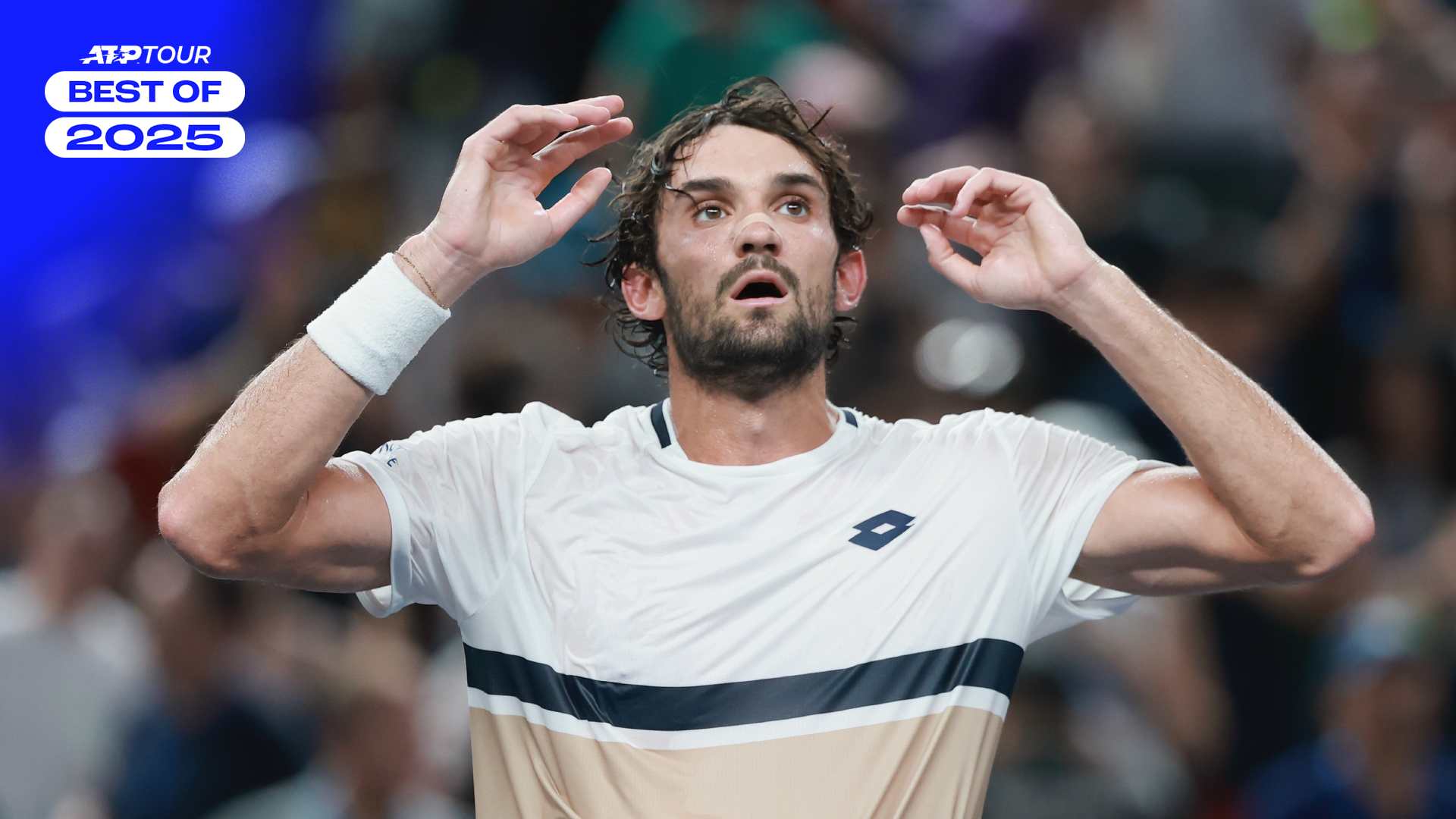
At Roland Garros, Alexander Bublik awoke from a sluggish start against then-World No. 9 Alex de Minaur in the second round, dropping the openers 2-6, 2-6 after scraping just four games on clay that suited the Australian’s retrieval. Ranked No. 62 with only 21 tour-level clay wins entering 2025, the Kazakhstani varied his serves—kick to the backhand mixed with slice out wide—before deploying audacious drop shots that stretched de Minaur across the court in humid air. The flip dismantled the defense, securing the final three sets 6-4, 6-3, 6-2 in his self-proclaimed best Slam match.
Bublik rode the surge past Henrique Rocha and fifth seed Jack Draper to quarterfinals, his deepest major on a disliked surface, closing the year 16-5 on clay per the ATP Win/Loss Index. The Parisian baseline’s grind, once a foe, became a canvas for his deception, easing prior struggles and unlocking titles in Gstaad and Kitzbuhel. Each short ball landed like a wake-up call, shifting fog to focus under Court Suzanne Lenglen’s gaze.
“I was a bit sleepy in the first two sets,” said Bublik, who was competing as the World No. 62. “It was [the] key to wake up and then play one of the best Slam matches that I ever played in my life.”
Gael Monfils turned a fifth-point collision with an advertising board into fuel during his Roland Garros opener against Hugo Dellien, losing the first two sets 4-6, 3-6 as the Bolivian’s steady topspin rallies silenced the crowd on Court Philippe-Chatrier. The then-38-year-old Frenchman accelerated his footwork, weaving drop shots and net rushes to disrupt the rhythm, amping power with crosscourt backhands for a 6-1 third-set claim. A flicked backhand winner sealed the fourth-set tie-break 7-6(4), propelling a 6-1 fifth for his 40th Roland Garros victory, tying 1983 champion Yannick Noah among Frenchmen in the Open Era.
“Every time I play Roland-Garros it’s magical,” Monfils told the crowd afterwards. “The energy was high and I knew the moment the Marseillaise rang out that it had turned. it’s moments like that, when I know I’ve gained the momentum and then, with this communion with you, I know it’s won.”
These clay-court revivals, from Monfils’ elastic flair to Bublik’s sly variations, captured Paris’s late-night pulse, where home support and surface patience transformed peril into triumph. As the majors’ demands intensify, such shifts promise more underdogs rising, their stories etching deeper into the sport’s resilient core.