Semifinal Fire Ignites Australian Open Night

Under Melbourne’s glare on January 29, 2026, power clashes with grit as the women’s semifinals test limits in pursuit of the final spotlight.
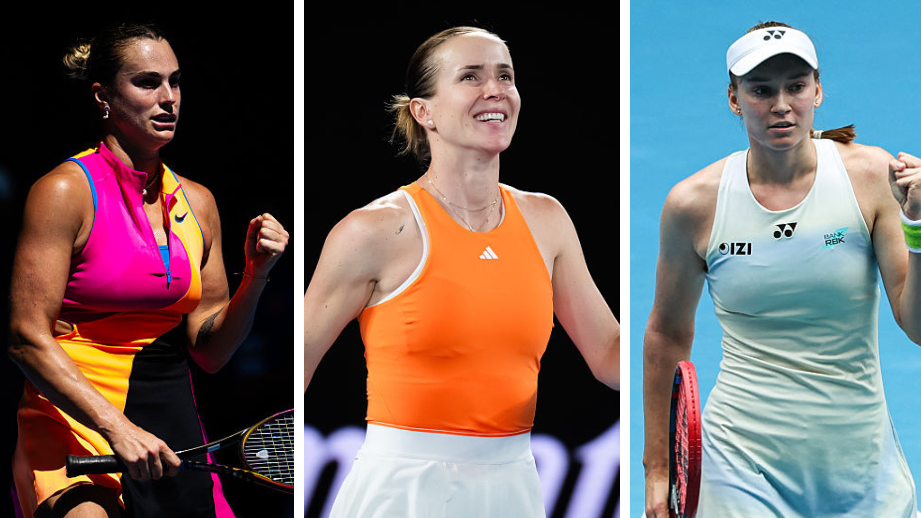
In the charged atmosphere of Melbourne Park on January 29, 2026, the Australian Open women’s semifinals crackle with intensity, drawing eyes to Rod Laver Arena where legacies hang on every baseline exchange. World No. 1 and two-time champion at Melbourne Park, Aryna Sabalenka steps up against Ukrainian 12th-seed Elina Svitolina, her thunderous groundstrokes meeting a fighter’s unyielding returns. Later, American Jessica Pegula collides with fifth-ranked Elena Rybakina, pitting steady accumulation against piercing serves on these fast hard courts.
The hard courts here favor bold aggression, where a deep 1–2 pattern can pin opponents back before they reset. Sabalenka’s heavy topspin forehands arc high, forcing errors on the rise, while Svitolina counters with sharp angles that stretch the court wide. Pegula’s flat backhands slice down-the-line, probing for weaknesses in Rybakina’s movement, as the Kazakh’s flat serves clock over 120 mph to seize early points.
“it’s not just about the points; it’s carrying the weight of everyone watching back home,” Svitolina said after her quarterfinal win, her voice steady but eyes revealing the toll.
Sabalenka powers through mounting pressure
Sabalenka’s path this tournament has demanded mental resets, her explosive inside-out forehands opening angles for crosscourt backhands that keep rallies short. Facing Svitolina’s resilient one–two serve-volley, she must channel frustration into firepower, much like her title defenses here. The Ukrainian’s low-bouncing underspin pulls her forward, testing footwork on the slick surface, but Sabalenka’s drop shots—refined this year—could disrupt that flow and swing early momentum.
As the first set builds, unforced errors from the top seed hint at the season’s toll, yet her 80% hold rate on hard courts gives her an edge in drawn-out exchanges. Svitolina’s down-the-line passing shots exploit any net forays, turning defense into sudden threats. Their clash layers national pride atop tactical chess, with the crowd’s roar amplifying every hold.
Pegula grinds for breakthrough against Rybakina
Pegula enters with quiet poise, her consistent topspin wearing down foes in extended rallies, now aimed at Rybakina’s booming serves that skim the lines. The American mixes high kickers with inside-in winners, waiting for short balls to punish, while Rybakina’s 1–2 combinations jam returns and force quick decisions. On this low-bounce court, the Kazakh’s composure shines, her straight-set wins belying past injury hurdles.
Pressure as a top American contender weighs on Pegula, her 65% first-serve points won stat crucial against Rybakina’s punishing forehands. The battle hinges on adaptation—who first breaks the other’s patterns amid rising crowd energy. A semifinal win boosts rankings significantly, etching progress in a year of steady climbs.
Men’s shadows and privacy debates linger
Across the complex, 24-time Grand Slam champion Novak Djokovic advances after Lorenzo Musetti retired hurt two sets down in their quarterfinal, setting up a semifinal against world No. 2 Jannik Sinner. Djokovic’s varied spins clash with Sinner’s clean striking, while top-ranked Carlos Alcaraz faces Alexander Zverev in the other men’s spot for Sunday’s final. These matchups heighten the tournament’s pulse, reminding all of the razor-thin margins in majors.
The women’s draw carries extra scrutiny amid debates over player privacy, sparked by world No. 3 Coco Gauff‘s racket-smashing outburst after her quarterfinal loss to Svitolina. That raw frustration echoes the mental strain under constant watch, influencing how these semifinalists navigate their own pressures. As action unfolds, the focus sharpens on who endures longest, advancing to Saturday’s final with Melbourne’s approval ringing in their ears.