Sinner’s Defense Starts Amid Melbourne Queue Woes

Jannik Sinner steps onto the court for a third straight Australian Open title chase, but Day 3’s buzz competes with fans’ growing ire over endless entry lines at Melbourne Park.
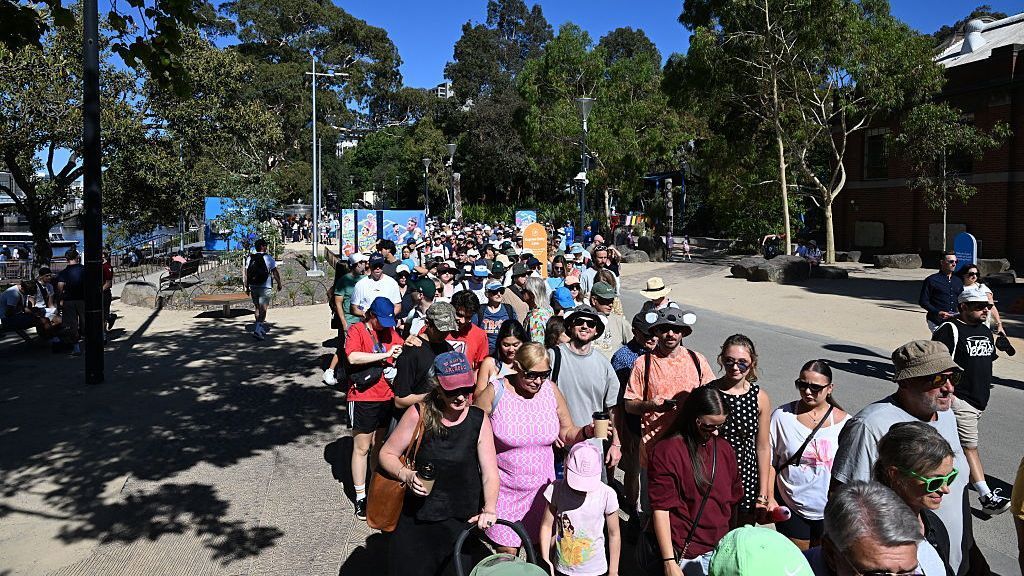
In the thick Melbourne humidity on January 20, 2026, Jannik Sinner launches his Australian Open 2026 title defense against a qualifier on Rod Laver Arena. The world No. 1’s heavy topspin forehand already carves sharp angles, probing for weaknesses in a match that sets the tone for his fortnight. Yet outside the lines, the precinct strains under record crowds, with entry queues from the first two days still fueling calls for Tennis Australia to overhaul the fan experience.
Sinner builds momentum early
Sinner’s 1–2 pattern—serve wide followed by a crosscourt forehand—dictates the opener’s rhythm, his footwork slicing through the heat to extend points methodically. After resolving his doping case and a packed 2025, he channels calm focus, using inside-out shots to stretch opponents thin. Each hold reinforces his grip on the No. 1 ranking, turning potential stumbles into steps toward history.
The Italian’s backhand down-the-line passes land with precision, countering any qualifier’s upset bid amid sparse early cheers from delayed arrivals. His mental resets between games blunt the external noise, keeping the pursuit of a third consecutive crown on track. Victory here quiets whispers of vulnerability, opening pathways deeper into the draw.
Osaka and Americans ignite the action
Naomi Osaka unleashes her flat groundstrokes in her first-round clash, deep returns flipping serves into baseline wars on the bouncy hard courts. Post-maternity, she mixes slice backhands to disrupt flow, her power amplified by the surface’s speed. The four-time major winner navigates rediscovery with tactical patience, every winner a nod to her enduring firepower.
Ben Shelton booms his lefty serve like thunder, underspin slices pulling returns wide in his opener. Taylor Fritz deploys inside-in forehands to wrong-foot foes, his net approaches testing passing shots with controlled aggression. Madison Keys pierces rallies with flat backhands, her aggressive serves fueling crosscourt exchanges as the Americans chase deep runs.
These matches pulse with upset potential, players sensing the crowd’s delayed energy that heightens each point’s stakes. The collective pressure of national expectations weaves through the day’s narrative, forging resilience on courts where every slide and swing counts. As final first-rounders wrap, the intensity builds toward seeded showdowns.
Queues dim the tournament’s spark
Tennis Australia grapples with fan backlash after waits exceeding two hours on opening days turned excitement into exhaustion at Melbourne Park. Organizers scramble to streamline access, balancing record attendance with smoother flow to restore the event’s vibrant promise. The logistical strain filters onto the courts, where sparse stands mean points land with raw edge.
Players like Sinner draw on inner poise to counter the chaos, their pursuits a beacon amid the bottlenecks. Day 3’s resolutions could redefine seeds and storylines, pushing the Australian Open 2026 toward a fortnight of reclaimed momentum. With results unfolding, Melbourne’s hard courts await the next tactical twists.