Rinderknech surges into Shanghai spotlight

Under the glare of the Shanghai Masters floodlights, Arthur Rinderknech savors his first ATP Masters 1000 quarterfinal, a milestone forged from upsets and unyielding resolve that now pits him against Felix Auger-Aliassime.
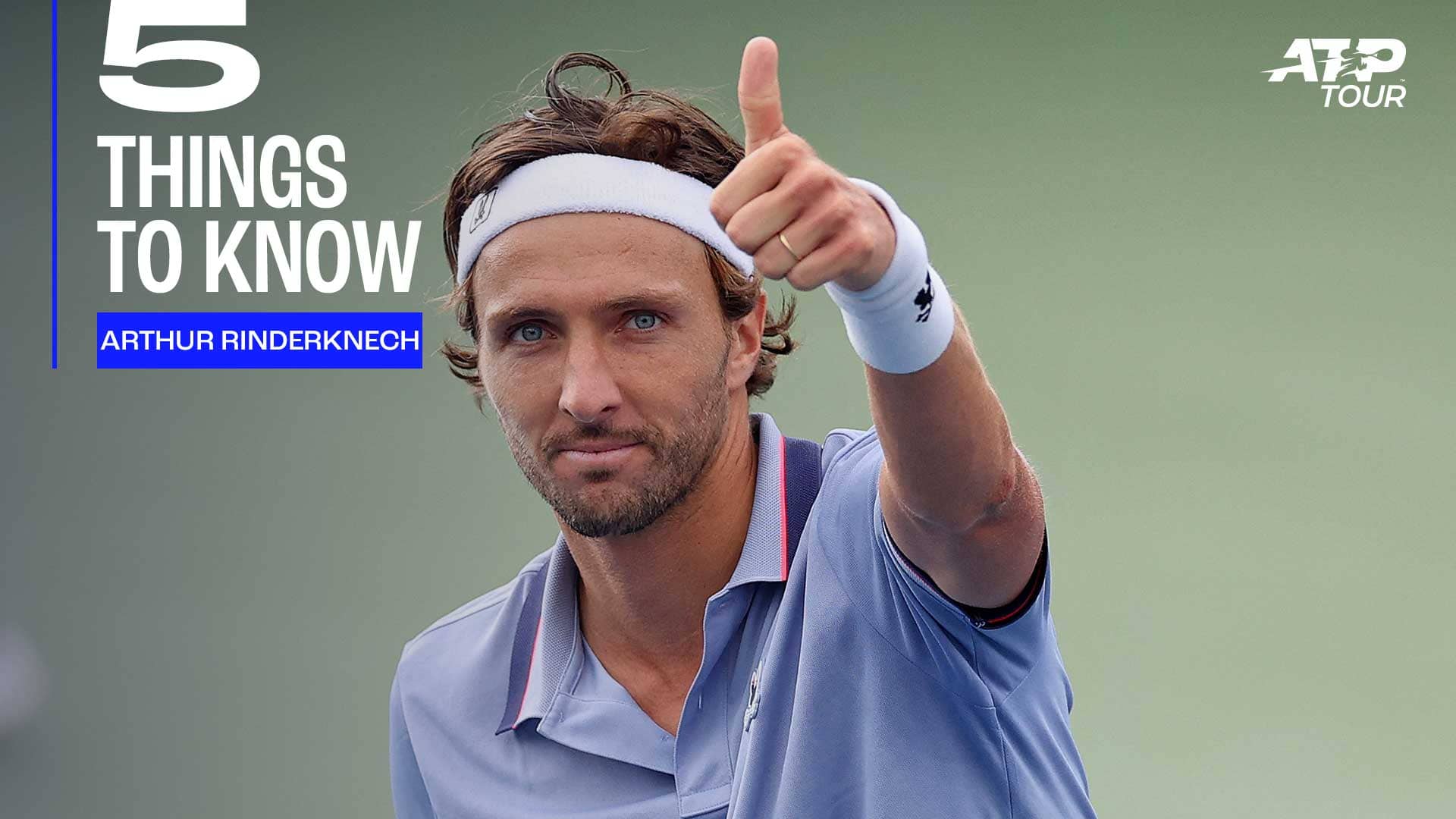
In the buzzing heart of the Shanghai Masters, where hard-court echoes mix with the crowd’s rising hum, Arthur Rinderknech has carved out a rare breakthrough. The 30-year-old Frenchman, long a journeyman on the tour, stunned Alexander Zverev to reach the last eight for the first time at this level, a feat that blends tactical cunning with the quiet fire of a late-career push. Facing Felix Auger-Aliassime next, he carries momentum from a season of upsets, each victory chipping away at doubts accumulated over years of grinding consistency.
College path forges quiet strength
While many top talents honed their games on Europe’s junior circuit, Rinderknech took a detour 8,000 kilometres away to Texas A&M University, spending four years in College Station amid a landscape dominated by football rather than tennis. This choice, born from limited support back home where he ranked around fifth or sixth among French juniors, allowed him to balance studies and strokes, building a foundation of endurance that now powers his deep runs on demanding hard courts. The experience sharpened his ability to construct points patiently, using crosscourt baselines to set up inside-out forehands that keep opponents off balance.
Rinderknech has looked back on that period as pivotal for his growth.
“I felt like it was the best fit for me,” Rinderknech told ATPTour.com in the past. “I wasn’t the best in juniors. I was probably only ranked about fifth, sixth or seventh at my age in France, so I didn’t have much help. I wanted to keep playing tennis, not only go to school, and I could do both of them in the States, so that’s why I decided to go there. It was just a great experience and I kept improving.”
Those college years equipped him with mental tools to adapt to the tour’s rigors, from varying his one–two punch to absorb pace on Shanghai’s medium-bounce surface, turning potential vulnerabilities into strengths against power players like Zverev.
Family roots deepen his resolve
Tennis flows through the Rinderknech family like a steady current, with father Pascal running a club in Paris and mother Virginie once stepping onto the pro stage, claiming a main-draw win at Roland Garros in 1986. This legacy provides an emotional anchor during the isolation of long weeks on tour, where the pressure of tight sets can test even the steadiest nerves. His wife, Hortense Boscher, a fellow Texas A&M alum they married earlier this year in France, shares in the daily battles, offering perspective that blends personal support with on-court insights.
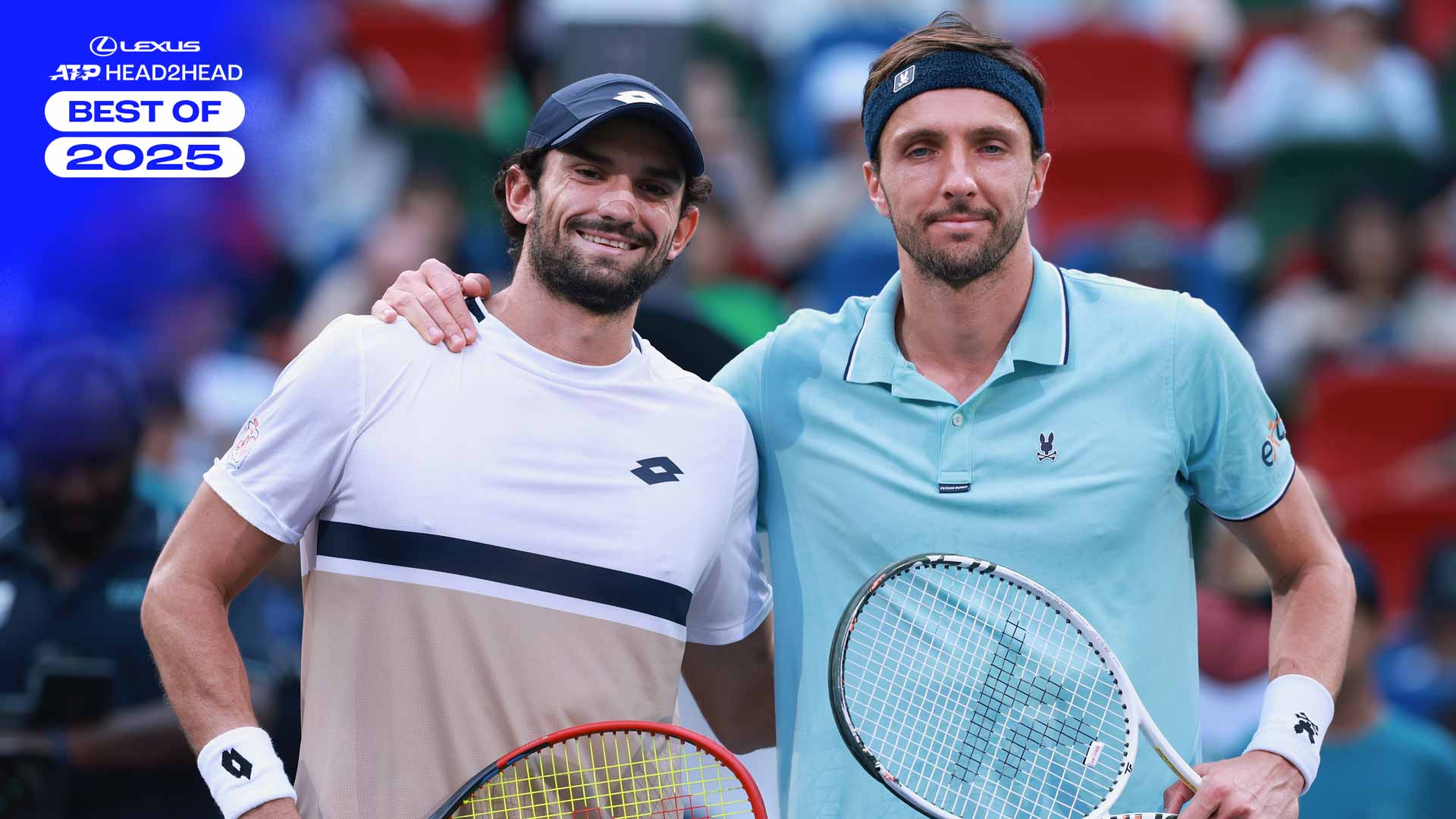
Even cousin Valentin Vacherot adds to the familial surge here, advancing to the semi-finals and creating a shared energy that amplifies Rinderknech’s focus amid the Shanghai roar. Looking ahead, he has already begun planning beyond the baseline, drawing on his Texas A&M business degree through the ATP Player Mentoring Programme, where guidance from Havas executive Denise Melone opened doors to communications and networking. This forward thinking frees him to play with looser shoulders, redirecting crosscourt with precision when the crowd leans in during deuce points.
Upsets redefine major moments
Rinderknech’s season ignited with breakthroughs that shattered long-held barriers, starting with his first Top 10 victory over Ben Shelton at The Queen’s Club, where slice backhands disrupted the American’s booming serves on grass. Weeks later, he extended that to a five-set thriller against Zverev at Wimbledon, employing underspin to neutralize the German’s baseline power and earning his second elite scalp. Repeating the upset in Shanghai—his third Top 10 win—highlights a tactical evolution, mixing down-the-line passes with defensive depth to outlast foes in humid rallies.
That upset artistry peaked at the US Open in August, where after 19 prior majors stuck at the third round or earlier, he pushed to the fourth for the first time, toppling Roberto Carballes Baena with deep returns, outdueling Alejandro Davidovich Fokina in extended exchanges, and edging compatriot Benjamin Bonzi through net-rushing aggression. The run ended against champion Carlos Alcaraz, but not before proving his mettle under New York’s intense lights, where high bounces favored his topspin forehands. As he prepares for Auger-Aliassime, whose inside-in forehands demand quick slices and transitions, Rinderknech’s blend of family-fueled grit and hard-court adjustments positions him to extend this surge, potentially reshaping his career trajectory one resilient point at a time.