Eala’s Berlin Semifinal Exit Leaves Tactical Lessons

Nosková’s serve and return edge ended Alex Eala’s run on the Berlin lawns, yet the grass swing still holds promise at Bad Homburg.
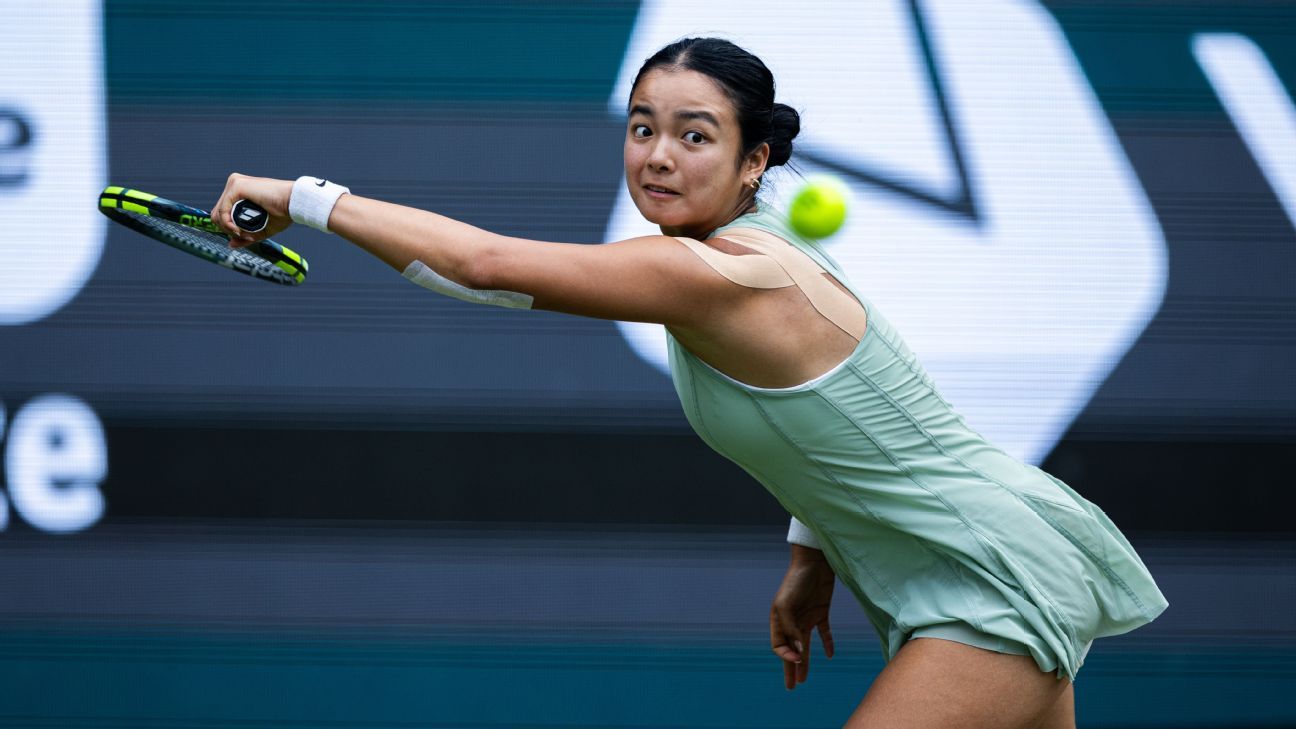
Nearly a year after coming within a match of capturing her first WTA title at 2025 Eastbourne Open Finals, Alex Eala fell short of replicating a breakthrough final appearance on an even-bigger stage in Berlin.
Despite a rain delay, it did not deter Linda Nosková, as she dealt the Filipina tennis sensation a 6-2, 6-4 semifinal loss in the Berlin Open early Sunday morning (Philippine time) Steffi Graf Stadion.
Serve edges tilt opening exchanges
The opening set unfolded with repeated service breaks that tested mental resets. Nosková claimed two breaks while Eala managed one, creating an early 2-1 lead for the Czech. Both players held serve for the next three games before another break shifted momentum further.
That pattern reflected the broader weight of expectations carried into the match. A prior straight-sets defeat at Indian Wells had already set a 2-0 head-to-head deficit. The Berlin crowd noise rose with each hold, forcing tighter focus on first-serve placement to avoid compounding errors under scrutiny.
Nosková closed the set by breaking once more in the seventh game and sweeping the final three. Her five aces against one from Eala created a 15-5 edge in first-serve points won, turning the delivery into a psychological buffer that limited return pressure.
The Czech world No. 13 leaned on a 1–2 pattern that mixed flat first serves with inside-out targets, denying Eala time to set up crosscourt rallies on the slick grass. Those numbers reflected more than raw power; they showed how the higher bounce on grass allowed her delivery to skid low and force defensive slices that Eala struggled to redirect down the line.
Resilience meets stronger response
The second set began with traded holds before Nosková broke in the third game to lead 3-1. Eala answered with three straight games of her own, including a sixth-game break that briefly put her ahead 4-3. The swing demonstrated the same fight that carried her past earlier opponents this week.
Yet Nosková raised her level again with three consecutive games and a decisive ninth-game break. She finished the match by holding serve, completing a 17-8 advantage in return points won overall. That return dominance stood in contrast to Eala’s victories over Elena Rybakina and Elina Svitolina, where the Filipina consistently controlled the return exchanges.
The match exposed how accumulated schedule demands can compress recovery windows between high-stakes encounters. Early breaks in both sets forced constant tactical adjustments, with Nosková using heavy first serves to dictate crosscourt patterns and prevent inside-out opportunities. On this faster court the same aggressive returns met a serve that kicked higher after the rain, turning potential winners into long rallies Nosková won with steady depth.
Grass rewards the player who can vary slice and flat pace, a skill set Nosková refined during her Australian Open quarterfinal run. Eala countered by winning three straight games, using heavier topspin to push returns deeper and force errors. That brief surge hinted at a tactical shift toward more inside-in forehands, yet the adjustment arrived too late to change the return-points ledger.
Grass swing shifts to fresh venue
Eala’s grass-court campaign continues at the Bad Homburg Open, where she opens her tournament against Elise Mertens in the round of 32. The quicker surface may reward cleaner one-two combinations and slice approaches that reduce the margin for error seen in Berlin.
Mental recovery will hinge on isolating service games and rebuilding return aggression after the 17-8 deficit. Mertens brings her own slice-heavy game that could test whether Eala has solved the low-bounce problems exposed in Berlin. A strong showing there would still mark tangible progress on the surface even after this semifinal exit.
The loss keeps Eala outside the top 30 while Nosková strengthens her case for a seeded spot at Wimbledon. Surface considerations matter here as the European swing continues, with each match offering fresh data on how to blend power and placement under shifting conditions.