Eala Opens Wimbledon With Sharp Return Play

The Filipina builds early control on grass by stepping inside the baseline and turning second serves into immediate weapons against a familiar foe.
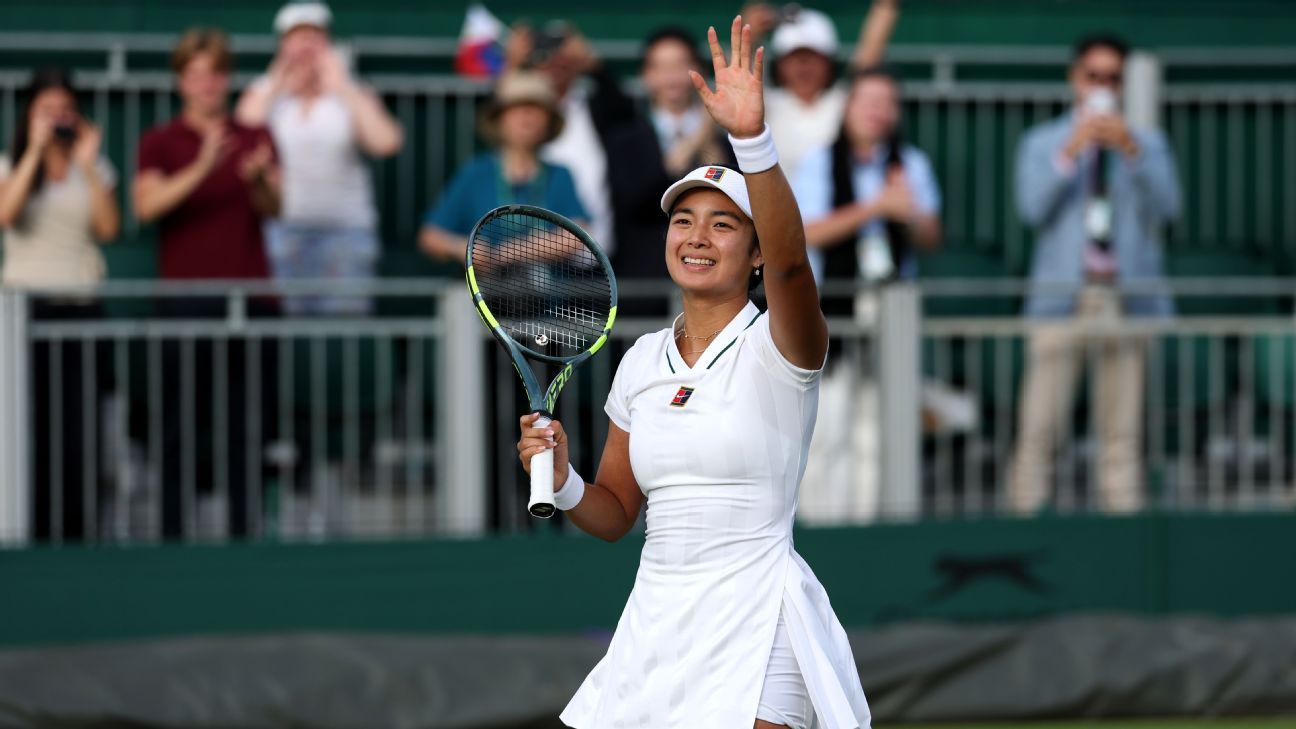
Alex Eala stepped onto the Wimbledon grass with the weight of incremental gains and heightened scrutiny pressing on every swing. The opening set against a familiar foe unfolded as a study in controlled aggression, where each hold and break reflected the mental reset she had carried from hard courts into the lawns of the All England Club.
Return positioning disrupts opponent rhythm
Renata Zarazúa entered the match with a solid first serve, yet Eala neutralized it repeatedly by stepping inside the baseline on second deliveries. This adjustment produced an 8-2 edge in second-serve points won and kept the Mexican from settling into crosscourt exchanges. The opening set highlighted the shift as Eala held at love in game one, then broke in the fourth to lead 3-1.
Even when Zarazúa forced extended rallies in games five and six, the Filipina converted her tenth break-point chance to reach 5-1 and closed the set 6-1 without further resistance. Her ability to win 20 first-serve return points compared with only six for her opponent underscored how the surface rewarded early contact and heavy topspin inside-out forehands.
View this post on Instagram (14) captured the baseline pressure that defined the contest. The 21-year-old showed no visible frustration when extended rallies developed, suggesting season-long adjustments had begun to quiet internal noise that once accompanied early-round Grand Slam appearances.
Hard-court lessons transfer to new surface
Clara Tauson supplied the belief that a young career could sustain itself across surfaces when the tactical plan stayed consistent. That earlier three-set breakthrough at the 2025 US Open had already shown capacity to handle pressure; on grass the same composure appeared in a more efficient 1–2 pattern that limited Zarazúa’s time to counter.
At world No. 75, Zarazúa possessed enough power to trouble lower-ranked players, but Eala’s grass-specific tweaks—flatter trajectories and quicker recovery steps—prevented the Mexican from finding her preferred inside-in angles. The straight-sets margin reflected those adjustments more than raw power. Momentum carried cleanly into the second set as Eala broke in the second game, then surged again with a fourth break in the sixth to reach 5-1.
Both players held the rest of the way, and Eala served out the 6-2 finish with the same measured tempo that had opened the match. The victory marked her second Grand Slam main-draw win and served as sweet revenge after the 2024 ITF Cary Tennis Classic defeat.
Next test carries familiar tactical questions
Maya Joint awaits in the second round after the Australian saw off Serena Williams 6-3, 6-7 (6), 6-3 in the first round. Their 2025 Eastbourne final remains fresh in memory, yet the surface and stakes differ markedly here. Joint’s slice backhand and occasional drop-shot variations will demand further tweaks from Eala, particularly on the return of serve.
The grass at Wimbledon rewards players who can transition from defense to inside-out attack within one or two shots, a skill Eala displayed consistently against Zarazúa. With the draw opening up, the early-week performance suggests tactical growth on the surface is keeping pace with the physical demands of best-of-three sets. The next match will reveal whether those adjustments scale against higher-ranked opponents who also read the low bounce quickly.