Draper’s Fresh Start with Delgado After Trotman’s Exit

Recovering from a season-ending injury, the young Briton swaps a close ally for a coach with championship credentials, setting the stage for tactical evolution on the road back to the top.
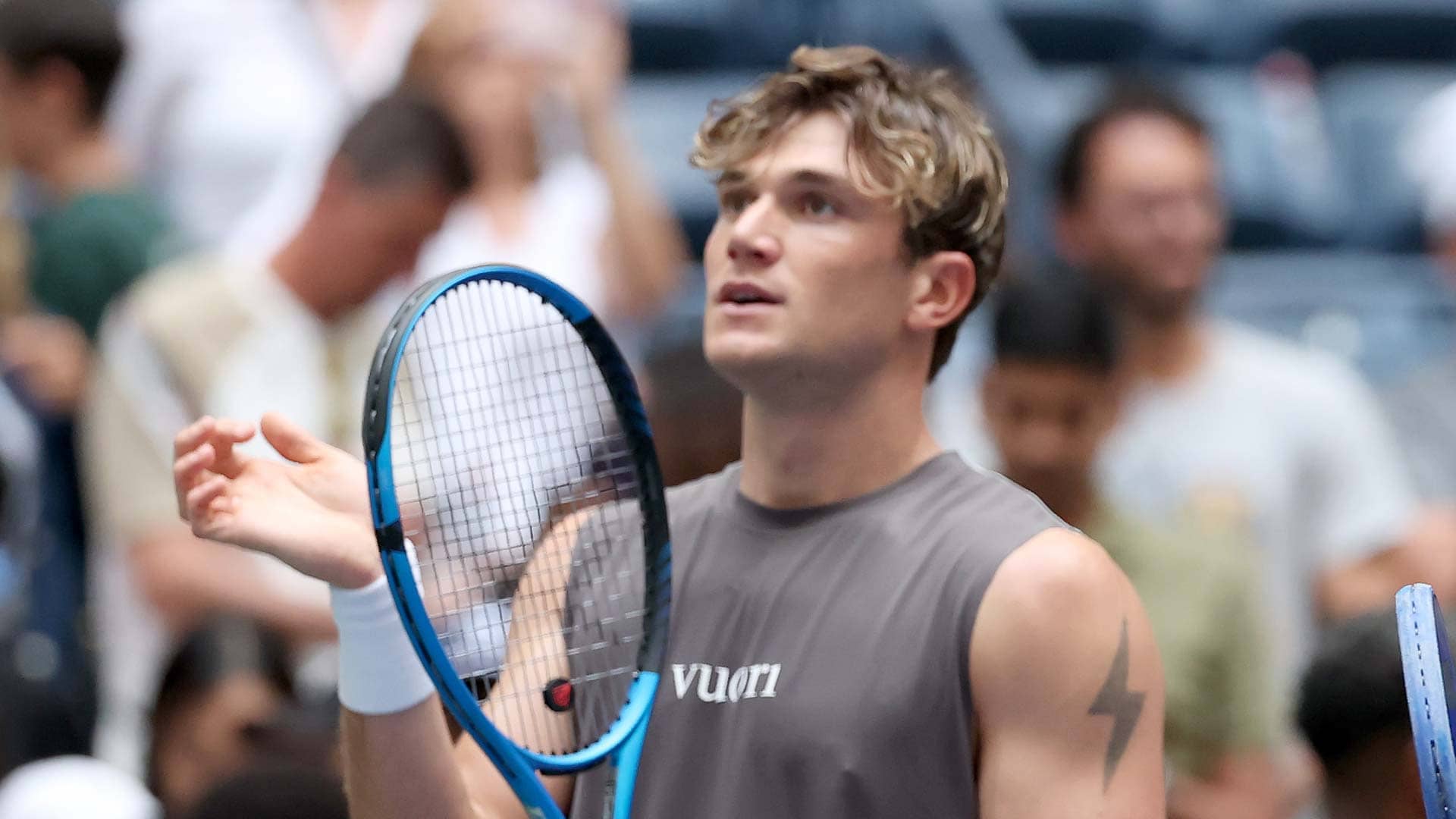
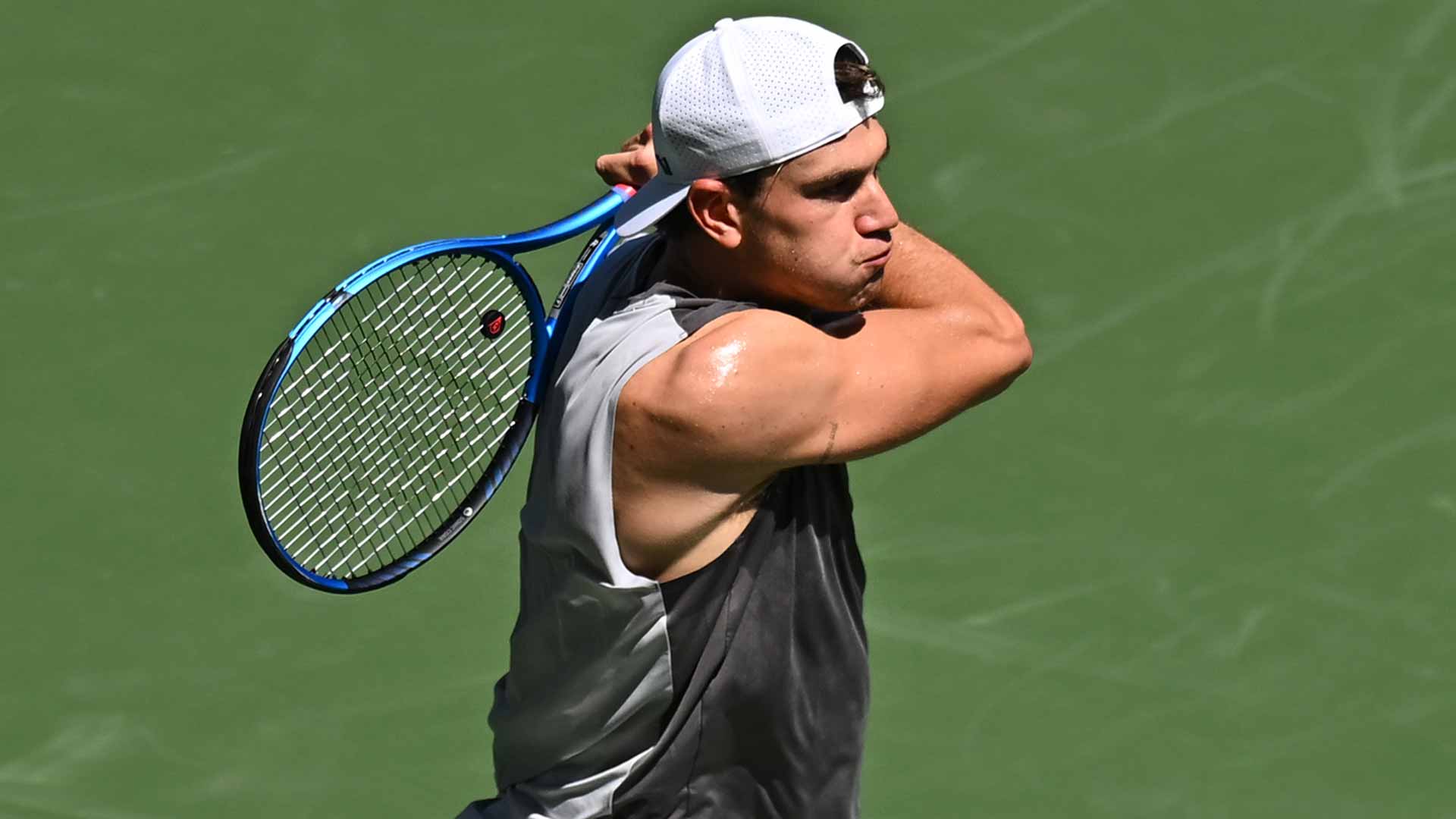
When Jack Draper returns to the ATP Tour in 2026, the Briton’s team will have a different feel. The 23-year-old, sidelined by a left arm injury after the US Open, now looks ahead with renewed purpose amid the quiet of rehabilitation. His game, marked by powerful groundstrokes and rising intensity, faces a pivotal reset as he heals.
Parting ways with Trotman
James Trotman, Draper’s longtime coach, steps away to prioritize family life, ending a partnership that spanned four demanding years on the circuit. Together, they captured three tour-level titles, including triumphs in Stuttgart and Vienna, while guiding the Briton to his first ATP Masters 1000 victory in Indian Wells that March. Trotman’s influence extended beyond tactics, fostering a bond forged in the heat of rallies and the solitude of travel, as he helped Draper ascend to British No. 1 and a career-high No. 4 ranking by June.
The coach’s reflections highlight the personal depth of their collaboration. In a BBC Sport article, Trotman shared insights on their closeness.
“My relationship with Jack is strong. We are extremely close,” Trotman said. “We spent more time with each other than anybody else on the planet over the past four years. We are going to stay incredibly close and obviously I’ll be following and supporting in any way I can from the sidelines.”
“Whatever Jack does in the future, I feel incredibly proud of the work that I’ve done,” he added. “And where Jack is now is not just as a result of me, it’s a result of everybody that’s worked with Jack and his family from a young age.” This farewell carries emotional weight, echoing the tour’s relentless pace that tests not just players but their inner circles.
Delgado enters with proven insight
Jamie Delgado joins as the new coach, bringing experience from his time with Andy Murray from 2016 to 2021, where he refined return strategies against dominant serves on Wimbledon’s grass. Most recently, Delgado spent three years with Grigor Dimitrov, ending last month after sharpening the Bulgarian’s backhand slices and down-the-line shots to navigate clay’s deliberate tempo. Earlier, he coached Gilles Muller, emphasizing aggressive net rushes and underspin lobs that disrupted baselines in European events.
This hire promises tactical refinements for Draper‘s arsenal, potentially blending his one–two combinations with more varied crosscourt depths to counter top-10 endurance. On surfaces like the indoor hard courts of Vienna, where he thrived under Trotman, Delgado’s adjustments could enhance serve-volley transitions, preserving energy in longer exchanges. The shift arrives as Draper mends, turning recovery sessions into opportunities to integrate these patterns amid the off-season’s focused drills.
Reshaping for sustained contention
The overhaul reflects a young player’s drive to adapt, channeling the frustration of an abbreviated 2025 into momentum for the next campaign. With his arm strengthening, Draper eyes selective scheduling that leverages Delgado’s expertise on grass and clay, where past vulnerabilities in footwork might yield to sharper inside-out forehands and patient rally construction. The psychological edge from this transition—swapping familiarity for fresh perspectives—positions him to defend key points from Indian Wells while chasing deeper runs in majors.
As the Briton prepares for 2026, the atmosphere hums with possibility, the court’s familiar lines now a canvas for evolved strategies under new guidance. Fans anticipate how these changes will unfold in high-stakes atmospheres, from the sunlit baselines of spring Masters to the charged crowds of autumn indoors, fueling Draper’s bid for lasting impact on the tour.