Draper taps Delgado to rebuild amid arm setback

With his left arm still mending from a summer of frustration, Britain’s top player brings in a coach versed in comebacks to sharpen his game for the road ahead.
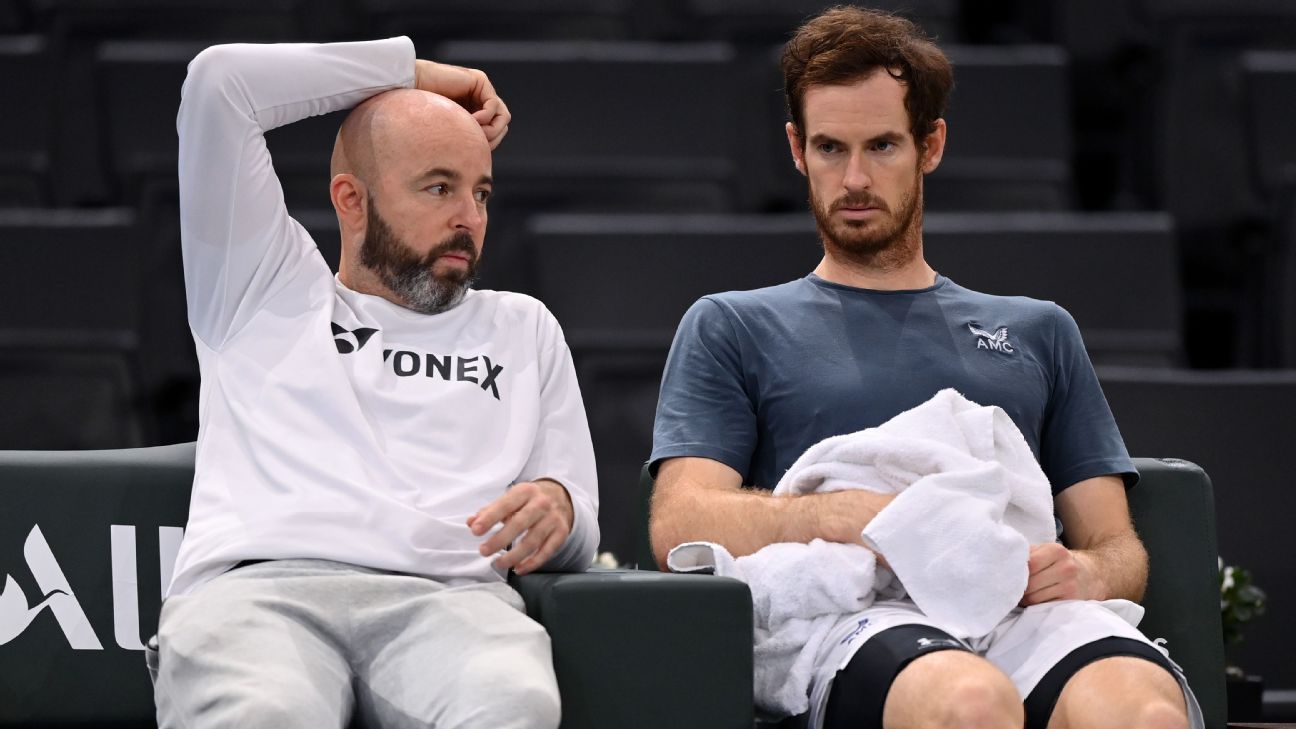
Jack Draper faces the quiet grind of recovery, his powerful left-handed strokes sidelined by bone bruising that cut short a season brimming with potential. The British No. 1’s early Wimbledon exit lingered like a shadow, followed by a painful withdrawal at the US Open, leaving him with just one match since the grass courts. Now, as autumn turns to winter, he welcomes Jamie Delgado as his new lead coach, a shift that promises tactical evolution and mental clarity in the face of mounting expectations.
Delgado steps in as guiding force
This partnership marks a deliberate pivot, with James Trotman staying involved but handing over the traveling reins to Delgado so he can focus on family. The 48-year-old coach, a former Davis Cup player with 23 straight Wimbledon appearances, brings a pedigree forged in high-pressure environments. He joined Andy Murray’s team in 2016, working alongside Ivan Lendl during the Scot’s most triumphant run, and remained until the end of 2021, helping navigate the peaks and valleys of elite competition.
Delgado’s recent work with Denis Shapovalov and Grigor Dimitrov underscores his knack for unlocking consistency in volatile talents. Shapovalov hailed the steadying influence that refined his aggressive baseline play, while Dimitrov credited adjustments that bolstered his all-court finesse after their collaboration wrapped last month. For Draper, whose game pulses with inside-out forehands and net approaches, this hire injects fresh patterns, like varying slice depths to disrupt returners on faster surfaces.
Recovery fuels tactical reinvention
The arm injury, diagnosed after Draper’s second-round stumble at the All England Club, forced an abrupt season close and dropped him to eighth in the rankings, erasing chances at a first ATP Finals berth. Preseason sessions will prioritize rebuilding strength without overtaxing the joint, blending Trotman’s foundational drills with Delgado’s matchup-specific tweaks. Imagine Draper channeling one-two combinations—booming serves setting up crosscourt winners—tailored to exploit weaker backhands on hard courts, where endurance often tips the balance.
Delgado’s experience from Murray’s era emphasizes recovery rhythms, crucial for Draper’s transition from grass’s quick bounces to the grinding tempo of indoor events. The coach’s insights could introduce more underspin on second serves to ease arm strain during long games, turning vulnerabilities into controlled aggression. As the young Brit tests these shifts in lighter practice sets, the psychological edge sharpens, transforming isolation into purposeful preparation.
London return ignites comeback path
The duo’s work kicks off in preseason, building toward Draper’s reentry at December’s Ultimate Tennis Showdown Grand Final in London. Under the O2 Arena’s charged atmosphere, home fans will witness his first competitive steps since the hiatus, gauging progress in fast-paced formats that echo ATP intensity. This stage sets the tone for 2026, where refined transitions—from defense to down-the-line passes—could propel him back toward the top five.
With Delgado’s resilient blueprint, Draper eyes not just healing but a redefined presence on tour, where every rally carries the weight of unfinished business. The arm may still ache in quiet moments, but the court’s pull grows stronger, promising a winter of reinvention that echoes the grit of those who came before.