Djokovic draws motivation from Williams return at Wimbledon

As the All England Club prepares for another chapter of legacy and ambition, Novak Djokovic finds renewed drive in Serena Williams comeback while sharpening his own grass-court patterns ahead of a potential record chase.
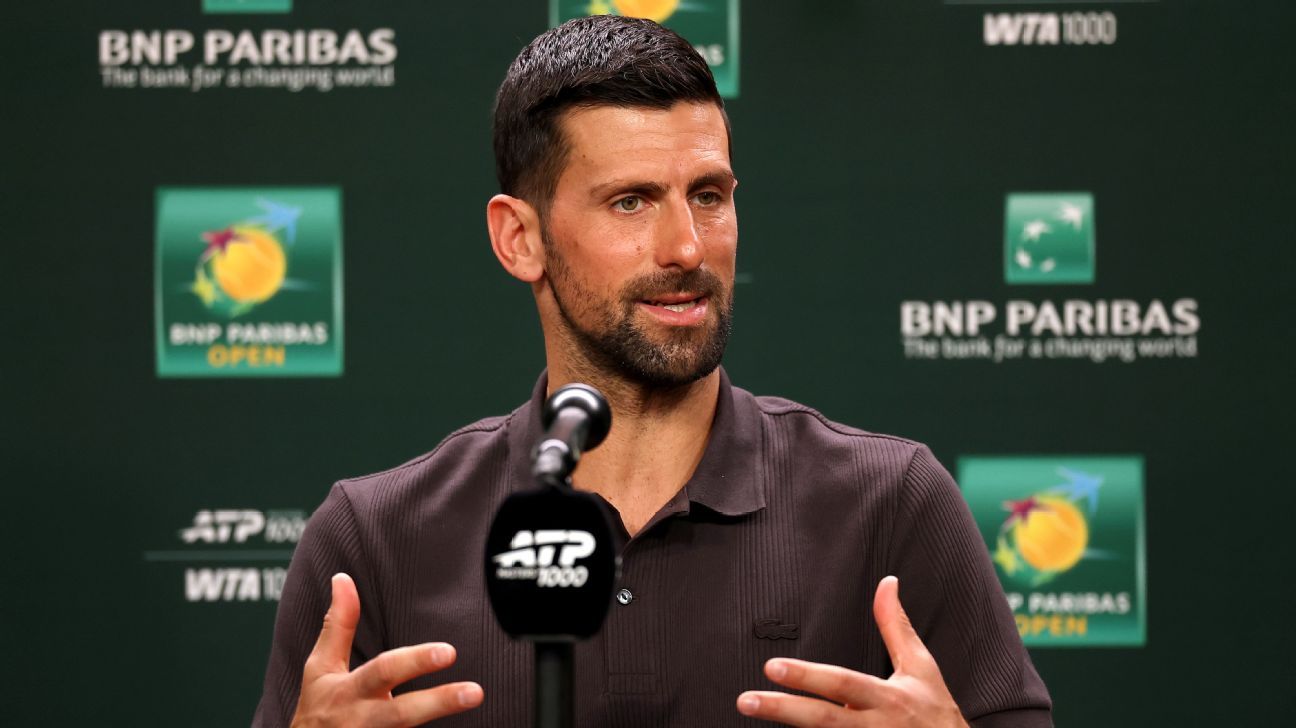
The air at the All England Club carries extra weight this year as veterans and rising talents navigate shifting physical demands and the lure of history on the fast lawns.
Novak Djokovic senses the same currents that once fueled his climbs now testing younger legs while his own body demands careful calibration after limited play. Serena Williams steps onto the lawns for the first time in four years at age 44, carrying the weight of a record 23 major titles and the expectations that accompany any return after raising two children. Her presence forces every opponent to recalibrate tactics, knowing the 1–2 pattern she once deployed with heavy topspin crosscourt shots can still disrupt rhythm when executed with intent.
“First and foremost, what she’s doing is inspirational and it’s epic. That’s what I told her,” Djokovic said of the effort visible daily in the gym.
Venus, 46, joins her in doubles against Camila Osorio and Solana Sierra, adding another layer of family legacy that echoes through locker-room conversations. The schedule places Serena Williams first against Maya Joint, a test that will reveal how much timing has returned after the long absence.
Grass patterns reward early aggression
Coco Gauff, the No. 7 seed, traces her own belief in the sport directly to the Williams sisters, noting how their journeys shaped her willingness to chase big targets on grass. The No. 1 Aryna Sabalenka watches the same narrative unfold, recognizing how the added attention lifts the entire event without altering the tactical demands inside each point. Ben Shelton voiced similar admiration, highlighting the focus required at 44 to chase results rather than simply appear.
Novak Djokovic enters against Wu Yibing after a French Open loss to Joao Fonseca that exposed the physical toll of three long matches. The shoulder issue has restricted his match count, yet he reports feeling sharper on the faster surface where slice and inside-out patterns have historically rewarded his movement. Mirra Andreeva, fresh from her French Open title, admitted scanning the draw with nervous anticipation, aware that facing Serena Williams would test composure regardless of current form.
Shoulder recovery meets grass adjustments
The psychological thread runs through both campaigns: Djokovic balances the pursuit of a 25th major against the rise of Jannik Sinner and Carlos Alcaraz, while Williams channels years away into deliberate daily work that teammates notice more now than during her peak. Each has spoken of enjoying the process, yet both understand that grass rewards those who convert early pressure into sustained patterns rather than isolated winners. Djokovic noted the contrast with Roland Garros, where matches stretched near four hours and drained reserves, leaving him convinced that Wimbledon preparation has left him better positioned to sustain intensity across longer exchanges.
The crowd energy at the All England Club tends to amplify when veterans impose their tempo early, a factor both players have used to their advantage in past runs. Limited matches this season mean each practice session on the lawns carries extra weight for timing the one–two combinations that open the court. The recent shoulder issue forces shorter sessions focused on serve placement rather than extended rallies. Draw dynamics test veteran endurance as Williams holds a record 23 major titles and will lean on crosscourt heavy topspin to pull opponents wide before finishing down-the-line.
Motivation flows both ways in locker room
The four-year absence means early rounds serve as calibration for rhythm on a surface that punishes hesitation. Doubles scheduling alongside singles adds recovery considerations that younger teams rarely face. Tactical tweaks around underspin approaches and net positioning could extend their stays, turning inspiration into measurable results on the fastest major surface. Djokovic described feeling better prepared on grass than on clay, where three long matches drained physical reserves. The 39-year-old favors slice backhands and inside-in patterns that stay low on the turf, preserving energy across potential five-set battles.
Overall seeding and points calculations hinge on how far each veteran advances before the draw opens further opportunities for emerging players. Jannik Sinner and Carlos Alcaraz continue their rise, yet Djokovic’s history at the tournament supplies an edge in reading wind-affected trajectories and adjusting volley depths. Mirra Andreeva admitted nervousness at the prospect of facing Williams, highlighting how draw placement influences tactical scouting on this surface. The low bounce and quick pace of the All England Club courts will reward precise footwork and early ball striking after the shoulder limited recent outings.