Dimitrov’s Amicable Split Signals Court Comeback

Emerging from injury’s shadow, the 34-year-old Bulgarian bids farewell to his coach, channeling recovery’s lessons into a poised return on Shanghai’s hard courts.
Dimitrov's Amicable Split Signals Court Comeback
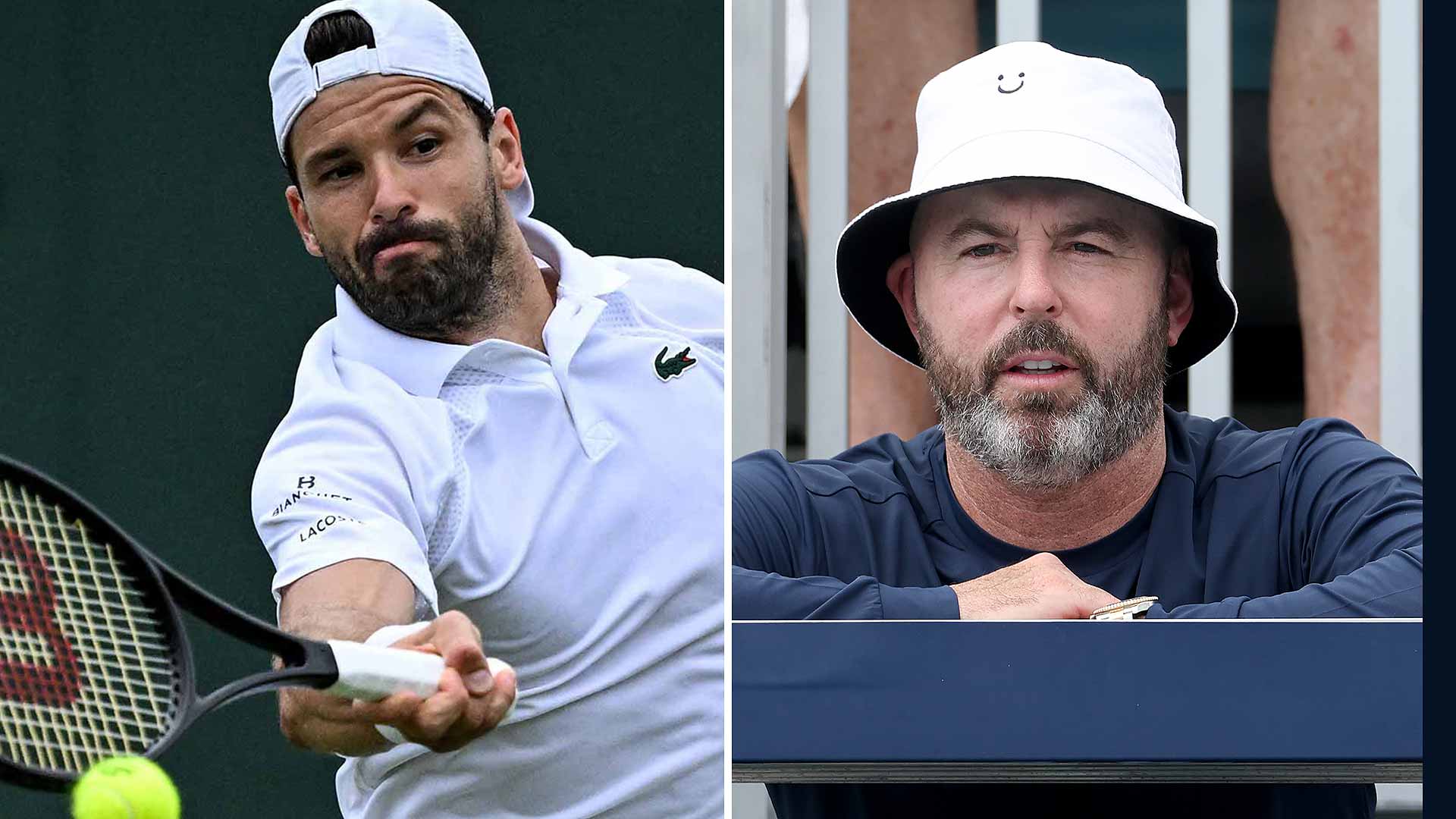
In the quiet aftermath of a sidelined summer, Grigor Dimitrov has chosen to redefine his path, parting ways with longtime coach Jamie Delgado. This move arrives as the elegant right-hander, absent since Wimbledon’s green expanse, sharpens his focus on a pectoral muscle that betrayed him mid-match. With autumn’s hard-court swing underway, the split feels like a deliberate exhale, blending physical mending with mental recalibration for the battles ahead.

Injury fractures mid-summer momentum

The pectoral strain hit during the Wimbledon fourth round, where Dimitrov held a two-set lead over Jannik Sinner before retiring abruptly, the Italian going on to claim the title. That moment on the grass silenced the crowd’s building roar, leaving his fluid one–two—serve curving wide, forehand whipping inside-out—hanging incomplete. The Bulgarian’s absence rippled through the season, capping a 17-11 record that belied flashes of his old artistry on faster surfaces, and ending a remarkable streak of 58 consecutive Grand Slam appearances at the US Open’s hard courts.
After a few years and great achievements together, Jamie Delgado and I have decided to part ways amicably. I wish him the best in his future endeavours. I’m excited to start fresh after this time I’ve dedicated fully to my recovery. I’m looking forward to coming back to play soon.
He penned those words on social media Tuesday, his tone carrying the weight of reflection after months in recovery’s grip. Ranked 28th in the PIF ATP Rankings, the 2017 Nitto ATP Finals champion now confronts the tour’s unforgiving math, where points from prior runs dangle as opportunities for ascent.

Coaching bond closes with mutual respect

Delgado’s tenure brought tactical depth to Dimitrov’s game, honing those crosscourt backhands that slice low and disrupt on clay or hard courts alike. Their partnership, spanning several years, yielded nine ATP titles, moments where psychology intertwined with precision—threading down-the-line passes amid arena lights and fervent cheers. As the injury demanded undivided attention, the duo sensed a natural endpoint, allowing each to pivot toward new horizons without lingering friction. This amicable separation, shared via a simple post, underscores a mind unencumbered, eager for fresh input amid the tour’s psychological undercurrents. Without Delgado’s steady voice, he envisions subtle shifts: deeper returns to blunt big serves, varied underspin on the backhand to vary tempo and shield the shoulder’s caution. The air in training sessions now hums with solitary purpose, echoes of past inconsistencies fading against a resolve forged in quiet drills.

Shanghai ignites renewed tactical fire

Starting October 1, the Shanghai Masters unfolds on Plexicushion that skids balls low, rewarding aggressive inside-in forehands and net rushes over drawn-out crosscourt exchanges. Here, under humid skies and pulsing crowd energy, Dimitrov can rebuild rhythm, easing into rallies that test his adjustments against top foes like Sinner’s flat power or Alcaraz’s explosive one–two. The neon-lit courts promise a stage for redemption, where his elegant footwork might dance once more, blending slice lobs with topspin drives to counter the surface’s speed. This return carries more than physical healing; it’s a psychological leap, the nine-time titlist stepping forward with autonomy’s edge. As stadium lights cast long shadows, the Bulgarian’s game feels poised for harmony—forehands soaring, serves biting, the baseline’s tempo syncing with a soul reset for the late-season push.
Grigor Dimitrov2025

Related Stories

Latest stories

View all