Jack Draper’s Injury Delays Australian Open Return

The British No. 1’s bruised arm sidelines him from Melbourne’s hard courts, testing his resolve after a year of mounting setbacks.
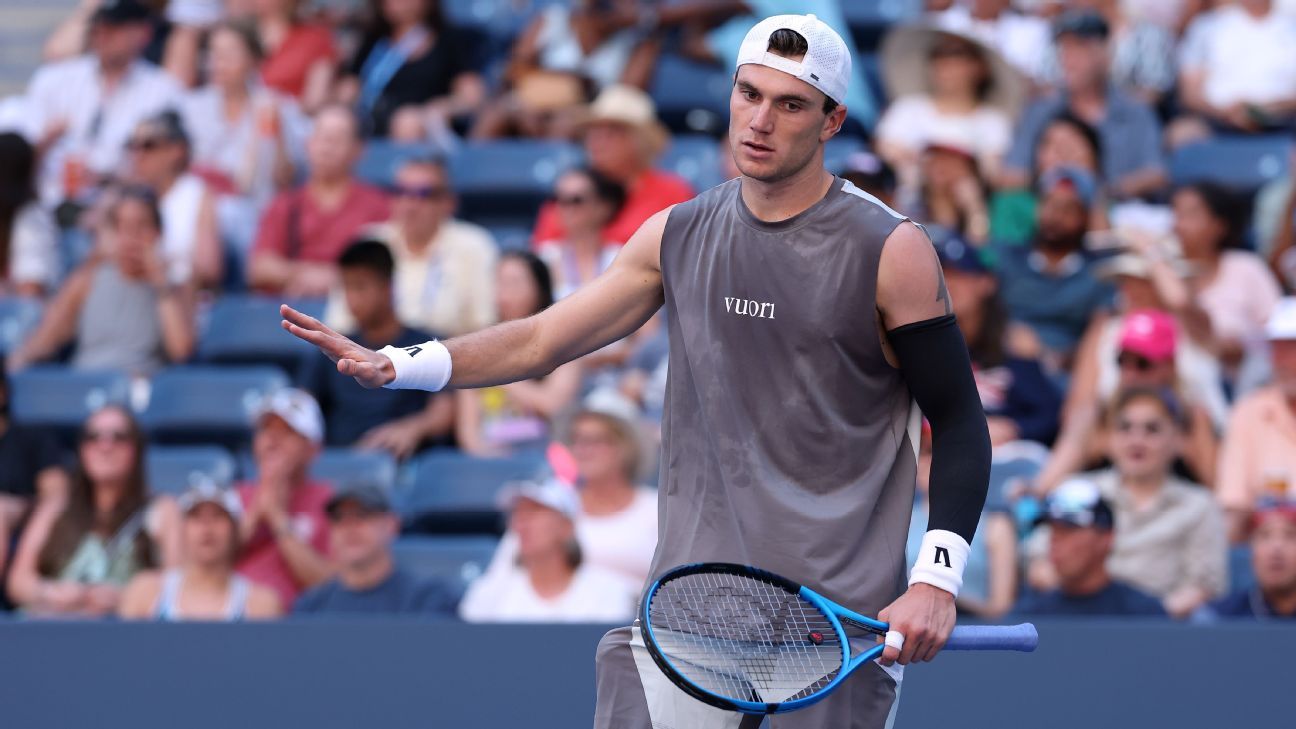
Jack Draper’s left arm, a pillar of his booming serves and whipping forehands, now enforces a reluctant pause. The British No. 1 Jack Draper has confirmed he will not play at the 2026 Australian Open, as he continues to recover from a bruised bone in his left arm. At 24, he’s charting a careful path back to the tour, having logged just one singles match since Wimbledon—a first-round win at the U.S. Open over Federico Agustin Gomez. He appeared uncomfortable on serve during the game, before later confirming he would withdraw from the tournament.
“Unfortunately, me and my team have decided not to head out to Australia this year. it’s a really, really tough decision, with Australia being a Grand Slam, it’s one of the biggest tournaments in our sport.”
The injury first surfaced at Wimbledon, diagnosed as a bruised bone after his second-round defeat to Marin Cilic. What began as nagging discomfort swelled into a season-long shadow, sidelining him from the rhythm of crosscourt exchanges and down-the-line passes that fuel his game. Ranked No. 10, Draper’s absence from Melbourne reshapes the draw, easing pressure on seeds who once braced for his lefty angles on the outer courts.
Arm’s grip tightens on hard-court rhythm
Draper‘s 2025 unfolded in fits and starts, the arm’s rebellion disrupting the one–two punch of serve and forehand that powered his rise. He eyed a return at the Ultimate Tennis Showdown in London’s Copper Box last month, but medical counsel urged more time, preserving his heavy topspin for surfaces less punishing than Plexicushion. The Australian Open’s main draw begins January 12, a date that now marks a spectator’s vantage rather than a competitor’s launch.
Hard courts amplify every twinge, demanding explosive serves that jar the frame on impact. For Draper, skipping Melbourne means recalibrating toward indoor events or clay, where lower bounce might spare his arm during extended rallies. Peers like those profiled in The best tennis players of 2025: Alcaraz, Sabalenka, Sinner and more, continue their dominance on the surface, their inside-out winners echoing in empty slots of the bracket.
Setbacks fuel deeper hunger
In a video on X, Draper’s tone carried the weight of accumulated frustration, yet edged with determination. “I’ve had this injury for a long time and, I’m at the end stages of the process, and to step back on court in best-of-five set tennis so soon just doesn’t feel like the smart decision, right now, for me and my tennis.” This latest hurdle, he noted, stands as the most intricate he’s faced, layering physical strain with mental recalibration.
Each withdrawal sharpens his focus, transforming quiet rehab sessions into mental drills for resilience. Britain’s top player, he’s leaned on fan support through sparse appearances, the encouragement a steady pulse amid the tour’s roar. When he steps back, expect tactical tweaks—perhaps more underspin on backhands to shield the arm, evolving his baseline aggression into versatile patterns.
Path clears for 2026 resurgence
“I’ve obviously been through a fair amount of setbacks so far -- but by far and away this one’s been the most difficult, the most challenging and complex one that I’ve had,” Draper reflected, his words bridging vulnerability and resolve. The psychological toll builds quiet fire, making him hungrier to reclaim his spot among the elite. “it’s weird, it always seems to make me more resilient, make me hungrier, to make me want to become the player I want to become even more. I’m looking forward to getting back out there in 2026 and competing.”
“I just want to thank everyone all the support in 2025. It means the world to me to be competing and to be playing out there on the tour with the other guys, and I’m looking forward to doing that again,” he added. As Melbourne’s humid air fills with baseline grinds, Draper’s story shifts to anticipation, his return poised to inject fresh intensity into the circuit’s pulse.