Boisson Chooses Recovery Over Australian Open Rush

A French Open semifinal breakthrough now collides with injury realities for Lois Boisson, as the young star skips Melbourne to safeguard her rising trajectory amid the tour’s relentless grind.
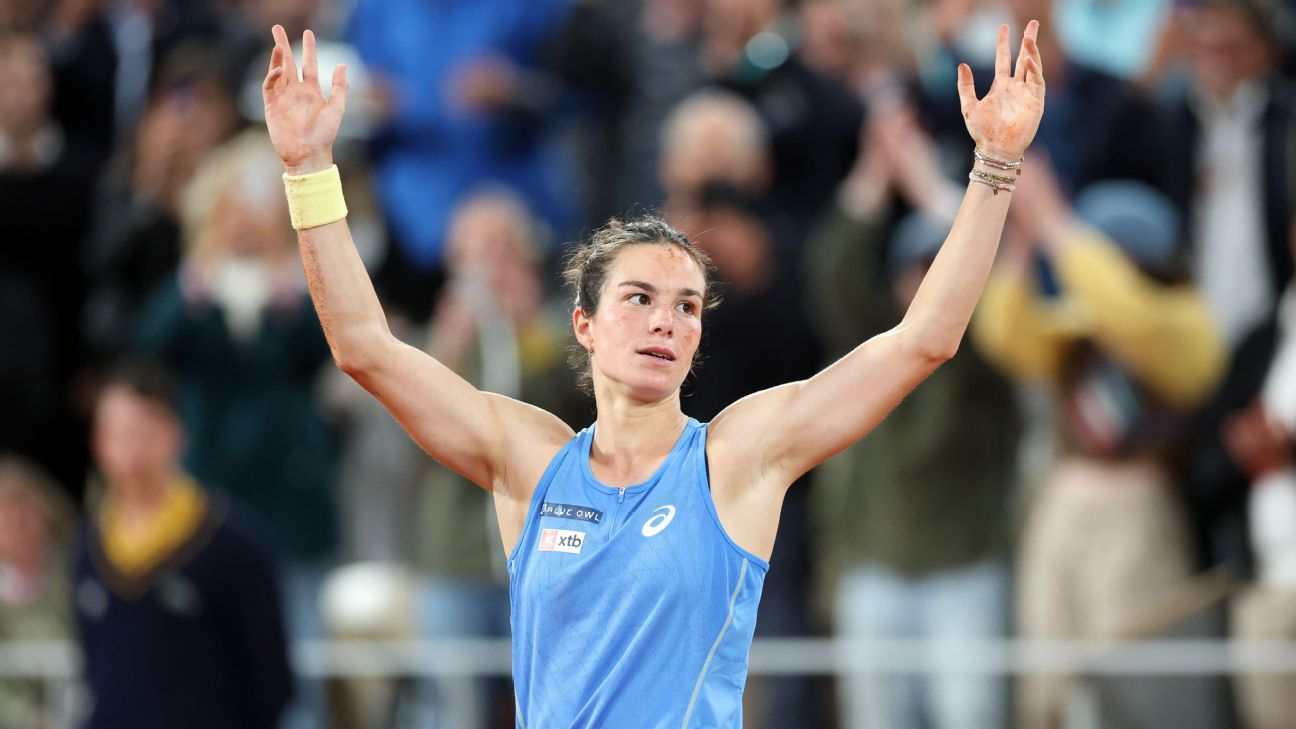
In the wake of her electrifying semifinal run at Roland-Garros, Lois Boisson faces an unwelcome pivot. The 22-year-old, ranked No. 35, has withdrawn from the Australian Open starting January 18, sidelined by injuries that have kept her off the court since late September. This calculated step back underscores the fragile balance young players navigate between breakthrough highs and physical demands.
Boisson’s Paris campaign last year marked her Grand Slam singles debut with authority, as she outlasted top-10 players Jessica Pegula and Mirra Andreeva in grueling baseline exchanges. Her heavy topspin forehands pinned opponents deep, forcing errors on the clay’s forgiving surface, before she bowed to eventual champion Coco Gauff in the semis. That surge built on relentless retrieval and crosscourt depth, but the transition to hard courts exposes vulnerabilities her body isn’t ready to mask.
“I tried everything to be ready on time,” she shared on Instagram. “But I know that rushing can harm my body and my health in the long term especially.”
Injuries disrupt hard-court transitions
Boisson’s ailments have muted the explosive movement essential for Melbourne’s Plexicushion courts, where quick first steps and stable footing enable inside-out forehands against aggressive returns. Clay marathons honed her sliding defense and one–two punch setups, but hard-court speed demands sharper adjustments to avoid overextension. By skipping the event, she avoids compounding strains that could derail her top-40 stability, especially with minimal points to defend from early 2025 exits.
The psychological weight of her Paris success lingers, yet pushing through at less than full capacity risks eroding the confidence forged in those crowd-roaring holds. Opponents like Pegula excel with flat serves and inside-in backhands on faster surfaces, styles Boisson would counter through varied slice approaches and down-the-line winners—tactics that falter without peak mobility. This pause allows targeted rehab to rebuild the stamina that powered her breakthrough.
Clay roots guide long-term strategy
With the European clay swing on the horizon, Boisson’s decision aligns her strengths where heavy topspin regains its bite in extended rallies. Roland-Garros’s slow tempo suited her grinding style, turning matches into endurance tests she dominated until the semis. Returning at 100% for the season’s remainder positions her to defend that semifinal magic without the volatility of untested hard-court matchups.
The tour’s unforgiving calendar amplifies such choices, as young risers like her balance ambition with bodily limits. Melbourne’s humid buzz will proceed without her undercard spark, but Boisson’s resolve hints at resilience amid the pressure to replicate early success. As she eyes tactical evolutions for grass and beyond, this withdrawal transforms setback into a foundation for sustained ascent.
Preservation fuels future firepower
Boisson’s maturity shines in prioritizing health over immediate spotlight, echoing how veterans navigate the circuit’s physical toll. Her absence reshapes draw dynamics, yet it frees her to refine patterns like the 1–2 combinations that neutralized Andreeva’s pace in Paris. Tennis thrives on those who heed warning signs, and her bet on full recovery promises a fiercer return when the stakes peak again.