Jeddah’s Next Gen Stars Absorb the Rules

With the Next Gen ATP Finals 2025 on the horizon, eight under-21 prospects in Jeddah unpack a format that tests speed and smarts, setting the stage for high-stakes group battles starting Wednesday.
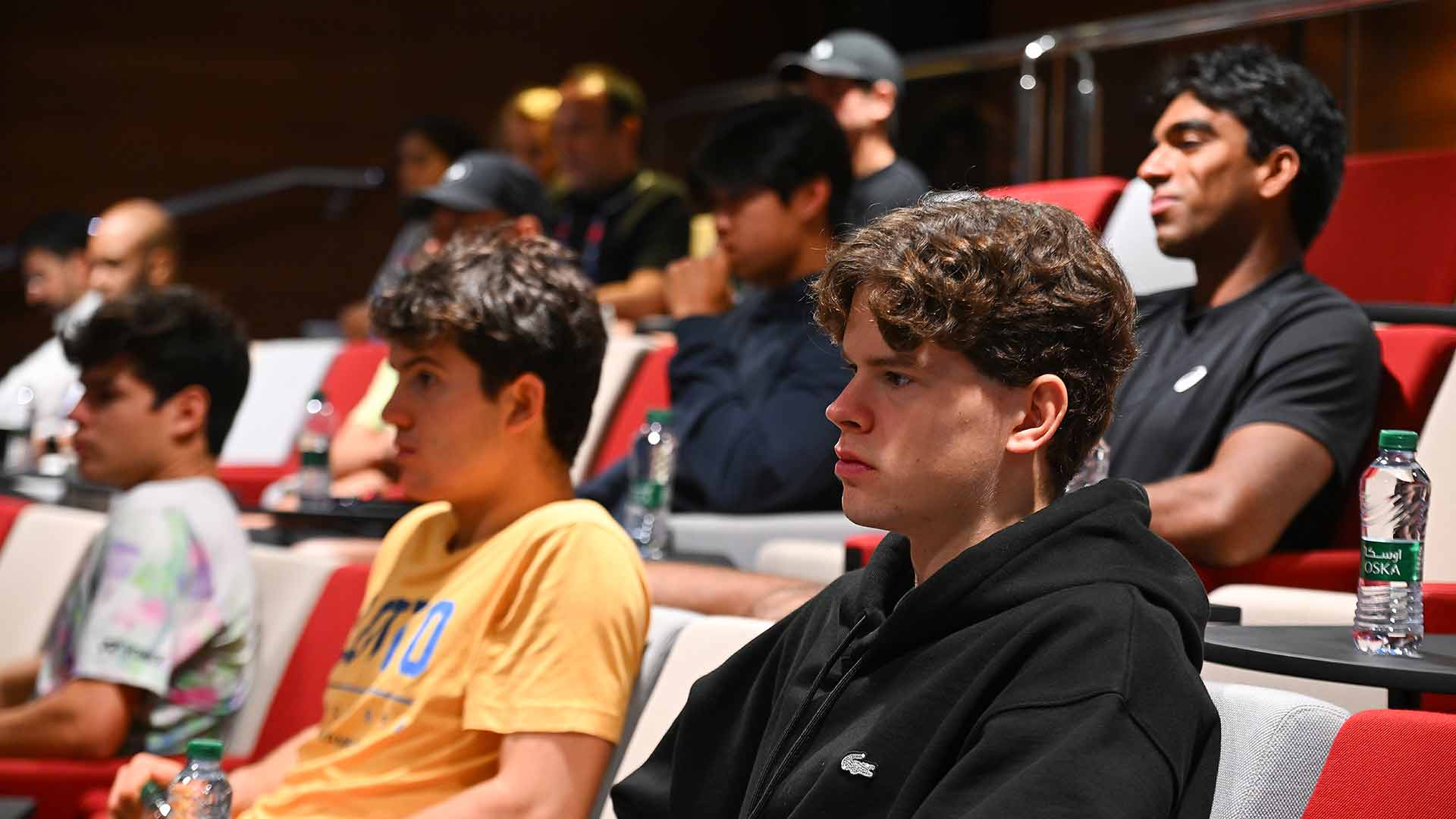
In Jeddah’s sun-baked arena precinct, the hum of preparation filled the air Tuesday. Eight of tennis’s sharpest under-21 minds gathered for a briefing on the Next Gen ATP Finals presented by PIF, dissecting the quirks that define this annual proving ground for the sport’s top 20-and-under talents. One day from the first ball, they traced the event’s arc from its 2017 Milan launch, absorbing rule tweaks designed to crank up the intensity on these indoor hard courts.
The session peeled back layers of innovation, from five sets played first-to-four games to a shot clock that caps the gap at eight seconds between first and second serves, and 15 seconds for points wrapping up in under three strokes. No-serve lets and a trimmed three-minute warm-up strip away the buffers, demanding instant fire from the baseline—think a crisp 1–2 where the second shot angles inside-out to jam the return. For players fresh off a season of grinding qualifiers and challengers, this setup sharpens focus, turning every exchange into a sprint where hesitation costs games.
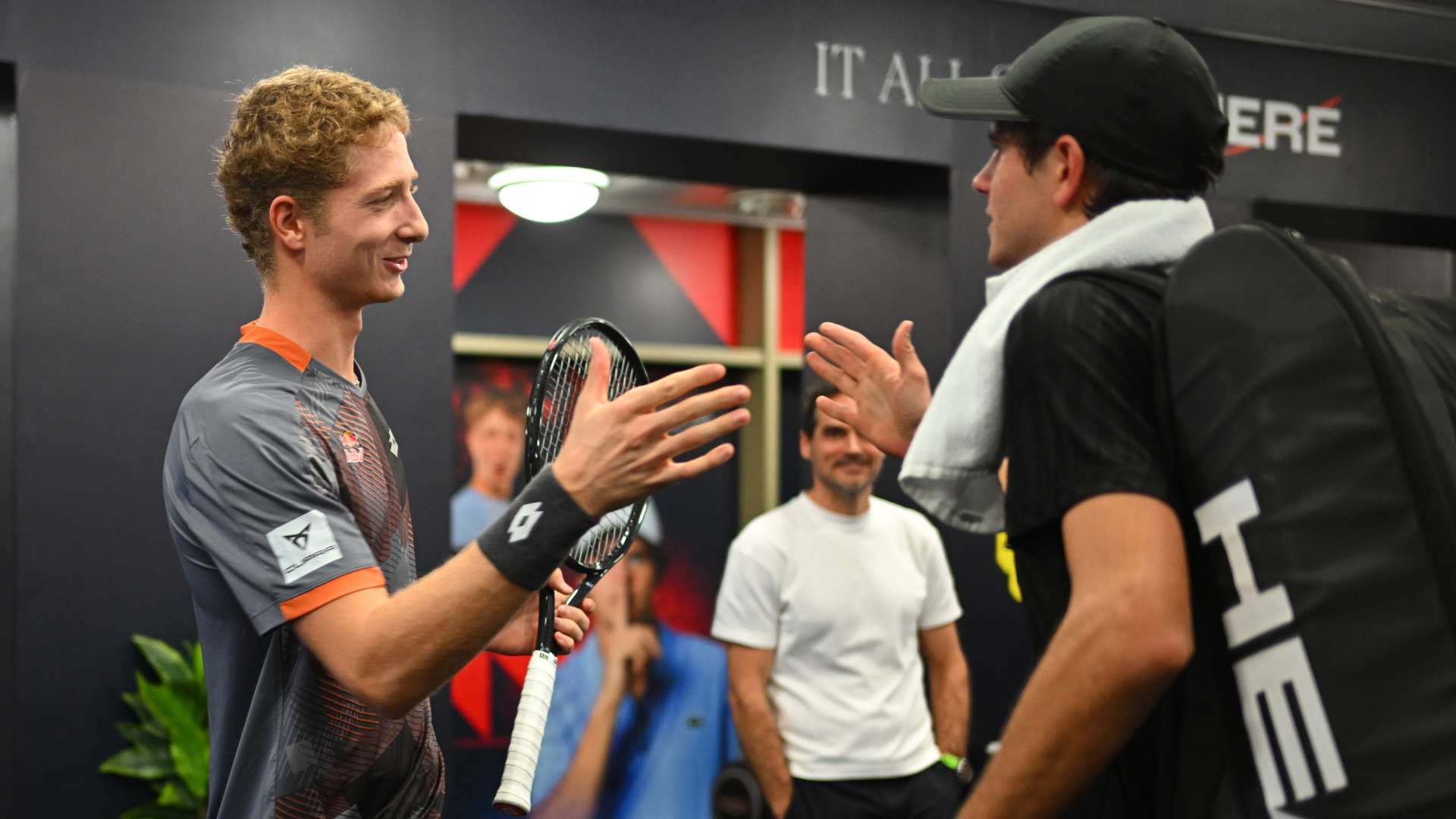
“it’s nice to be here and to know every rule and also all the things that the staff and everyone behind this big tournament have done for us over the whole year,” said Spain’s Martin Landaluce, who will make his Jeddah debut after serving as last year’s alternate. “it’s nice to be here and to meet the people who are working to make our life better.”
Landaluce’s take reveals the quiet gratitude threading through the room, a pause before the frenzy where these young athletes acknowledge the machinery propping up their pursuits. Yet the real edge lies in adapting to the pace: on Jeddah’s lively surface, heavy topspin down-the-line can pin foes early, while a slice backhand crosscourt disrupts rhythm in those hurried rallies. Coaches leaned in, mapping how to weave these constraints into aggressive patterns, knowing the format rewards those who seize the tempo from the opening service game.
Rules push for instant aggression
The first-to-four structure injects urgency, compelling serves to land flat and deep in the T to blunt returns before they build. Players must channel energy into sharper starts, like redirecting pace with an inside-in forehand off a short ball, rather than settling into longer baseline duels. Landaluce captured the appeal: “I like the rules. I like to play to four games; it makes the game dynamic and makes players try to start better and be more energetic.”
This shift tests mental steel after months of varied surfaces—clay slogs giving way to grass slides, now funneled into hard-court bursts. Free fan movement turns the crowd into a shifting force, their footsteps echoing like a pulse that mirrors the players’ racing hearts. it’s a psychological nudge: perform amid the roam, where wandering eyes amplify every unforced error in those tight sets.
Data sharpens mid-match tactics
Behind the lines, ATP Tennis IQ Powered by PIF streams live metrics to courtside tablets, arming coaches with breakdowns of opponent weaknesses—say, a backhand that falters against crosscourt angles. During on-court coaching windows, these nuggets guide adjustments, like tweaking a one–two to exploit a rival’s second-serve dip. Post-match, tagged video arrives with analytics, and a site analyst runs individual sessions to refine spins and footwork for the hard bounce.
For the field, this tech tide builds self-knowledge, turning season-long patterns into actionable edges without overwhelming the heat of play. Tournament Director Adam Hogg sees it as inevitable progress: “Sport is increasingly data driven, so providing these stats and analytics to players, teams and fans represents the future direction of the game.” Fans dive into in-arena stats too, from rally tempos to winner splits, fueling a vibe where the stands buzz with tactical chatter.
Groups brace for defining duels
Wednesday launches round-robin action in Blue and Red groups, semis Saturday, final Sunday—a compressed calendar where early breaks echo loud. Top seed and last year’s finalist Learner Tien heads Blue Group, facing Spain’s Rafael Jodar, Norway’s Nicolai Budkov Kjaer, and Landaluce in a mix of power baselines and gritty counters. Tien’s steady game could dominate short points, but Jodar’s topspin loops might stretch exchanges, forcing clock-tight decisions under the lights.
Red Group heats up with Belgian Alexander Blockx leading Croatia’s Dino Prizmic, American Nishesh Basavareddy, and 18-year-old German Justin Engel, the draw’s youngest. Blockx’s net rushes pair with Prizmic’s improved approaches, while Basavareddy’s versatility challenges Engel’s flat strikes on the quick deck. These clashes promise upsets, where adapting the briefing’s lessons—quick serves, data tweaks—could launch a breakout run.
As rackets meet strings in Jeddah, the weight of potential hangs heavy, these eight forging paths through a format that mirrors tennis’s accelerating future. A strong showing here doesn’t just cap the year; it ignites the next, turning alternates into contenders and returnees into threats.