Bagnis steps into doping limbo amid qualifying struggles

The Argentine veteran’s positive test halts a hard-fought push through US Open qualifiers, casting a shadow over a career built on resilient rallies and tactical grit.
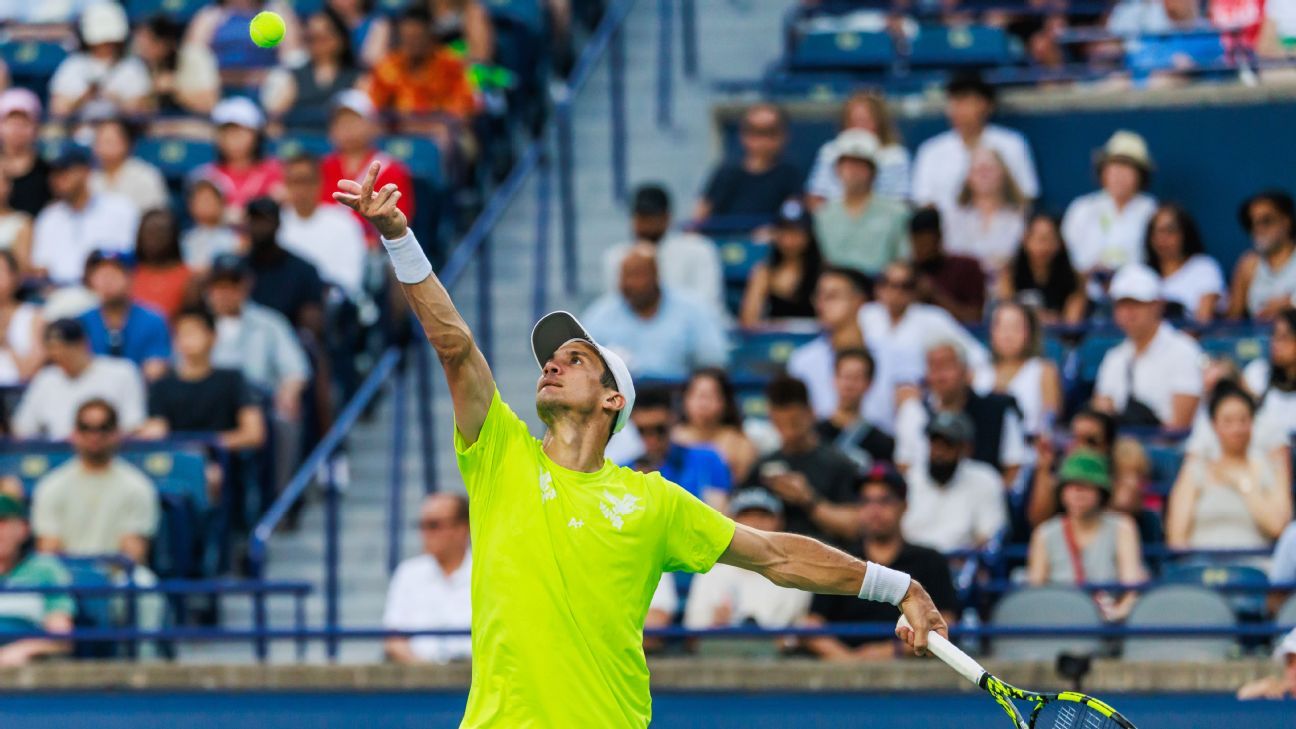
In the fading light of New York’s outer courts, where the hard surfaces demand unyielding precision, Facundo Bagnis battled through the early haze of US Open qualifying last August. The 35-year-old Argentine, whose game thrives on extending points with deep crosscourt groundstrokes, absorbed punishing returns and fired back inside-out forehands that skimmed the lines. Yet a first-round defeat marked his sixth consecutive loss at this Grand Slam stage, each match layering fatigue onto a season already thick with close calls on clay and cement alike.
Qualifying loss uncovers deeper pressures
Bagnis arrived in Queens chasing rhythm after Challenger triumphs, but the DecoTurf’s quicker bounce exposed gaps in his defensive setup. He relied on underspin slices to disrupt opponents’ rhythm, setting up one–two combinations that pushed rallies deep, only to falter against down-the-line counters that pierced his positioning. The air buzzed with muffled cheers from the main draw, amplifying the isolation of those peripheral battles as he grappled with a points drought echoing back to his 2016 peak at No. 55.
The International Tennis Integrity Agency disclosed this week that a test from the event detected a substance in the diuretics and masking agents category. Notified earlier this month, he chose to initiate a voluntary provisional suspension last week, a decision that injects uncertainty into his tour rhythm. Should a full ban result, this interlude will tally as served time, providing a measured pause amid the sport’s relentless cadence.
Suspension reshapes tactical horizons
Throughout 2025, Bagnis has navigated the journeyman’s grind, blending family anchors in Buenos Aires with the pull of global swings from Rio to Beijing. His baseline endurance, honed by probing crosscourt loops and occasional net rushes, flashed promise against top-100 rivals, yet early exits in South American clay events chipped at his confidence. This doping cloud arrives as he pondered shifts, like varying serve depths with more underspin to counter faster surfaces and reclaim momentum.
The provisional ban freezes those evolutions, compelling reflection on a career arc defined by perseverance—from junior sparks to veteran resolve. Indoor hard courts loomed next on the calendar, testing his adaptability with sharper 1–2 patterns against flat hitters, but now silence replaces the thud of balls on court. As autumn leaves turn in Europe, the tennis circuit pulses on without him, heightening the internal push to emerge sharper, should clearance come.
Path forward tests enduring spirit
Bagnis’s choice to suspend voluntarily underscores a commitment to protocol, buying space to address the findings while the ITIA proceeds. Supporters remember his 2016 surge, when aggressive inside-in approaches drew fervent crowds and fueled deep runs, a contrast to today’s quieter resolve. This limbo, more taxing than any qualifying duel, invites a recalibration of his core—those tactical resets via slice and topspin that wear down foes over marathons.
With rankings precarious and the off-season approaching, the veteran faces not just administrative hurdles but the broader quest for renewal in a sport that rewards reinvention. The coming months could pivot his trajectory, from potential closure to a defiant return, as he weighs experience against the unyielding demand for precision on every surface.