Medvedev Stranded After Dubai Crown in War’s Shadow

Fresh from hoisting the Dubai trophy, Daniil Medvedev now waits out flight chaos in the UAE, his mental edge tested as Indian Wells looms just days away.
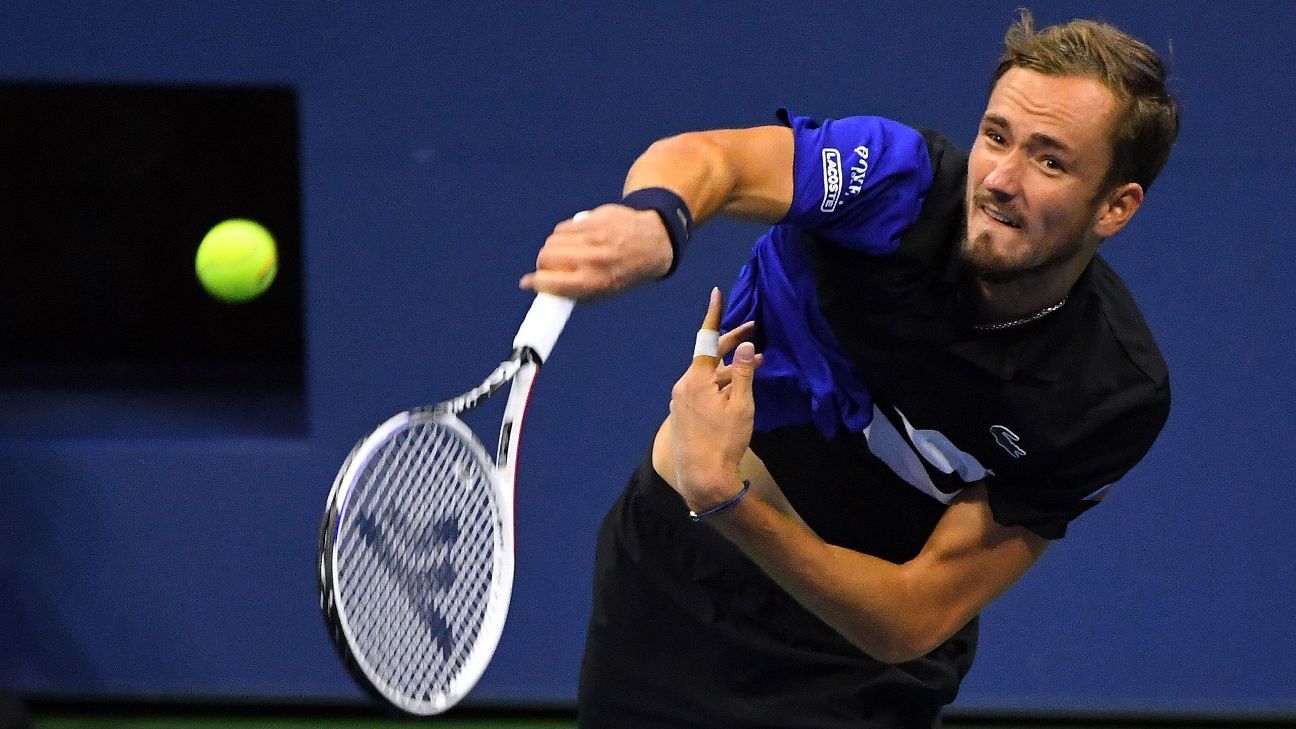
In Dubai’s sun-scorched arenas, where baseline duels stretched into grueling exchanges, Daniil Medvedev sealed an ATP 500 triumph last week with unerring inside-out forehands and a relentless 1–2 pattern that left opponents scrambling. The former U.S. Open champion’s victory felt like a pivot point in his season, blending heavy topspin loops with sharp down-the-line redirects to reclaim momentum on hard courts. But as celebrations faded, the Middle East war triggered widespread flight shutdowns, stranding him and a handful of players in the UAE.
Medvedev reposted a report from a Russian tennis outlet on Instagram Monday, confirming he’s safe and settled at a friend’s apartment amid the cancellations. This limbo disrupts the post-tournament rhythm—those quiet hours dissecting crosscourt angles and prepping for the next slab’s nuances. With the BNP Paribas Open in Indian Wells firing up Wednesday, the delay sharpens focus on what lies ahead: California’s desert winds and faster bounces that reward precise slice approaches.
“The health, safety and wellbeing of our players, staff and tournament personnel is our priority. We can confirm that a small number of players and team members remain in Dubai following the conclusion of the recent ATP 500 event,” the ATP Tour said in a statement Monday.
“They and their teams are being accommodated in the tournament’s official hotels, where their immediate needs are being fully supported.” The tour maintains direct lines to those affected, coordinating with organizers and security advisors as travel options hinge on airline updates and official directives.
Navigating isolation’s quiet strain
Isolation in Dubai’s hotels provides shelter, but the real challenge simmers in the mind, where Medvedev’s cerebral style—exploiting short balls with inside-in winners—meets an unseen foe. This pause echoes past disruptions, forcing a mental recalibration after months of tactical builds from Australian hard-court sprints to upcoming clay shifts. Team huddles turn to contingency drills, mapping how to preserve his edge without live rallies, all while the war’s echoes remind of tennis’s fragile global threads.
Beyond the courts, the shutdown ripples wide: England’s and Pakistan’s developmental cricket teams, grounded after their UAE match canceled Sunday, share the wait. Youth basketballers rerouted from a scrapped EuroLeague event, and soccer’s Asian Champions League games join Qatar’s league on indefinite hold. Formula 1’s governing body pledges focus on safety for regional races, underscoring the broad athletic scramble.
Shifting tactics toward Indian Wells
Indian Wells’ hard courts demand adjustments from Dubai’s medium pace—quicker redirects down-the-line and varied underspin to counter aggressive returns. Medvedev, eyeing deep runs to bolster his top-five push, must weave this delay into preparation, transforming uncertainty into fuel for net rushes and extended baseline wars. The ATP’s support ensures essentials while plotting safe exits, aligning departures with evolving conditions.
For him, the horizon sharpens: unleashing that one–two serve-forehand combo against power-laden draws under California’s glare. This trial, born of geopolitical winds, tests the resilience forged in five-set marathons, positioning Medvedev to arrive not just intact, but honed—ready to slice through the field with renewed precision as the season’s arc bends onward.