Anisimova Seals Beijing Triumph with Resilient Edge

Amid the swift indoor hardcourts of Beijing, Amanda Anisimova turned a volatile final against Linda Noskova into a defining victory, her tactical poise securing a second WTA 1000 title amid rising stakes.
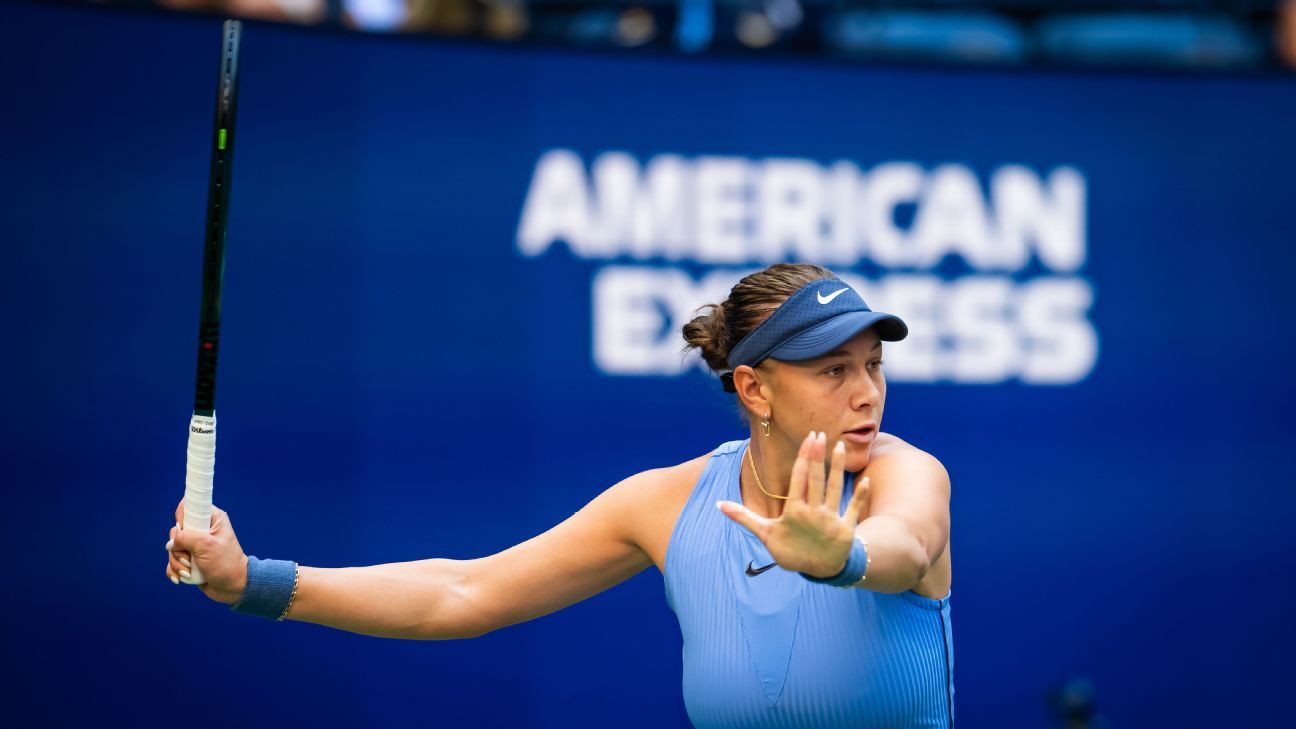
In the charged atmosphere of Beijing’s indoor arena, Amanda Anisimova unleashed a backhand winner down the line to claim the China Open, collapsing onto the court in a surge of relief and joy. The third seed’s 6-0, 2-6, 6-2 defeat of Linda Noskova in the final lasted 1 hour and 46 minutes, capping a run that included ending fellow American Coco Gauff‘s title defense in the semifinals. This hard-court indoor triumph marked her second WTA 1000 title of the season, solidifying her ascent to No. 4 in the rankings after runner-up finishes at Wimbledon and the US Open.
Navigating season’s psychological toll
Anisimova arrived in Beijing carrying the weight of a grueling year, her game sharpened by inside-out forehands that thrived on faster surfaces yet tested by the mental strain of near-misses in majors. The American’s preparation blended tactical drills with recovery focus, helping her reclaim rhythm after the emotional semifinal upset of Gauff. Noskova, the 20-year-old Czech who saved three match points in her own semifinal to become the youngest from her nation to reach this stage at a WTA 1000 since 2009, posed a fresh threat with her baseline power.
The first set unfolded with Anisimova dictating tempo, her 1–2 punches—wide serves followed by crosscourt replies—pinning the Czech deep and forcing unforced errors on the low-bouncing surface. Crowd energy built as the American exploited the indoor conditions, mixing heavy topspin with occasional underspin to disrupt Noskova‘s footing. This early dominance highlighted Anisimova’s evolution, turning potential pressure into controlled aggression.
Weathering Noskova’s mid-match surge
Noskova fought back fiercely in the second set, her flat groundstrokes finding lines with down-the-line backhands that stretched Anisimova side to side, leveling the score at 2-6 through sheer athleticism. The Czech’s mix of underspin approaches and inside-in forehands slowed the pace, forcing the American into longer rallies where resolve was tested. Anisimova absorbed the shift, stepping inside the baseline to shorten points and neutralize the power game that had carried her opponent through the semifinals.
As tension thickened in the decider, Noskova’s movement faltered on the slick hardcourt, her energy waning after the prolonged battle. Anisimova capitalized with varied depths, using crosscourt angles to extend points and wear down the younger player’s stamina. The indoor air hummed with anticipation, the American’s cleaner striking proving decisive in reclaiming control.
Forging upward momentum ahead
With the trophy raised, Anisimova’s Beijing win shed the season’s accumulated fatigue, her adaptability on these true-bouncing courts affirming growth against the tour’s elite. Noskova’s gracious run signals her as an emerging force on speedier surfaces, but the champion’s experience edged out youth in the clutch. This victory positions the 23-year-old for indoor season momentum, her tactical depth ready to challenge rankings contenders as the year closes.