Alcaraz Claims Bonus Pool Summit in Tense Finish

The roar of crowds in Vienna and Basel echoed the high-wire tension of the ATP 500 Bonus Pool’s endgame, where Carlos Alcaraz’s early dominance left $3 million up for grabs among five relentless challengers pushing their limits on indoor hard courts.
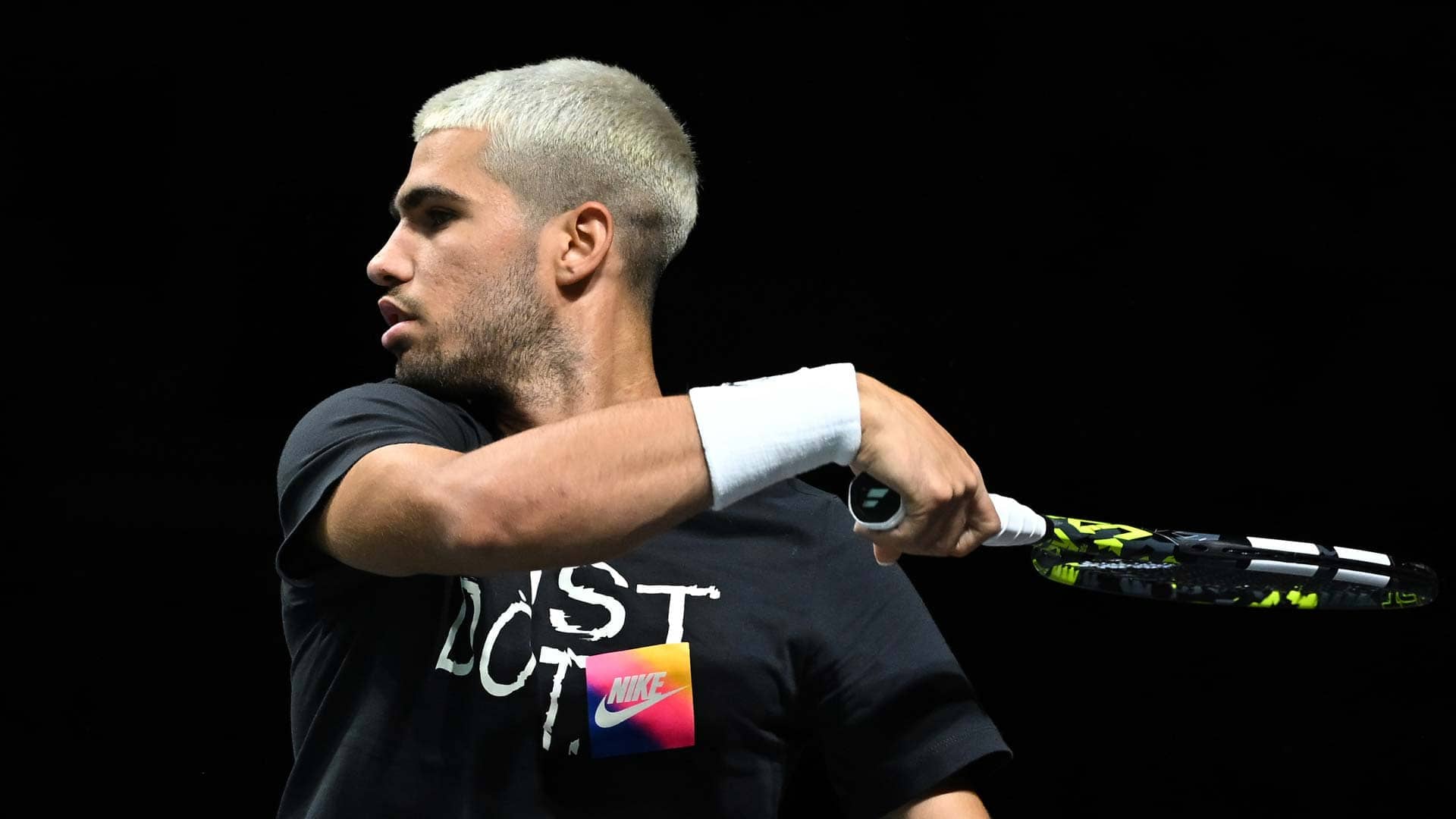
A gripping final week in Vienna and Basel etched the 2025 ATP 500 Bonus Pool into memory, as six players divided $3 million based on points racked up across the category. The prize more than doubled from last year’s $1.34 million shared by five, injecting fresh urgency into every rally and rotation. Carlos Alcaraz sealed first place and at least $1 million back in September with his Tokyo title, amassing 1,930 PIF ATP Rankings points through triumphs in Rotterdam and Queen’s Club that showcased his blend of power and precision on hard courts and grass.
Alcaraz forges early dominance
From Rotterdam’s indoor confines, Alcaraz unleashed inside-out forehands that exploited tight angles, pinning returners and dictating tempo with a serve that grew sharper each match. His Queen’s Club grass run added layers, where slice backhands disrupted opponents’ footing, setting up down-the-line strikes amid the slippery bounces. That September surge in Tokyo not only locked his lead but freed him mentally, allowing practice sessions to refine one–two combinations without the shadow of must-win stakes, his energy on court radiating the confidence of a player ahead of the chase.
The Spaniard’s versatility across surfaces turned potential pressure into playgrounds, his explosive baseline game dismantling defenses while rivals grappled with inconsistency. Observers watched how this psychological edge let him peak without burnout, a stark contrast to the pack’s grinding pursuit below.
Rivals intensify the chase
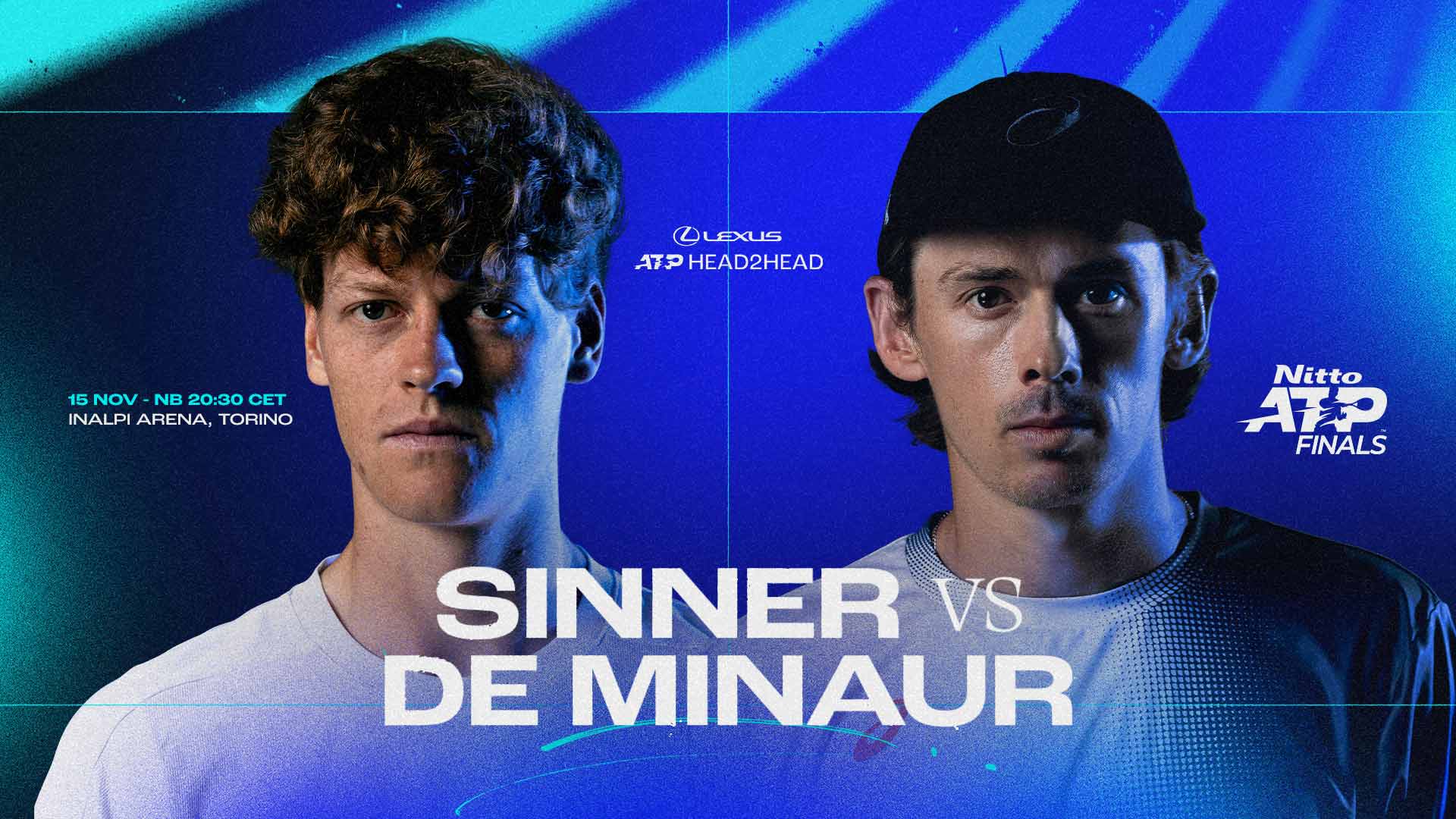
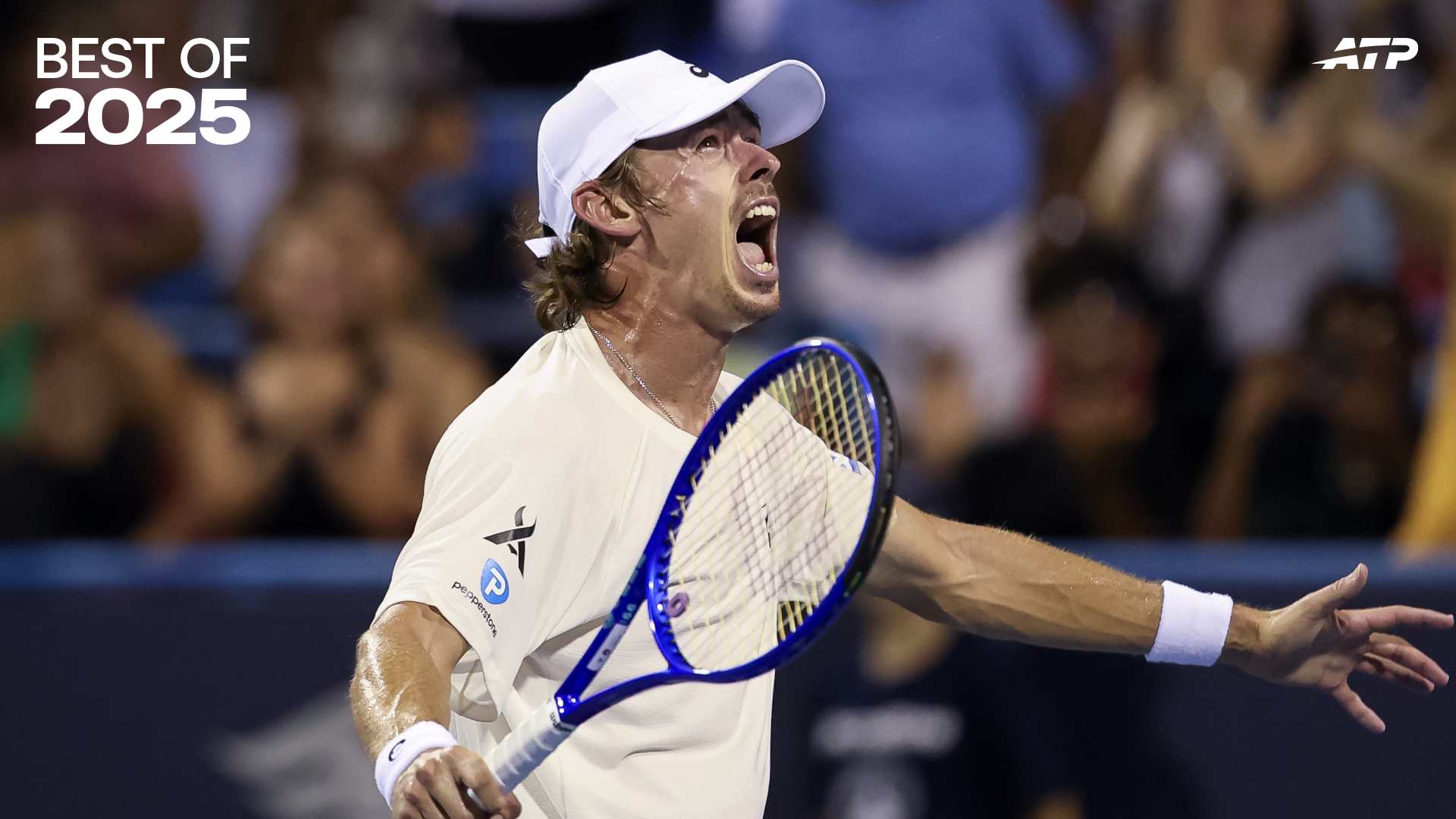
The battle for spots two through six simmered through the season, culminating in deep advances that tested endurance and adaptability. Alex de Minaur reached Vienna’s semifinals, his court coverage turning aggressive serves into prolonged crosscourt exchanges that forced errors under the arena lights. Alexander Zverev pushed to the final there, relying on towering serves and inside-in forehands to control points, though subtle lapses in tiebreaks betrayed the mounting strain of the hunt.
Alejandro Davidovich Fokina stormed to Basel’s final, his spin-laden lobs and underspin passes vaulting him past Andrey Rublev, whose Doha title and Hamburg runner-up on clay had built a solid but vulnerable buffer. Jannik Sinner‘s Vienna championship, paired with his Beijing win, delivered 1,000 of his 1,050 points— the rest from a quick Halle exit—his flat groundstrokes thriving on indoor speed to open angles with crosscourt backhands. Rublev’s earlier outdoor hard success fueled resilience, his heavy topspin holding firm despite quieter last-week results.
Indoor drama reshapes standings
Both De Minaur and Zverev fell to Sinner in Vienna, where the Italian’s precise 1–2 patterns and serve-volley touches turned pressure into poise, the crowd’s buzz amplifying each hold. Davidovich Fokina’s Basel push ended against Joao Fonseca, the Brazilian’s explosive down-the-line passes and drop-shot feints clinching his first ATP 500 title amid roaring support, denying the Spaniard a higher share. These quick-surface clashes, with balls compressing off the lines, rewarded tactical shifts like deeper returns and net approaches, finalizing the top six while hinting at offseason tweaks for the surfaces ahead in Paris and beyond.
The emotional toll of these wire-to-wire efforts lingered in post-match reflections, as players eyed how such mental marathons would sharpen their edges for 2026, the bonus pool’s growth ensuring even greater stakes in the relentless tour calendar.