Alex Eala’s ascent redefines Philippine tennis

Carrying a nation’s dreams on her racket strings, 20-year-old Alex Eala stormed through 2025 with upsets that echoed across courts, climbing into the WTA top 50 and etching her name into history.
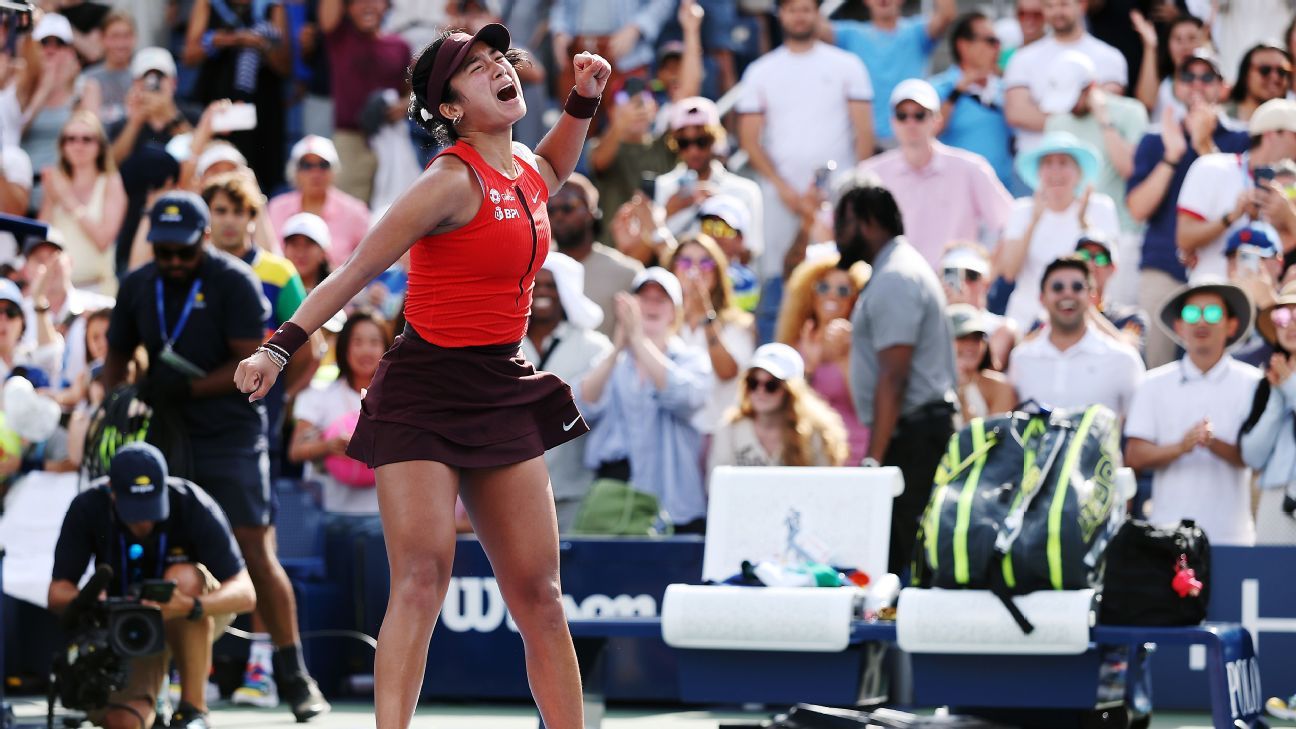
Alex Eala stepped into 2025 as the bright spark of Philippine tennis, a 20-year-old prodigy whose early promise had fueled endless speculation about a long-awaited global breakthrough. Ranked 130th on the WTA tour at the year’s start, she vaulted 80 spots to become the first Filipina in the top 50, her 40-26 record a testament to sharpened skills and unyielding mental edge. Matches that once slipped away now bent to her will, as she absorbed pressure from roaring crowds and turned it into precise inside-out forehands that carved through defenses.
Miami ignites her breakout run
Wild card entry at the 2025 Miami Open plunged Eala into a pressure cooker of elite competition, where the sticky Florida heat tested every drop of sweat and resolve. She wasted no time, dismantling world No. 43 Katie Volynets in straight sets during the round of 128, her deep returns forcing errors in extended crosscourt exchanges. The surprises kept coming as she toppled former French Open champion Jelena Ostapenko, then stunned 2025 Australian Open winner Madison Keys, achieving the unprecedented feat for a Filipino by defeating a top-10 player and Grand Slam titlist at a WTA event.
A walkover against 10th seed Paula Badosa eased her into the round of 16, but the quarterfinal against world No. 2 Iga Świątek demanded tactical brilliance. Eala disrupted the Pole’s rhythm with aggressive one–two combinations—serve followed by a slicing backhand that skimmed the line—neutralizing power with patient point construction. The upset propelled her to the WTA 1000 semifinals as the first Filipina to reach that stage and beat a top-five opponent, though fourth seed Jessica Pegula halted the dream in a three-set duel filled with baseline grinds and net rushes. Hard courts had long favored her style, boasting a 67% career winning percentage, and this run amplified the buzz, transforming her from underdog to undeniable contender.
View this post on Instagram
A post shared by ESPN Philippines (@espnph)
Grand Slams forge her resilience
Direct entries into major main draws brought the sport’s grandest arenas, where Eala faced surfaces that probed her adaptability under the glare of international eyes. At the French Open, a three-set loss to Emiliana Arango—0-6, 6-2, 3-6—started disastrously with erratic serves on clay’s unforgiving bounce, but she clawed back in the second set using underspin to shorten rallies and regain footing. Those glimpses of grit amid the red dust hinted at her evolving capacity to reset after setbacks, even as fatigue claimed the decider.
Wimbledon’s grass courts amplified the challenge, pitting her against defending champion Barbora Krejčíková on Centre Court, where low skids and quick transitions demanded flawless timing. Eala mixed slice approaches with inside-in forehands to unsettle the Czech’s all-court game, holding through deuce-side battles that echoed with crowd murmurs, yet the three-set defeat exposed her need for sharper net instincts on the slick surface. The atmosphere—fading English light and polite applause—intensified the mental push, building on her hard-court poise for future green campaigns.
Redemption arrived at the US Open, where Eala upset 14th seed Clara Tauson in a three-set thriller, rallying from a final-set deficit with deep returns that jammed the Dane’s serve and down-the-line backhands that split the court. Arthur Ashe Stadium pulsed with energy as her fist pump sealed the first Grand Slam win for a Filipina, shifting the narrative from distant hope to immediate impact. This triumph wove her Miami aggression with newfound patience, proving she could thrive in majors’ unforgiving tempo.
Clay demands her next evolution
While hard courts and grass yielded breakthroughs, clay emerged as Eala’s proving ground, a slower canvas that stretched her endurance and invited prolonged psychological duels. Her second-round exit at the Oeiras Ladies Open in Portugal to Panna Udvardy in straight sets underscored movement hurdles, as the red dirt dulled her flat shots and forced defensive lobs in rallies that tested her balance. She reflected afterward on the surface’s unique slide, signaling a commitment to refine her game for its demands.
Heading into 2026, success on clay hinges on tailored footwork—staying low for clean slides to chase wide balls and pivoting smoothly for inside-out angles that open the court. Adjusting her serve with more kick to exploit the grip, alongside forward returns to steal time in crosscourt grinds, will turn defensive points into offensive edges. Eala’s season-long composure, honed in Miami’s heat and New York’s nights, positions her to conquer this frontier, where mastering the wait could unlock deeper runs and elevate Philippine tennis to new heights. If she channels that momentum onto red courts, her barrier-breaking path extends far beyond 2025, promising contention among the sport’s elite.